
Doclegal.AI blog for business professionals. Your go to resource for legal updates, AI news and contract insights.
Best Value legal tools for 2026

Best Value legal tools for 2026
Just like any other industries, the usage of AI in law firms had been rapidly increasing: now 71% use AI regularly, up from 37% in 2024. These tools save 8-10 hours weekly per lawyer on routine tasks, freeing them to focus on high-value strategy and client work.
However, despite the convenience it brings, it is crucial to choose the right tool for your legal AI research. A wrong choice may results in accuracy issues and data breaches - for example, in the 2025 Mata v Aviance case, the court ruled that generic AI had fabricated case citations, resulting in malpractice risks. This guide evaluates the top 6 tools for 2026, starting with standout value options for practical legal workflows.
The top 7 legal AI tools for 2026:
1. DocLegal.Ai
DocLegal.AI is capable of generating customized legal documents based on a prompt or scenario with its AI powered document generation function. Designed and trained by legal professionals, DocLegal.AI’s capability of editing, reviewing and summarizing legal documents meets high standards required for the legal industry. Its customizable legal templates provide instant versatility, helping users to effectively eliminate hours of manual drafting and reviewing while maintaining consistency across all outputs.
DocLegal.AI also highlights legal risks and provides clause suggestions for legal documents. This is important in mitigating risks in law firm’s daily operations and provides an edge during the negotiation process. After Mata v Aviance, it is recommended that you choose a tool that eliminates risks.
Pricing: DocLegal.AI stands out as the market's most affordable high-quality legal AI platform for 2026. Starting from $10 per month, DocLegal.AI is an affordable platform for solo practitioners, SMEs, and even larger teams handling variable workloads.
Limited-Time Exclusive Offer: For a short time, secure an even deeper discount on DocLegal.AI via DealFuel. Click here to access the offer.
2. Doculex.ai
DocuLex.ai is a cloud-based litigation document management and drafting platform designed specifically for litigators. It combines case file organization with AI-powered document generation, so the AI drafts from your actual case data rather than generating content from scratch.
DocuLex.ai stores evidence, medical records, pleadings, and other case materials in a structured, searchable database. The platform processes documents page by page and medical records visit by visit, then stores them as vector embeddings for fast retrieval. When you generate a document, the AI pulls from verified case data to produce drafts.

Pricing: $99 per attorney seat per month, which includes unlimited matters, 250 GB storage, and one free staff seat. Additional staff seats cost $29 per month (maximum two per attorney). AI processing uses token-based pricing: $3.75 per million input tokens, $15.00 per million output tokens, and $0.05 per million tokens for document embeddings.
3. Harvey AI
Harvey AI is a tool aimed at providing services to larger legal professionals and firms which tackles intricate regulatory and tax matters. Instead of a fixed pricing, Harvey offers a custom pricing, which reflects deep customization for contract review, drafting, and analysis.
For environments with advanced collaborations, Harvey AI is a useful tool in enhancing work efficiency. Its drafting and analysis abilities in contract making and forming answers to legal questions helps individuals to make in-depth data analysis of contracts, identify legal issues and provide key insights.
Pricing: Harvey’s pricing has not been shared publicly on the website. You may contact their Sales team for more details.
4. Spellbook
Spellbook’s core function is its contract drafting and review ability. Its strength lies in sophisticated document analysis for mid-to-large practices. Upon uploading the drafts of the contract, users will receive newly drafted clauses generated by Spellbook. The tool integrates seamlessly into everyday workflows, allowing attorneys to receive contextual suggestions as they type without switching applications or disrupting their creative process. The function of detecting unusual terms, listing missing clauses and suggesting negotiations helps users to shorten the process of manual review of every legal document.
Pricing: Spellbook offers a 7-day free trial. Spellbook’s pricing has not been shared publicly on their website. You may reach out directly on their website.
5. CoCounsel

CoCounsel appeals to legal tax and accounting professionals through its $279 monthly starting price. The platform's strength lies in its seamless integration of Thomson Reuters' trusted legal database with conversational AI, enabling tax lawyers to quickly extract key provisions from complex agreements, generate compliance checklists, or research jurisdictional nuances across cases and regulations. Its strong database of cases allows streamlining workflows that traditionally consume hours of manual verification.
Pricing: CoCounsel offers a free trial. CoCounsel’s pricing has not been shared publicly on the website. You may contact their Sales team for more details. The platform's moderate SME pricing makes it viable for growing firms, though it requires tech support that may slow initial rollout compared to more self-service options.
6. Superlegal

Superlegal caters to small to large businesses with AI contract drafting starting at $799 per month, emphasizing four free templates as an entry point. This focus on practical collaboration tools, such as unlimited users, integrations, user permissions, approval flows, and personalized reviewer names in higher tiers. Superlegal serves commercial users well, from startups managing vendor agreements to enterprises handling supplier contracts and NDAs at scale. Businesses appreciate Superlegal's Organize Pro and negotiation support in the Premium plan, which streamline review workflows and enable faster deal closures without sacrificing oversight. The platform's structure suits teams prioritizing end-to-end contract lifecycle management, where AI accelerates drafting and review while human approval maintains control.
Pricing: Superlegal charges different prices for different amount of credits. You may refer to their website for more details.
7. Robin AI

Robin AI addresses legal professionals needing custom-priced AI contract review, positioning itself for targeted document management. Its core functions are AI Contract Review, AI Query AI Reports and customizable templates. The platform's tech support demands align it with firms prioritizing specialized analysis over general accessibility.
Pricing: Robin AI’s pricing has not been shared publicly on their website. You may reach out directly on their website.
Choosing the Right Tool for Your 2026 Practice
Success hinges on matching capabilities to your workflow realities. DocLegal.AI dominates for most firms due to its $10 entry point, extensive 2,800+ templates, 15 free documents, and full SME compatibility. Together, they remove the usual budget and high costs that comes with many legal tech platforms. For smaller firms, this means partners can pilot AI on live matters and standardize frequently used documents, instead of locking into costly long term contracts.
Because DocLegal.AI does not require legal AI expertise or heavy technical support to get started, it fits seamlessly into busy teams that cannot spare staff for lengthy implementation projects. Users benefit from instant access, predictable low pricing, and industry-agnostic templates that cover common needs actress real estate, e-commerce, tech and professional services.
Latest articles
.jpg)
How to Protect Minority Shareholder Rights (with Examples)?
Discover proven strategies to protect minority shareholder rights via shareholders agreements, veto rights, class shares & legal remedies like unfair prejudice petitions. Expert guide with real examples for private companies

How to Protect Minority Shareholder Rights (with Examples)?
Traditional company law requires that the company to act in the interest of its shareholders and benefit the company as a whole. The interest of shareholders would mean all shareholders, including minority shareholders. In reality, however, the majority shareholder usually controls the board of directors and thus dictates the actions of the company.
The day-to-day operations of the business are left to the directors and managers of the company with little direct input from the minority shareholders, which also leaves them little grounds to complain. Should any loss be suffered by the company, it was more for the company to take action against the directors for any wrongdoings and not an individual shareholder.
One of the most common questions in company law is how do I protect minority shareholder interests?
This guide provides an overview of minority shareholders' under Common Law and addresses the possible legal protections and remedies available to a minority shareholder if things go wrong with the company. It is not intended to provide a detailed analysis of the law but gives general guidance on the important matters to take into account with examples of shareholders' agreements and articles of association.
What is a Minority Shareholder?
A minority shareholder refers to a shareholder who owns less than 50% of a company’s total shares. A minority shareholder generally does not have voting control of the company and cannot single-handedly elect directors to the board of the company. However, in some companies, there are no majority shareholders. The controlling shareholder may own less than 50% of the voting rights but would generally not be considered a minority shareholder.
What are the Rights of a Shareholder in a Private Limited Company
Shareholders in a private limited company are entitled to particular rights by statute.
The rights of a shareholder in a private limited company, in general, include the following:
- Right to remove directors
- Right to receive dividends if recommended by directors and approved by the shareholders
- Right to attend a shareholder's meeting (also known as a 'general meeting') Right to appoint auditors
- Right to amend the constitution (memorandum and articles of association) of the company
- Right to receive a distribution in liquidation once any creditors have been repaid
Shareholders can vary these rights, and impose conditions on the exercise of these rights, by amending the articles of the association. Amending the articles requires a special resolution, requiring that 75% of votes cast by shareholders are in its favour.
Shareholders can also agree to exercise these rights in a particular way, by entering into a shareholders' agreement with one another.
What are "Minority Shareholder Rights" or "Minority Interests"?
Minority shareholder rights/minority interests refer to the rights that minority shareholders have as a result of their shareholdings. These rights include participation in sales and certain audit rights. These rights are limited as the shares that the shareholders hold are limited. As such, these interests are also called non-controlling interests.
As minority shareholder rights under the company's articles of association are usually rather limited, the shareholders may also enter into a Shareholders Agreement, which is the best form of legal protection for a minority shareholder. It allows a minority shareholder to incorporate express contractual provisions above and beyond those afforded by statute and corporate law.
What is Minority Shareholder Oppression
A company is a collective organisation, and like any collective organisation, it makes decisions through its members and relies on majority rule. Any decision that the majority shareholder(s) make will be seen as reflecting the will of the company and binding on the minority.
While this is very efficient and democratic, such a tendency will give rise to the temptation of abuse by the majority. This may be prejudicial to minority members as it is possible for the majority shareholder to abuse their powers to the detriment of the minority members.
For instance, the majority shareholders may appoint majority directors to direct the company to enter into business deals that will benefit the majority shareholder but not the company. This, in turn, will cause minority members to suffer losses as they are unable to stop the deal from going forward with their limited voting rights and control over the company.
Therefore, it is crucial that minority shareholders of the company have safeguards to protect their rights.
How to Protect Minority Interest in a Company?
Unlike majority shareholders who can exercise their rights by voting in general meetings, minority shareholders may not have sufficient votes to make a difference. Instead, minority shareholders can rely on different kinds of contractual or legal remedies to address wrongdoing by the company’s controllers.
1. Contractual Protections under the Shareholders Agreement
The Shareholders Agreement is the best form of legal protection for a minority shareholder. By incorporating certain express contractual provisions in the Shareholders Agreement, the minority shareholder can be protected by contractual rights beyond those afforded by statute and corporate law.
A well-drafted Shareholders Agreement should allow the minority shareholder to:
- participate in management through board representation
- be involved in any major decisions (including a right of veto if possible)
- be protected against its share from being improperly diluted
- a fair and proper distribution of profits
- access to information about the Company's affairs by obtaining a right of inspection
- protect itself and the Company against dilution by the majority shareholder
- exit the joint venture through tag-along and drag-along rights.
If the holding company is a shell company, one may also seek to have a parental guarantee by the ultimate parent of each party to the Shareholders' agreement.
2. Protecting the Interest of the Company as a Whole
Minority shareholders' interests tend to be more aligned with the interest of the Company. To protect the Company and in turn themselves from the abuse of power by any majority shareholder, the minority shareholders need to ensure that the Company’s right of claim is not blocked by the majority’s voting rights.
Some common solutions are:
- Set up a committee in the Company that excludes any appointees of the majority shareholder who will be responsible for such claims
- Ensure that the majority shareholders and their appointed directors will not be allowed to vote on or interfere with any such claim
It is also important to ensure the smooth running of the Company – to make sure that there is no funny business going on because of the majority shareholders and their directors, e.g.:
- Ensuring that the Company maintains proper insurance, preparing and maintaining proper record-keeping and bookkeeping
- Ensuring that businesses are conducted in accordance with all applicable laws;
- All affiliated companies and key employees should enter into appropriate non-competition covenants, confidentiality agreements and employment contract
3. Conferring Rights on Different Classes of Shares
Class rights refer to rights that are given to a particular class of shares. They include rights conferred on a shareholder under the company’s articles even though they are not attached to a particular class of shares in the context of joint ventures. Company law allows certain protections for the members of a class against any change in such rights.
For example, certain reserved items in the Articles of Association may require the approval of all classes of shares. Minority shareholders can thus ensure that they are given certain class rights under company law for further protection.
4. Weighted Voting Rights
Another way for minority shareholders to protect their position is by having "weighted voting rights" on particular matters, where the minority’s vote will hold more weight than what their percentage of shares actually weighs. This will ensure that a minority shareholder's appointee as the director cannot be removed by the majority shareholders.
5. Veto Rights
A minority shareholder may wish to have a right of veto over certain major decisions by the Company, such as:
- changes in the Company's articles of association;
- changes in the share capital of the Company (including the grant by the Company of any share options or convertible securities);
- any significant change in the nature of the Company's business;
- the Company incurring capital expenditure or contract commitments in excess of pre-agreed financial limits or not specifically contemplated by an agreed budget;
- any borrowing by the Company which would cause a pre-agreed borrowing limit to be exceeded;
- major business acquisitions or disposals by the Company;
- dividend distribution below an agreed minimum level;
- appointment and dismissal of executive directors or other key personnel and directors (including approval of long-term service contracts or material variations to their remuneration or benefits);
- material dealings by the Company with its intellectual property;
- dealings between the Company and any of its shareholders (except, perhaps, arm's length dealings in the ordinary course of business);
- voluntary winding-up.
It is necessary to incorporate these rights into the constitution of the Company (articles of association or by-laws) and decide whether these matters should be entrenched at the board or shareholder level. Should the unanimous approval or super-majority vote be required of the directors or of the shareholders of the Company? It may be appropriate that decisions on these major matters should be reserved for the parties at the shareholder level with more operational matters being left to the board level. In smaller ventures, decisions at the board level will often amount to the same thing and be sufficient. It may not be appropriate for each minority shareholder to have a separate right of veto. In joint ventures where there are a number of joint venture parties, for certain matters to require the approval of a "super majority" of the shareholders (normally 75% to 90% rather than unanimity).
6. Articles of Association/By-laws
As mentioned above, the Articles of Association could include certain reserved items that would require the approval of the supermajority of shareholders (two-thirds or 75% depending on the situation). Or certain matters that would give the minority shareholder a right to veto.
The supermajority vote or right of veto is generally over certain major decisions by the Company, such as:
- changes in the Company's articles of association;
- changes in the share capital of the Company (including the grant by the Company of any share options or convertible securities);
- any significant change in the nature of the Company's business;
- the Company incurring capital expenditure or contract commitments in excess of pre-agreed financial limits or not specifically contemplated by an agreed budget;
- any borrowing by the Company which would cause a pre-agreed borrowing limit to be exceeded;
- major business acquisitions or disposals by the Company;
- dividend distribution below an agreed minimum level;
- appointment and dismissal of executive directors or other key personnel and directors (including approval of long-term service contracts or material variations to their remuneration or benefits);
- material dealings by the Company with its intellectual property;
- dealings between the Company and any of its shareholders (except, perhaps, arm's length dealings in the ordinary course of business);
- voluntary winding-up.
Other usual protections for minority shareholders as stipulated in the Articles of Association include:
- how many board seats each shareholder would get;
- there would be no forum in any directors' meeting without attendance by representatives of each of the shareholders; and
- directors should abstain from voting should any conflicts of interest arise.
7. Right to Distributions
The board of directors of the Company will declare dividends and the amount of each dividend distribution. A minority shareholder may wish to ensure that an agreed distribution policy is established at the outset - and, in some ventures, to ensure that profits cannot be diverted in a discriminatory manner to the majority shareholder.
8. Right of Inspection
A minority shareholder's rights to information regarding the Company's affairs are limited under Common law. Apart from the right to receive the annual audited accounts, a shareholder has no statutory right to inspect the accounting records of the company nor, as a shareholder, a right to inspect the minutes of board meetings. A minority shareholder should consider seeking the rights to inspect and audit the accounting and corporate secretarial records of the company.
What are the Remedies/Protections under the Law
While contractual protections are important and effective in protecting minority shareholders, minority shareholders may also want to look to the legal system and corporate law for statutory protection. In many common law countries, there are limited protections offered to minority shareholders under corporate law.
1. Derivative Action
The case of Foss v Harbottle (1843) established that when the company suffers a wrong, the proper plaintiff is the Company itself instead of the individual shareholders of the company.
However, there are situations where the company will be unable to bring action as it is those in control (the majority shareholders) that perpetrated the wrongdoing against the company in the first place. In such situations, minority shareholders can seek remedy by bringing a derivative action.
Fraud on the Minority: the majority shareholders using their position of control to confer benefits on the directors or the majority shareholders at the expense of the minority shareholders is also known as "fraud on the minority". Whether there needs to be actual fraud is not clear-cut. In some cases, it would cover negligence on the party of the majority which the majority sees to benefit from such negligence.
The situations where a minority shareholder can bring a derivative action to court include:
(a) preventing a company from acting illegally or
(b) when those in control of the company are abusing their power to derive a benefit or
(c) invading private rights etc.
2. Unfair Prejudice Petition
In many common law jurisdictions, the main statutory remedy that company law allows minority shareholders is an unfair prejudice petition. This remedy allows the court-wide discretion to grant relief if any member of the Company can show that their company’s affairs are unfair and prejudicial towards them.
If the court is satisfied that a petition is well-founded, it may make an order that it thinks is fit depending on the situation. These fact-specific orders can include:
- requiring the company to refrain from or continue to do a particular act;
- authorising civil proceedings to be brought in the name of and on behalf of the Company;
- regulating the conduct of the Company's affairs in the future; and
- providing for the purchase of the shares of any member(s) of the Company by other member(s) or by the Company itself.
In most cases, the petition aims to get one party to purchase the shares of another party where the court is specifically empowered to make such an order in a private company. One reason for bringing such an application is to force a sale at a better price than would otherwise be obtained - although the court will pay close attention to any terms agreed in the Articles of Association.
3. Just and Equitable Winding-up
The other main remedy of a minority shareholder under Common law is to seek a winding-up. Company law generally gives the court the power to order that a company is wound up when the court finds it justifiable that the company should be wound up.
Before making its decision, the court will look at all the facts and circumstances closely to decide whether or not the petitioner had a legitimate expectation that he would participate in the management of the company.
This expectation does not have to be written in constitutional documents.
However, if there had been efforts between parties to set out the details of their working relationship, the court will not accept that the petitioner had any other expectation given that s/he had ample opportunity to talk it out with his/her working partners.
The court will also not extend a helping hand to the petitioner if there are any detailed Articles of Association or Shareholders Agreement that are agreed between the parties regarding the management of the company. This again points to the importance of a well-written Shareholders Agreement to ensure there is no miscommunication and misinformation within the business partners.
The court also has the discretion not to make an order when the petitioner is acting unreasonably. For example, where the petitioner has been offered the chance to sell his or her shares at a fair value. So make sure that there is good and reasonable ground before you make the petition to avoid unnecessary legal costs.
As there are no fixed categories as to what amounts to ‘just and equitable’, it is up to the court’s discretion to decide when a just and equitable winding up is needed.
The more common examples where just and equitable winding up is applicable include:
- a breakdown of trust and confidence in the partnership
- exclusion from management a management deadlock, and
- the need for an investigation.
The main limitation of this remedy is that the only remedy that the court can provide is to order for the winding-up of the company. In some situations, this may be unnecessarily drastic and the courts will not grant a petition for just and equitable winding up if other options are still available. This is especially the case where the company is still healthy and profitable.
As such, winding up is usually seen as a last-resort option. Minority shareholders should only consider the option of winding up when the situation is so bad that the minority shareholder cannot use other methods to protect their interests. For example, when it is impossible for the minority shareholder to become a majority shareholder by buying out the shares of other shareholders or when the misbehaviour of the directors is so problematic that it requires a full investigation by a liquidator.
How to Choose the right protection
While these methods are all possible methods to protect minority rights and provide remedies for minority shareholders, these methods are highly fact-sensitive and minority shareholders are reminded to carefully choose the correct method for addressing the specific problems they face.
This is because different remedies will only cater for different situations. If an inappropriate route is adopted, the situation will not improve. This is especially in the case of legal remedies as the court may not be willing to grant the remedy at all if it finds it inappropriate.
Ready to Protect Your Equity and Relationships?
Get instant access to lawyer-reviewed, AI-customizable Shareholders’ Agreement templates specifically designed for:
- Co-founders
- Freelancers & collectives
- Creative agencies
- Family-owned ventures
✅ Tailored clauses for your exact situation
✅ Ready in minutes, not weeks
✅ Starting at just $2.5 per document (or from $10/month)
Protect your shares, prevent disputes, and align everyone from day one.
👉 Create Your Shareholders Agreement Now on DocLegal.ai
Shareholder Agreement For A New Company in 2026
Discover how to master shareholder agreements in 2026. Prevent founder disputes, protect minority rights & tailor solutions for co-founders, freelancers, creative agencies & family businesses.

Shareholder Agreement For A New Company in 2026
A Shareholder Agreement is a legally binding contract between the shareholders of a company that defines their rights, responsibilities, obligations, sets out how the business is managed, and provides framework for resolving disputes
Shareholders in a startup are typically the founders, early-stage investors, and equity holding employee. These stakeholders have different objectives: founding members need operational autonomy, efficient decision making without being blocked in the event of sale, and minority shareholders need contractual protections to prevent majority abuse.
A shareholder agreement pre-emptively addresses key issues: share transfer, decision making deadlocks and shareholder exit process thereby ensuring all shareholders are legally aligned from the beginning.
We provide a lawyer vetted Shareholder Agreement that you can customize with AI legal document generator.
Download Shareholder Agreement Template
What is the Purpose of a Shareholder Agreement?
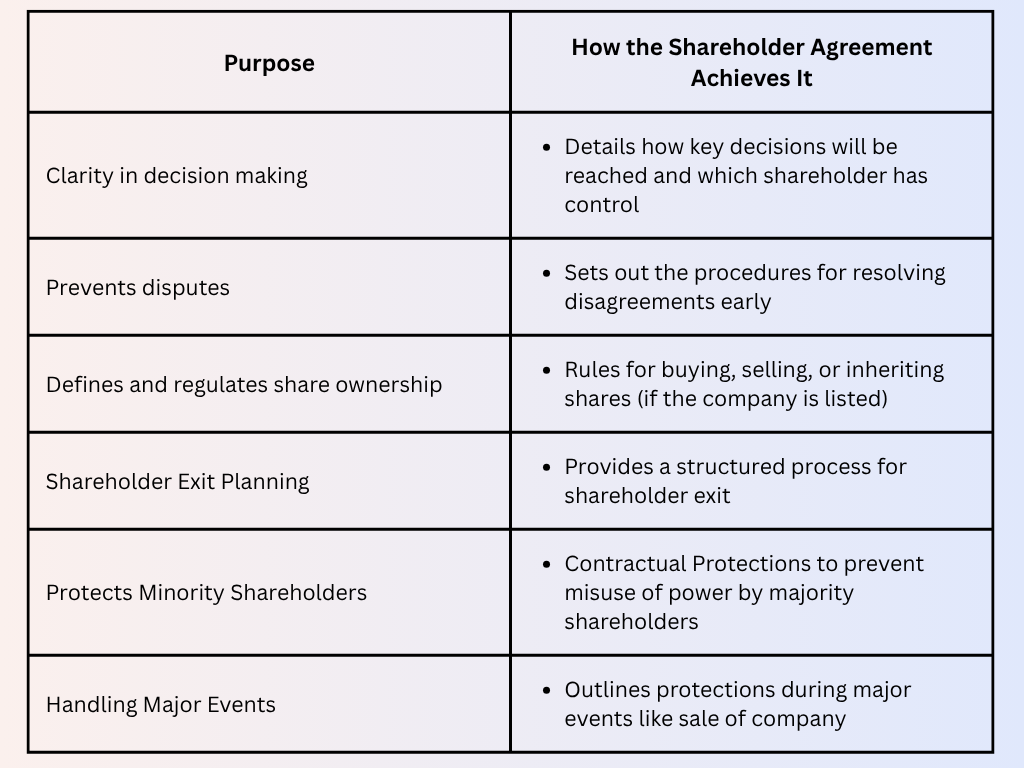
The purpose of a shareholder agreement is to clearly set out how the company is owned, managed, and controlled while providing contractual protections to all the shareholders.
It typically addresses critical questions such as:
- How key decisions will be reached
- Rules for buying, selling, or inheriting shares (if the company is listed)
- Procedures for resolving disagreements
- Protections during major events like an owner’s departure or the company’s sale
Who are the parties to a Shareholder Agreement?
A shareholder agreement can be entered between:
- Founders and Key Investors
- All the shareholders or just some of them
- The company itself is sometimes joined as a party to the shareholder agreement
- Employee Shareholders, if applicable
All shareholders can be party to the shareholder agreement and the terms of the agreement distinguishes between the majority, minority and investor shareholders by allocating their respective rights and obligations
When Does Your Startup Need a Shareholder Agreement?
- Two or More Founders holding shares and need to define what happens if one person stops contributing
- 50/50 Ownership and need a process to resolve deadlock in decision making
- Friends and Family are the first investors in your company and they need specific oversight and exit rights
- Exit or buy-out Strategy is required to cover future scenarios of a founder leaving, selling shared
When to Put the Agreement in Place?
- At company formation
- When adding co-founders
- Bringing in new investors
- During significant growth phases or ownership changes
What to Include in the Shareholder Agreements?
- Share Capital and Ownership Structure: Define shareholder percentages and set rules for issuing new shares, future capital contribution
- Company Governance: includes board composition, appointment rights, and removal of directors and meeting quorum requirements for board and shareholder meetings.
- Voting rights: Voting rights for all shareholders, identify reserved matters requiring supermajority, shareholders with veto rights.
- Financial Matters: establish the Dividend policy, profit distribution and Funding mechanisms (e.g., capital calls, shareholder loans).
- Share Transfer: imposes restrictions on share transfers, including right of first refusal or pre-emptive rights
- Exit Provisions: Tag-along rights for minority protection in sales and drag-along rights to have the minority shareholder to join a sale, Vesting schedules, compulsory buy-outs on specific triggers such as death, disability, bankruptcy, divorce.
- Dispute and Deadlock Mechanisms: Procedure for resolving disputes and deadlock between shareholders
- Termination: Lists events triggering termination of the agreement.
What are Some Key Advantages of Shareholder Agreements?
- Dispute prevention: Pre-agreed rules on authority and resolution methods minimize costly arguments.
- Seamless crisis management: Buy-sell provisions and preset valuation methods ensure shares can transfer smoothly in cases of death, disability, or insolvency.
- Minority shareholder safeguards: Features like information rights, veto powers on major issues, and tag-along protections prevent majority owners from sidelining others.
- Support for future funding: Pre-emptive rights give current shareholders priority when new equity is issued, helping maintain proportional ownership.
- Clear exit pathways: Drag-along rights and defined timelines reduce deadlock risks during sales or ownership changes.
Shareholder Agreement Templates on Doclegal.ai
- Shareholders Agreement - Equal Shareholdings: is suitable for the set up of a relatively simple joint venture - a company with equal shareholding. This shareholders' agreement is drafted for 2-5 parties. It can be in Neutral / Strict / Loose Form.
- Shareholders Agreement - Unequal Shareholdings: to be entered into upon completion or establishment of the Joint Venture Company with standard clauses for minority protection. This shareholders' agreement is drafted for 2-5 parties. It can be in Neutral Form / in favour of the Majority / Minority Shareholder.
Frequently Asked Questions For Shareholders Agreement
Can I bring a new shareholder into the company after signing a Shareholder agreement? yes, review the shareholder agreement for restrictions, use Doclegal.ai to generate a Deed of Accession, and get it signed.
Can a director be a party to the shareholder agreement? a director signs the shareholder agreement only if they are also a shareholder.Directors do not sign in their capacity as directors unless they hold shares or assume additional contractual obligations.
When is a shareholder agreement usually signed? It is typically signed at the incorporation stage or when new shareholders or investors join the company, to ensure ownership and control terms are clearly defined from the outset.
Can I trust Doclegal.ai shareholder agreement for my company? Yes, the shareholder template are vetted by lawyers. Doclegal.ai is the best value AI legal tool and does not require prior legal experience to use the legal templates. Just provide your scenario and generate the shareholder agreement in minutes
Shareholder Agreement for Freelancers, Creative Agencies, and Family-Owned Ventures
Because every business is unique, a one-size-fits-all SHA rarely works. Different business models, such as early-stage startups, project-based teams, creative firms, or multi-generational enterprises, face distinct challenges. Below, we introduce four common types of tailored shareholders’ agreements and highlight their primary purposes and key clauses.
Key Provisions for Shareholder Agreement for Freelancer:
Freelancer-focused shareholders' agreements arise when independent contractors form collectives, joint ventures, or equity-based partnerships
- Contribution-based equity and profit sharing: Ties ownership or distributions to billable hours, client wins, or deliverables
- IP ownership and licensing: Critical for freelancers; specifies who owns work product per project, with licenses granted to the company while allowing freelancers to retain portfolios or reuse non-exclusive elements. For a detailed guide on how to protect the IP,
Key Provisions for Shareholder Agreement for creative agencies / advertising agencies
- Creative control and client protections: Grants specific partners veto rights on creative decisions or client assignments; includes strong non-solicitation and non-compete clauses to prevent poaching clients or talent.
- IP and portfolio rights: Clarifies ownership of agency work, client deliverables, and reusable creative assets.
Key Provisions for Shareholder Agreement for Family-Owned Ventures
- Succession planning and leadership transition: Outlines how leadership and ownership pass to the next generation, including training requirements or performance benchmarks.
- Buy-sell and transfer restrictions: Mandatory or optional buy-outs triggered by death, disability, divorce, or voluntary exit; strong pre-emption rights and ROFR to keep shares in the family.
- Dividend policy and capital contributions: Balances reinvestment for growth with family income needs; may include rules for loans or guarantees from family shareholders.
How Doclegal.ai Creates Shareholder Agreements
Get instant access to lawyer-reviewed, AI-customizable Shareholders’ Agreement templates:
✅ Tailored clauses for your exact situation
✅ Ready in minutes, not weeks
✅ Starting at just $2.5 per document (or from $10/month)
Protect your shares, prevent disputes, and align everyone from day one.
👉 Create Your Shareholders Agreement Now on DocLegal.ai

The Legalities of Dropshipping: A Guide to Start Your Own Online Business in 2026
Is dropshipping legal in 2026? Master the legalities, from choosing niches and suppliers to essential policies and business licenses. Start your profitable online business confidently with this complete guide
The Legalities of Dropshipping: A Guide to Start Your Own Online Business in 2026
Dropshipping is a retail fulfillment business model where businesses do not keep their products in stock and instead purchase products from a third-party supplier. This stands in contrast to the traditional e-commerce model, enabling online business retailers to benefit from the low overhead expenses and profit. While dropshipping sounds ideal, with less hassle and cost involved, many people remain skeptical of dropshipping as it almost sounds too good to be true. We will be telling you everything you need to know about dropshipping in this article and how you can start your own dropshipping e-commerce business.
What is Dropshipping?
Dropshipping is an e-commerce model in which a retailer can sell a product to a customer without holding any of it as inventory. Under this model, the dropshipper does not handle or even see the products sold to the customer at any point in time.
It is easier to understand dropshipping by breaking it down into a series of stages:
- First, the customer purchases a product from the seller online at the retail price
- The seller (the 'dropshipper') then places an order for this product from a third-party supplier paying the wholesale price (this is a price lower than the retail price)
- The third-party dropshipping supplier ships the product directly to the customer
- The dropshipper keeps the difference between the retail and wholesale prices. This is the dropshipper’s profit margin.
What makes dropshipping attractive is the minimal investment required to start up the business in an online marketplace and the low overheads. Unlike traditional brick and mortar retail stores, dropshippers do not need to make massive outlays on large containers of product or pay large sums to rent warehouses to store inventory.
The perks – the low start-up capital and overheads – have given dropshipping a reputation for being an ‘easy money and get rich quick scheme. Naturally, some individuals are skeptical and distrustful of dropshipping. More specifically, many wonder whether dropshipping is legal.
Benefits of Dropshipping
So, what are the benefits of dropshipping? Some key benefits include:
- Less money, fees, and capital
- It is easy to implement
- Easier to scale
- Flexible arrangements
- Low overhead expenses
Is Dropshipping Legal?
So, is it legal? Yes, dropshipping is perfectly legal as no law claims it to be illegal or banned. But this does not mean you are in the clear, as under the dropshipping model, you may inadvertently do illegal things (which we will cover below). However, the main point we want to emphasise is that the model itself is legal. It is a legitimate and recognised model of business.
How to Start Dropshipping?
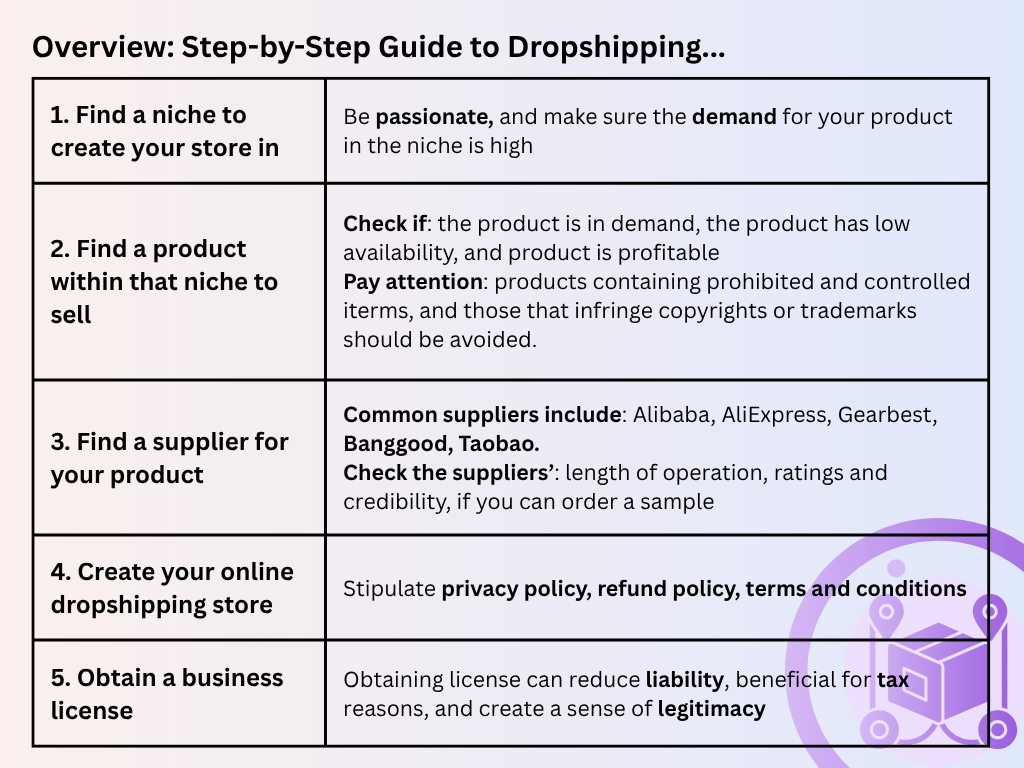
To start a dropshipping business, you should follow these steps:
- Find a niche to create your store in
- Find a product within that niche to sell
- Find a supplier for your product
- Create your online dropshipping store
- Obtain a business license
If you are stuck on the very first step of finding a niche, you can check out helpful resources on how to find your niche here: https://findniche.com/.
How to Start Dropshipping: In more detail
1. Find a niche to create your store in
Most successful dropshippers target a small and specific section of the wider market, called 'niche' markets. Focusing on a smaller niche market enables dropshippers to tailor their message and branding directly toward a smaller group of people. This is more effective than targeting the large mass market due to the broader and more varied tastes and preferences of individuals. As such, we recommend that the first step you should take is to identify a niche you want to target and centre your brand around.
Finding the right niche and selecting a suitable product often makes or breaks your chances of succeeding with dropshipping. When selecting a niche, we recommend you do two things:
a) Make sure you are passionate about the niche
Picking niches you are passionate about means you will have more in-depth knowledge of them, allowing you to easily identify which products will and will not sell. Your passion and knowledge will reflect in your marketing of the product, as it will naturally be better and more effective than your competitors’ marketing.
b) Make sure that demand for products in your niche is high
Dropshipping is ultimately a business. This means that to give yourself the chance to create a sustainable and profitable business, you should ensure there is sufficient demand for products in the niche you have selected.
A useful way of determining whether a niche is profitable is to type in the name of your niche into Google Trends. Google Trends measures the volume of people who search for a particular query over a period. If people consistently search for your niche, it is likely in ‘high demand’.
Some popular niches in which stores consistently perform well include fitness, pets, beauty, fishing, furniture, and electronics.
2. Find a product within that niche to sell
Next, you will need to pick a product to sell within the niche you have selected. To select a product, we recommend creating a list of products within your niche that fulfill the following criteria:
- Product is in demand
- The product has low availability
- Product is profitable
We will now be going into the details of each criterion.
a) Product is in demand
As mentioned above, to determine whether a niche is profitable, a useful indicator is its ranking on Google Trends. If people consistently search for your product, it is likely ‘in demand’.
Another way to determine whether a product is in demand is to look at industry reports and see what products other competitors dropshipping within your niche are selling.
b) Product has low availability
Products that are not readily available at traditional brick-and-mortar stores suit the dropshipping model better than those that are readily available at physical stores. This is because customers are less likely to buy such products online if readily available at a physical store.
c) Product is profitable
You should ensure the product is profitable. By profitable, we mean ‘profitable’ in that your product has a high perceived value. You should ensure that your product has a high enough perceived value such that you feel comfortable selling it even after adding a large enough profit margin to cover your costs. This is critical to ensure your business can become profitable and sustainable in the long run.
We also wanted to point out that there are two categories of products which you should not dropship:
- Products containing prohibited and controlled items should be avoided
- Products that infringe copyright or trademarks should be avoided
(a) Products containing prohibited and controlled items should be avoided
Dropshippers, like physical stores, must comply with laws governing controlled and prohibited products.
Controlled products are products that can be legally sold but require a license to be sold. Governments require businesses selling these products to have a license not just to ensure that the products are safe to use but also to promote a safe and healthy environment for communities in general. Common examples of ‘controlled products’ include alcohol, tobacco, and pharmaceutical products.
Prohibited products are products the sale of which is completely forbidden. Common examples of prohibited products include drugs and weapons.
Products that are prohibited or controlled vary by country. Therefore, as a dropshipper, you should thoroughly research any products you intend to sell to ensure you can legally sell them.
(b) Products that infringe copyright or trademarks should be avoided
Dropshippers should also ensure their products do not breach the intellectual property rights of other businesses. The most infringed intellectual property rights for dropshippers are copyright and trademarks.
Both copyright and trademarks are very similar in protecting businesses from having their intellectual property copied by others. They just differ in what intellectual property they protect. Copyright generally protects creative work that is artistic or literary. On the other hand, trademarks specifically protect against distinctive symbols, words, and designs that denote that a product comes from a particular source from being copied.
Products sold by dropshippers that breach copyright or trademarks tend to be products that feature logos of sports teams, pictures of celebrities, or pictures of famous cartoon characters. For a more comprehensive introduction on copyright, trademarks, or just general intellecutal property concerns for small businesses, please see here.
3. Find a supplier for your product
After finding a product you would like to sell, you should find a supplier for this product. Most dropshippers find a supplier online using a supplier directory. Popular supplier directories include:
As you may have noticed, dropshippers are heavily reliant on their suppliers. They rely upon suppliers to keep the product being sold in stock, maintain product quality, and, most importantly ensure products are shipped to customers. Dropshippers who want to give themselves a realistic chance at creating a successful dropshipping business should therefore conduct rigorous due diligence on their potential suppliers.
Plugins are also available to help you with the logistics of using a supplier. For instance, if you choose to dropship from AliExpress, this AliDropship plugin review may be useful.
There are also some specific things you should know about your supplier before you decide whether they are worth partnering with:
a. If the supplier works with dropshippers
This is important because some suppliers only sell their products in bulk and do not sell products individually, the latter of which dropshipping relies on.
b. How long the supplier has been operating.
In general, the longer a supplier has been operating, the greater the level of quality and professionalism you can expect.
c. Are there any reviews or ratings people have given the supplier online?
You should use any reviews or ratings to assess whether they are adequately reliable for your dropshipping business.
d. Order a sample product to your house and test it out
This is probably the most important part of the due diligence process. Ordering a sample is important because you can evaluate the customer experience first-hand. Make sure to assess every aspect of the experience. How long did delivery take? Is the product quality good? Is the product packaging strong, and does it match your branding?
You should note that, unfortunately, even after conducting thorough due diligence, dropshippers remain exposed to numerous risks in dealing with their suppliers. Some of the most common issues include:
- Suppliers delivering faulty goods to your customers
- Suppliers, recognising the success of your brand, copying and selling the products with your branding to other people
- Suppliers shipping products to the wrong address
These problems not only result in additional costs for re-shipping products to customers but can leave customers feeling frustrated, causing long-term damage to your brand.
Draft Dropshipping Agreements using Customizable Template
Dropshippers can mitigate these risks by entering a Dropshipping Agreement with their suppliers.
A Dropshipping Agreement is a written repository outlining the dropshipper’s (your) relationship with their supplier. It protects the dropshipper as it outlines the responsibilities of the supplier if they make a mistake or do something wrong. For example, in the circumstance that they send a faulty product to a customer or the wrong address, the dropshipping agreement may demand that the supplier sends a replacement product.
A dropshipping agreement is an important source of protection for suppliers too. It outlines when payment is due and what rights the supplier has if the dropshipper decides not to pay the supplier for amounts due.
By clearly establishing what obligations you have as the dropshipper and what rights you have should things go wrong, the likelihood of resolving disputes amicably is dramatically increased. This is because if any dispute arises, having a dropshipping agreement, will allow you both to refer to it.
DocLegal.ai offers three different templates of Dropshipping Agreements which we recommend you use to adequately protect yourself.
Firstly, DocLegal.ai offers a neutral Dropshipping Agreement. This Agreement is drafted in neutral form, meaning it equally favours the dropshipper and supplier.
Secondly, DocLegal.ai offers a Dropshipping Agreement favouring the dropshipper. Compared to the neutral Dropshipping Agreement, this agreement features a more favourable return policy and payment terms for the dropshipper. Amongst other things, it also gives the dropshipper greater rights should the supplier deliver products that are of bad quality.
Thirdly, DocLegal.ai offers a Dropshipping Agreement favouring the supplier. This version features a stricter return policy and payment terms compared to the neutral Dropshipping Agreement. Amongst other things, it also gives the dropshipper fewer rights should the supplier deliver faulty products.
4. Create your online dropshipping store
The next step in establishing your dropshipping business is to create your online store. Common platforms used to create online stores include Shopify and WordPress. At this stage, you can let your creativity take charge in bringing to life the brand that you envision.
When creating your website, make sure to include these three key documents on three separate pages:
- Privacy Policy
- Refund Policy
- Terms and Conditions
a) Privacy Policy
Countries worldwide have enacted laws to ensure that businesses that collect data from their customers use this data responsibly. As part of ensuring responsible use, many countries have enacted laws imposing obligations on businesses to inform users as to what data is being collected from them and how it will be used.
Every dropshipper will collect customer data in the form of customer names, customer addresses and phone numbers thus must ensure that they comply with these laws. Compliance can be achieved by using a privacy policy. A privacy policy is a document that outlines how you gather, use, and process the data of users of your website.
DocLegal.ai offers a template privacy policy that we recommend you use.
b) Refund Policy
There is no legal requirement for dropshippers to have a refund policy on their website. Nonetheless, having a refund policy is a good idea for a couple of reasons.
Firstly, having a refund policy is a good idea for your brand as it creates a sense of security for the customer. Refund policies serve as a guarantee for the customer from the dropshipper that the product they are buying will be exactly as it is portrayed online. If this is not the case, the customer can expect to return it and get their money back.
Secondly, by including a refund policy on your online store, customers will be informed about their rights and entitlements should a product be faulty or otherwise not meet their expectations. Should a dissatisfied customer demand a refund, having a refund policy to refer to helps you amicably resolve the issue without it escalating it further.
If you don’t have a refund policy, you will likely be unable to reach this mutual understanding of the customer’s entitlements. In these instances, customers often openly dispute with payment providers like PayPal, complaining that the product that has been delivered does not match how it was represented online. This will also make your brand and its credibility will suffer.
DocLegal.ai offers a template refund policy which we recommend you use.
c) Terms and Conditions
The Terms and Conditions page outlines the rights and obligations of users of a website. It effectively serves as a contract between the user and you (the dropshipper), outlining rules for the usage of the website.
Despite it not being legally required, having terms and conditions on your website is an important precaution to lessen the legal risk for your business. Common terms you should include to protect your business include:
- (i) Limitation of Liability
These terms limit the responsibility of the dropshipper (the site owner) if a user uses your dropshipping website and suffers some loss as a result.
- (ii) Copyright
These terms ensure that all content on the website including logos, text, and images is the intellectual property of the dropshipper (the site owner).
- (iii) Price Disclaimer
These terms state that the prices for goods as stated on the website are accurate but can be changed without notifying the customer until the customer orders the product.
5. Obtain a business license
Whilst obtaining a business license is not necessary to start a dropshipping business, we believe it can be beneficial to your business for three reasons. Firstly, it can reduce your liability if something goes wrong. Secondly, for tax reasons. Thirdly, for legitimacy.
Firstly, obtaining a business license can be beneficial as it can limit liability. Dropshippers are heavily reliant upon their suppliers to ensure products are of satisfactory quality. Unfortunately, it is very common for suppliers to send faulty products to customers. If a disgruntled customer sues you for selling them a faulty product, you will want to ensure that your assets such as your house and car are safe from being taken away from you. Certain types of business structures – such as companies – can offer this very protection!
Secondly, registering as a business can be beneficial for tax reasons. Depending on your jurisdiction, registering as a business may allow you to benefit from more favourable tax rates.
Finally, obtaining a business license can help create a sense of legitimacy for your business. Having a business license often indicates professionalism and trustworthiness – both of which are critical if you want to become real partners with your supplier. Furthermore, displaying your business license on your website will help you appear trustworthy in the eyes of customers, increasing your overall sales.

Facing Harassment? Step-by-Step Guide to Draft a Cease-and-Desist Letter
Facing harassment? Get a free U.S.-friendly cease and desist letter template, step-by-step guide, and legal tips to stop unwanted contact, stalking, or threats. Create your paper trail today.
Facing Harassment? Step-by-Step Guide to Draft a Cease-and-Desist Letter
A cease-and-desist letter is not legally binding and cannot force anyone to stop. However, it creates a paper trail that can support later court action (such as a temporary restraining order or injunction) or police reports. Please see here for a detailed explanation of what a cease-and-desist letter is, and how it is different from a cease-and-desist order.
For serious, ongoing, or threatening harassment, contact your local police department immediately and/or seek urgent advice from a qualified attorney licensed in your state. However, if you just want to formally tell someone to do something, a cease-and-desist letter may help. Sending a letter could escalate the situation, so pay attention to document everything.
Before going into details of what needs to be included in such letter, here is a straightforward template you may use:
Sample Cease-and-Desist Letter for Harassment (U.S.–Friendly Template)
Note: Copy, paste, and customize the placeholders in bold brackets. Use specific dates, times, locations, and descriptions of the behaviour. Send it by certified mail with return receipt requested (or through a process server/solicitor for stronger evidentiary value). Keep copies of everything.
------------------------------------------------------------
[Your Full Name]
[Your Street Address]
[City, State, ZIP Code]
[Your Email Address]
[Your Phone Number]
[Date – e.g., March 31, 2026]
[Harasser’s Full Name]
[Harasser’s Street Address]
[City, State, ZIP Code]
Re: Formal Demand to Cease and Desist – Harassment
Dear [Harasser’s Full Name],
I am writing to you as a formal notice demanding that you immediately cease and desist from all harassing, intimidating, unwanted, or threatening conduct directed at me or anyone connected to me.
Your actions include, but are not limited to, the following:
• On [date], at [location or via method, e.g., “via text message” or “outside my residence at …”], you [describe the specific act in detail, e.g., “sent 15 unsolicited and abusive messages containing personal attacks”].
• On [date], you [further specific incident].
• [Continue listing every relevant incident with dates, times, locations, and evidence (e.g., screenshots, call logs, timestamps, witness statements)].
This repeated course of conduct has caused me significant emotional distress, anxiety, fear for my safety, and [any other specific harm, e.g., “interference with my work and daily life”].
Such behaviour constitutes harassment under the common law and/or statutes of the State of [Your State], and may also violate other applicable laws (including, where relevant, federal wire or electronic communications statutes).
I therefore demand that you immediately:
1. Cease all communication or contact with me by any means whatsoever (telephone, email, messaging apps, social media, in person, through third parties, or otherwise).
2. Cease any form of surveillance, following, approaching, or monitoring of me, my family, friends, or workplace.
3. Remove and delete any harassing, defamatory, or unwanted content you have posted or shared online or elsewhere.
4. Refrain from any further acts that could reasonably be perceived as harassing, intimidating, or unwelcome.
You must confirm in writing within 14 days of receipt of this letter that you have fully complied with these demands and will not engage in any similar conduct in the future.
Please be advised that if you fail to comply, I will have no hesitation in pursuing all available legal remedies, including (without limitation):
• Applying to the courts in [Your State] for a temporary restraining order or injunction to restrain your conduct;
• Commencing civil proceedings against you for damages and other relief for harassment and/or intentional infliction of emotional distress; and/or
• Reporting the matter to local law enforcement or other appropriate authorities for any criminal offences that may have been committed.
This letter is sent without prejudice to any of my rights and remedies and is intended to serve as formal notice. A copy of this letter together with proof of delivery will be retained as evidence.
Yours faithfully,
[Your Full Name]
------------------------------------------------------------
How will the Cease-and-Desist Letter for Harassment Help?
Sadly, in the United States (and most other common law jurisdictions), there is no single nationwide “harassment law.” Instead, protections are a mix of state civil torts (like harassment or intentional infliction of emotional distress) and criminal statutes that vary widely from state to state. But you do have options. Sending a cease-and-desist letter, of course, is one of the simplest and most effective first steps.
It’s not magic, and it’s not a court order. But it often works because it puts the harasser on official notice, creates evidence for later legal action, and shows you’re serious without immediately running to court.
When should you send the Letter?
To send a cease-and-desist letter for harassment, you must first be sure that there is a case of harassment. Although this should be pretty evident when you face such a situation, it is always better to make the basis clear.
In the US, laws differ by state, but courts generally look at whether the conduct is repeated, unwanted, and causes substantial emotional distress or fear.
Common examples include:
- Repeated unwanted calls, texts, emails, or social-media messages
- Showing up uninvited at your home or workplace
- Doxxing or publishing your personal information to cause harm
- Stalking, following, or surveillance
- Threats or defamatory online posts
Many states also have specific anti-stalking or cyber-harassment laws. If the behaviour crosses state lines or involves electronic communications, federal laws (such as the Violence Against Women Act or wiretap statutes) may apply.
Does Strongly-Worded Cease-and-Desist Letter Always Help?
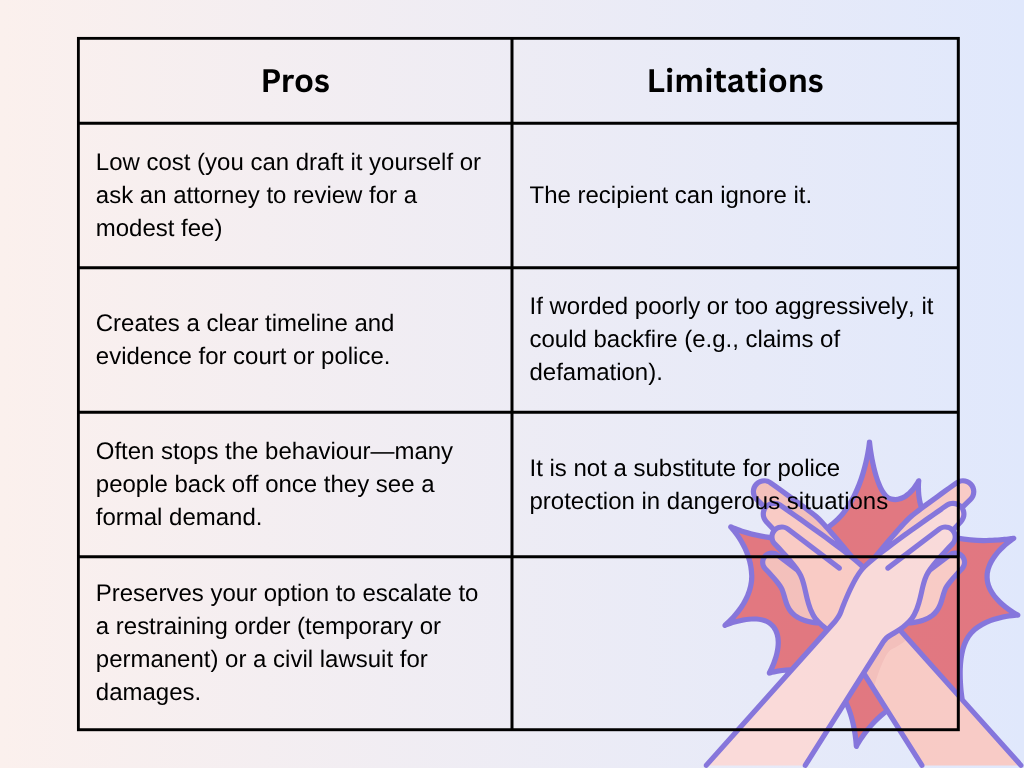
It depends on the context, but generally, no. In fact, sending a cease-and-desist letter may not always be the best option. Here is a comparison of the pros and cons of sending such letter:
What If They Don't Respond to the Cease-and-Desist Letter?
Except from patiently waiting for the other side to respond, if they totally ignored the letter and continued the harassment, there are three other things you can do:
- Report to Police: for any criminal elements (many states treat repeated harassment as a misdemeanor or felony).
- Obtain Restraining Order / Injunction: file for a temporary restraining order (TRO) in your local court—often granted quickly in clear cases.
- Establish Civil claim: sue for damages (emotional distress, lost wages, attorney fees, etc.).
It should be noted that a well-drafted cease-and-desist letter becomes powerful evidence that you tried to resolve the matter reasonably first.
To Re-Cap: What should you do?
A cease-and-desist letter is a powerful, low-conflict tool, but it’s only the first step. If you’re dealing with harassment right now:
- Gather evidence — screenshots, call logs, timestamps, witness statements.
- Write and send cease-and-desist letter:
- Keep it factual and professional — never threaten violence or use insults.
- Be specific — vague letters are easy to dismiss.
- Send proofably — certified mail with return receipt or via an attorney/process server.
- Keep records — save everything.
- Follow up — if ignored, consult an attorney about next steps.
Harassment is never okay. Taking calm, documented action is often the fastest way to make it stop. For immediate safety concerns, call 911 or your local non-emergency police line. Resources like the National Domestic Violence Hotline (1-800-799-7233) or cyberstalking hotlines are also available nationwide.
Want to customize an effective cease-and-desist letter with lawyer-reviewed template? Visit doclegal.ai. Limited offer awaits.

Guide to Drafting SaaS Agreements (2026 Template Included)
Get the ultimate 2026 SaaS Agreement Template and expert tips on drafting SaaS contracts. From basic to enterprise agreements, ensure legal protection with our comprehensive guide and template.
Guide to Drafting SaaS Agreements (2026 Template Included)
SaaS agreements are essential for the business, but there are many different types of SaaS agreement - which one to choose? SaaS agreements can vary depending on the scale of the business and the nature of the service. This article is a guide on how to choose the template that best suits your business.
What are some of the commonly used SaaS agreement templates?
Whether you use doclegal.ai or search online, you may ultimately find mainly four different types of SaaS agreement templates. These four types of templates are:
- Core SaaS/Cloud Service Agreement (CSA)
- Master Service Agreement (MSA)/Broad Products & Services Agreement
- Partner/Reseller/Channel Agreement
- Standard Subscription Agreement (often used as ToS-style or simple MSA for recurring subscriptions)
We will walk you through the differences between these four below, including the key characteristics of each and when they are best used for.
Core SaaS/Cloud Service Agreement (CSA)
This template is best for standard direct SaaS subscriptions (self-serve or sales-led).
The key characteristics of CSA is that it ensures pure access to hosted software + platform. It has strong restrictions on use, IP ownership stays with Company, "as-is" disclaimers, and customer data ownership.
Master Service Agreement (MSA)/Broad Products & Services Agreement
This template is best for complex B2B deals involving SaaS + Professional services (development, consultancy, integration).
It covers Licensed Software, Developed Software, Consultancy Services, Systems Integration, Acceptance Tests, detailed IP, warranties, indemnities. It is heavy on project deliverables and appendices.
Partner/Reseller/Channel Agreement
This template is best for indirect sales through resellers, distributors, or channel partners.
Such a template grants resell rights in a territory, End User License Agreements (EULAs), commission/fee structure, marketing obligations, non-compete.
Standard Subscription Agreement
This template is best for recurring end-user subscriptions, especially for SMB or product-led growth.
These kinds of templates focus on service plan, subscription fee, auto-renewal, trial periods, basic restrictions. It is very subscription-centric with clear termination and payment terms.
Step-by-step guide to choosing the right SaaS agreement template
In order to make sure a correct template is selected, it is useful to ask yourself these five questions, from one to five, in order:
- Who is the other party in the Saas Agreement?
- Is this pure SaaS access, or are you also providing development, implementation, or consultancy?
- What is your go-to-market model?
- What is your deal size and complexity?
- What are your compliance needs?
Who is the other party in the Saas Agreement?
- If the other party is direct end-user or customer of business, please use the CSA or Standard Subscription Agreement
- If the other party is channel partner/reseller/distributor, please use the Partner/Reseller/Channel Agreement
- If the other party is an enterprise customer who needs custom work, integration, or consultancy, please use the MSA agreement.
Is this pure SaaS access, or is the business also providing development, implementation, or consultancy in Saas Agreement?
- If it is pure Saas access, please use CSA or Standard Subscription Agreement
- If there is any need for professional services or custom development, use MSA agreement
What is the business’s go-to-market model?
- If your business is product-led, self-serve, high-volume, please use Standard Subscription Agreement or a click-wrap version of CSA agreement
- If your business is a sales-led enterprise, please use MSA agreement
- If your model is indirect or channel sales, please use Partner/Reseller/Channel Agreement
What is Saas deal size and complexity?
- If the deal is small or a standard subscription, please use Standard Subscription Agreement as this is the simplest
- If the deal involves complex requirements, please use the CSA agreement
- If the deal involves large enterprises or multi-phase projects, please use the MSA agreement.
What are the Saas agreement’s compliance needs?
- It is worth noting that all the templates should be customized to adapt to their jurisdictions
- However, if you need strong data protection, SLAs, or DPA addendums, then choosing MSA or CSA agreements are easier to extend. Usually, they already have service level terms and technical support schedules.
Below is a flowchart to assist in making a decision:
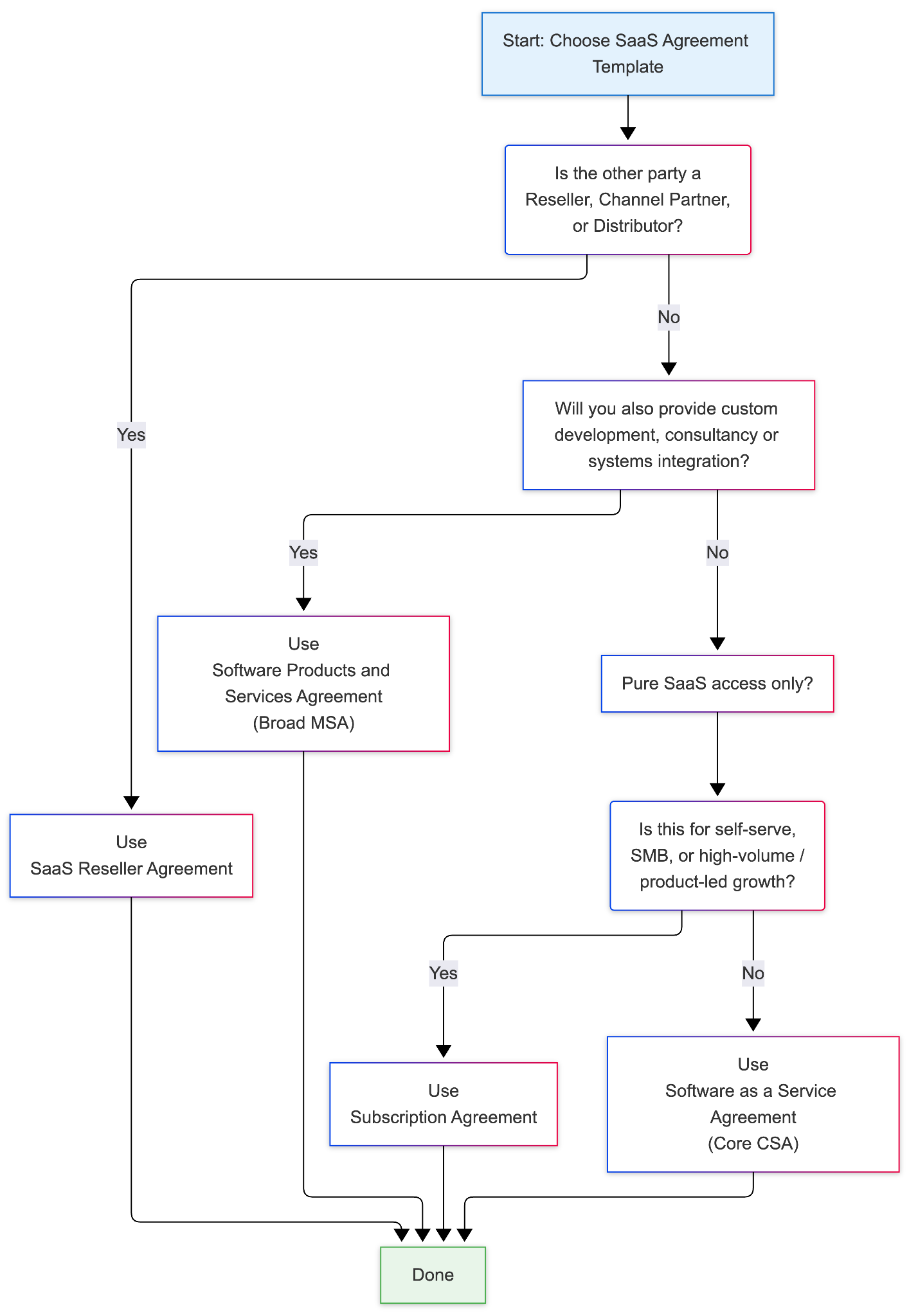
SaaS Agreement Template 2026
Creating a SaaS agreement template from scratch can be time-consuming and challenging. Using a template can ensure consistency and legal protection, helping businesses quickly draft agreements that cover all essential legal aspects.
For illustration purposes, below is a template about the most commonly used SaaS agreements, the Core SaaS/Cloud Service Agreement (CSA).
Rest of the templates mentioned can be found on Doclegal.ai.
----------------------------------------------
Last Updated: [Date]
This Software as a Service (SaaS) Agreement (“Agreement”) is entered into on [Effective Date] by and between:
[Vendor Name], a [State/Country] corporation with its principal office at [Address] (“Vendor”); and [Customer Name], a [State/Country] corporation with its principal office at [Address] (“Customer”).
1. Purpose
The purpose of this Agreement is to outline the terms and conditions under which the Provider will offer access to the software product described below to the Customer.
2. Definitions
For the purposes of this Agreement:
“Software” refers to the software application provided by the Provider and hosted on the Provider’s servers, which the Customer may access via the internet.
“Subscription” refers to the Customer’s right to access and use the Software for a specified period, typically [monthly/annually], as outlined in the Payment Terms below.
3. Scope of Service
The Provider agrees to provide the Customer with access to the following Software: [Software Name].
The Software will be made available to the Customer via the internet on a cloud-based platform hosted by the Provider.
The Provider will ensure that the Software is accessible [99.9%] of the time, excluding scheduled maintenance or downtime due to unforeseen technical issues.
4. Subscription and Payment Terms
Subscription Fee: The Customer agrees to pay a subscription fee of [Subscription Fee Amount] per [month/year] for access to the Software.
Payment Method: Payments will be made via [Payment Method, e.g., credit card, bank transfer].
Billing Cycle: Payments will be invoiced [monthly/annually] in advance and are due by [due date].
Late Payment: Any payments not received by the due date will incur a [Late Fee Percentage] late fee.
Renewal: This Agreement will automatically renew for subsequent [monthly/annual] periods unless either party provides written notice of termination at least [Notice Period] days before the renewal date.
5. Data Privacy and Security
The Provider agrees to comply with applicable data protection laws, including [Data Protection Law, e.g., GDPR, CCPA].
The Provider will take reasonable measures to protect the Customer’s data and prevent unauthorized access.
The Customer acknowledges that they own their data, and the Provider will only use it for the purposes described in this Agreement.
6. Intellectual Property
The Provider retains ownership of all intellectual property rights related to the Software.
The Customer is granted a limited, non-transferable, non-exclusive license to use the Software during the term of this Agreement.
The Customer may not modify, reverse engineer, or sublicense the Software.
7. Support and Maintenance
The Provider will provide technical support during normal business hours via [Support Method, e.g., email, phone, live chat].
The Provider will also perform necessary updates and maintenance to ensure the Software functions correctly. Scheduled downtime will be communicated to the Customer in advance.
8. Limitation of Liability
The Provider’s liability under this Agreement will be limited to the total amount paid by the Customer for the Software in the [12-month] period preceding the event causing the claim.
The Provider will not be liable for any indirect, incidental, or consequential damages, including loss of profit, arising from the use of the Software.
9. Termination
Either party may terminate this Agreement by providing [Notice Period] days’ written notice to the other party.
Upon termination, the Customer’s access to the Software will be revoked, and the Customer agrees to remove any copies of the Software from their systems.
The Customer may request the return of their data, which the Provider will provide in a standard format within [Data Return Period] days of termination.
10. Miscellaneous
Governing Law: This Agreement will be governed by and construed in accordance with the laws of [Jurisdiction].
Dispute Resolution: Any disputes under this Agreement will be resolved through [arbitration/mediation] in [Location].
Force Majeure: Neither party will be held liable for failure to perform due to circumstances beyond their control, such as natural disasters or governmental actions.
IN WITNESS WHEREOF, the parties have executed this SaaS Agreement as of the Effective Date.
[Provider Name]
By: ___________________________
Name: [Your Name]
Title: [Your Job Title]
Date: _________________________
[Customer Name]
By: ___________________________
Name: [Customer Representative Name]
Title: [Customer Representative Job Title]
Date: _________________________
----------------------------------------------
Final Recommendation of Choosing the Correct SaaS Template
- The most versatile starting point for most modern SaaS companies is the CSA agreement. It is clean, modern, and focused purely on cloud access.
- You can also use Standard Subscription Agreement if you want an even simpler, subscription-heavy version for smaller customers or self-serve sign-ups.
- Use MSA agreement only when you are bundling significant professional services.
- Use Partner/Reseller/Channel Agreement exclusively for your reseller/channel program.
Need Help Drafting Your SaaS Agreement?
Still have doubts which one to choose? All the templates mentioned above can be found on Doclegal.ai, which contains lawyer-reviewed SaaS agreement templates.
Apart from assisting in drafting your SaaS agreement, Doclegal.ai also offers a contract review feature, where you can easily upload other SaaS contracts to the system, and the AI chatbot will review the contract and highlight the high risk provisions in the contract.
For instance:
- Limitation of Liability: The SAAS vendor limited their liability to a maximum of $5,000 regardless of damages even if a platform failure caused significant business disruption or data loss.
- One-sided Indemnity Clause: The contract had a unilateral indemnity provision requiring the customer to indemnify the vendor only.
If you drafted a SaaS agreement, DocLegal.ai also offers smart recommendations to revise the language. By using it's ‘revise clause’ feature, you will be able to:
- Increase the liability cap
- Add specific protections for data loss and business interruption.
- Make the indemnity clause mutual rather than one-sided.
To learn more about how DocLegal.ai simplifies the review and negotiation of SaaS agreements, visit DocLegal.ai. Get started with DocLegal.AI today and streamline your legal document creation process, limited offer awaits!

SaaS Agreements: Why Should You Care?
Discover what SaaS agreements are, their importance for vendors and customers, key sections like usage rights and subscriptions, plus vital legal issues including data privacy, IP rights, and cybersecurity compliance
What is a SaaS Agreement: Why Should You Care?
Software as a Service (SaaS) refers to software applications hosted in the cloud and offered to customers on a subscription basis. It has become a go-to solution for many business in the United States and globally, due to its convenience and low-cost, as it allows businesses to access software without having to maintain expensive infrastructure.
This article will introduce SaaS agreements by explaining their meaning, highlighting key legal issues involved, providing SaaS agreements examples, and offering a template to guide businesses and users.
What is a SaaS Agreement
A SaaS agreement is a legally binding contract between a SaaS provider and the customer. The agreement establish the relationship between the two parties by laying out the ground rules for how the customer can log in and use the service. More importantly, the agreement define rights, obligations, and expectations regarding the software.
Why are SaaS Agreements important for your business?
As mentioned above, the SaaS agreement refers to how the software will be delivered, how it will be maintained, and how both the provider and the customer can fulfill their responsibilities.
SaaS agreements are crucial in preventing potential legal issues, setting clear service expectations, and providing a framework for dispute resolution:
For SaaS vendors, these agreements help ensure that their software is used within the agreed terms. This can effectively protect their intellectual property, and more importantly reduce liability risks.
On the other hand, for customers, a SaaS agreement ensures clear expectations around service access, privacy, and data security, safeguarding both parties from possible disputes.
What will a SaaS Agreement Typically Include?
While traditional software licenses allow customers to install and run software on their own systems, SaaS agreements operate on the premise that the software is hosted on the provider’s servers and accessed remotely. This difference introduces several unique factors:
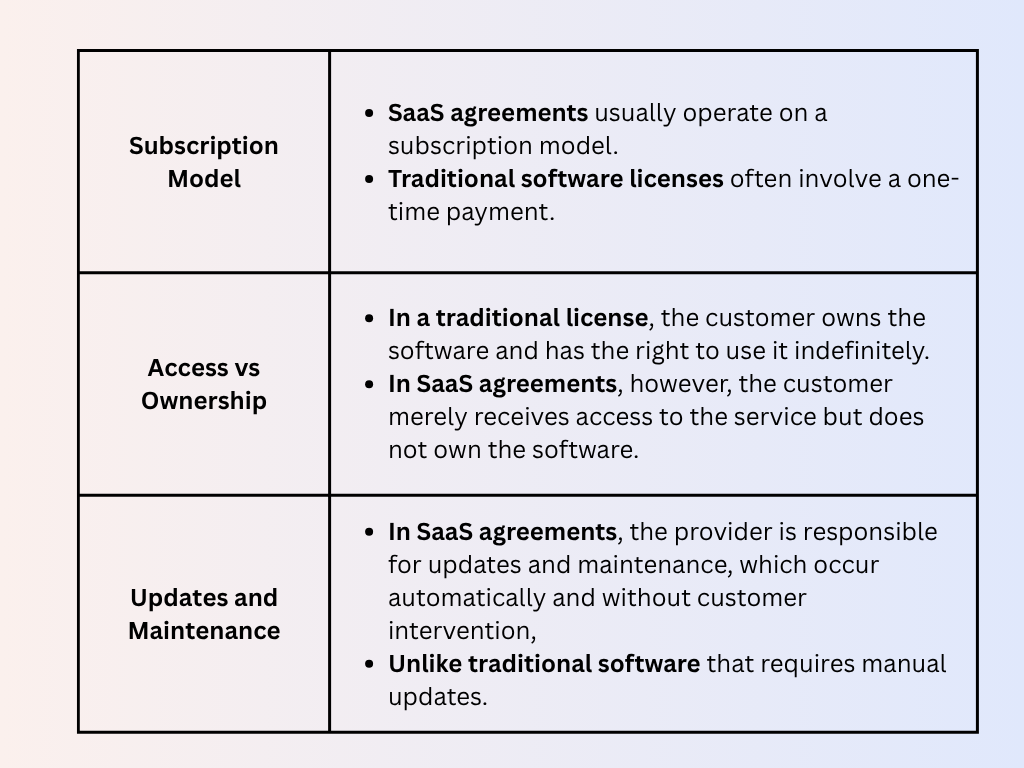
These differences mean that a typical SaaS agreement should spell out all the essentials up front, so there are no surprises down the road. These sections help prevent legal disputes and clarify the operational aspects of the service. Having a solid SaaS agreement template can ensure that all necessary details are included to avoid misunderstandings between both parties. Below are some parts you may need to include in your agreement:
1. The Responsibilities of Each Party
One of the key objectives of SaaS agreement is to outline the parties’ responsibilities to ensure a smooth business operation.
- Some of the provider/companies’ responsibilities include, agreeing to provide services in a professional and diligent manner, in compliance with all laws and regulations, etc.
- Some of the customer’s responsibilities include, registering an account via the service provided, allowing employees and other third parties to access the software and service, and promptly notify the provider if there’s any breach, etc.
2. Restrictions
Restrictions are mainly a part designed to stop unauthorised use of the services. For example, customers may not:
- Copy the software, service or documentation,
- Reverse engineer, disassemble, decompile, attempt to discover the source code or the object code or any algorithms and know-how relating to the services or the software,
- Remove, modify, or obscure any copyright, trademark, or other proprietary notices contained in the software used,
- And so on.
3. Payment Terms
This is where both parties should detail when, how, and how much should be paid. For example:
- Customers shall pay fees to the provider in instalments from the effective date; if the customer does not pay within 15 days after the invoice date, a late payment charge of 5% per month will be due
- The fees exclude goods and services tax, value-added tax or any other applicable taxes
- Customers shall pay the fees to provider by such payment method agreed by the provider in writing
- And so on.
4. Customer Data
As privacy and data protection are becoming increasingly important, it is worth spending more time on this section to outline all the responsibilities of both parties. For example:
- The Customer owns and accepts all responsibility for any data, information or material that the Customer and its users process or submit to the Service in the course of using the Service, including any personally identifiable information.
- The Customer agrees to separately back up all Customer Data.
- And so on.
Now you are Ready to Draft it. What are Some Points to Note When Negotiating?
While SaaS agreements help protect both parties, they must also address various legal issues to ensure compliance with local and international laws. Here are some of the most important legal issues in SaaS agreements that both parties should pay attention to:
Data Privacy and Protection Requirements
- SaaS agreements legal issues often involve how customer data is handled, especially considering the growing importance of data protection laws like GDPR (General Data Protection Regulation) and CCPA (California Consumer Privacy Act).
- Compliance with these regulations is crucial, and the agreement should specify how data will be collected, processed, stored, and protected, outlining the steps the provider will take to ensure compliance with data protection laws.
Cross-Border Data Transfer and Storage
- As SaaS products are often used globally, data frequently crosses borders.
- The SaaS agreement must specify how these cross-border data transfers are handled, ensuring compliance with international data protection laws, especially for customers in countries with stringent data privacy regulations.
Vendor and Customer Obligations
- The SaaS agreement must clearly outline the obligations of both the vendor and the customer.
- This includes uptime guarantees, customer support expectations, and data protection responsibilities.
- It should also specify the customer’s obligations in terms of payment, data accuracy, and compliance with usage restrictions.
Managing Cybersecurity Risks and Breach Notification
- Cybersecurity is a key concern in SaaS agreements legal issues.
- The agreement should define the provider’s obligations to maintain a secure environment and outline what happens if a data breach occurs.
- It should also detail how the provider will notify the customer in case of a breach and what remedial actions will be taken.
Intellectual Property and Ownership Disputes
- SaaS agreements need to clearly define the ownership of the software, data, and any customizations made to the service.
- Intellectual property (IP) rights should be explicitly stated to avoid confusion or disputes over who owns the software or any data generated by its use. Click here to see how IP rights can be very important to your business success.
Risks of Non-Compliance and Potential Penalties
- Non-compliance with regulations like GDPR can lead to substantial fines.
- The SaaS agreement should specify how both parties will manage compliance obligations and what penalties may arise in case of a breach, particularly with respect to data privacy and intellectual property.
What about AI Features in SaaS Agreements?
There are some particular things to note when negotiating and reviewing a SaaS agreement that includes AI features or gen-AI, because there are unique risks associated with AI. For example, risks around data training, unpredictable outputs, IP ownership, regulatory compliance, and liability that go beyond standard SaaS terms (e.g., uptime SLAs, basic data privacy).
Therefore, negotiations should be risk-based: tailor terms to the AI’s use case (low-risk chatbots vs. high-stakes decision-making tools). Use a clause-by-clause review, map data flows, and consider a data processing addendum or AI-specific schedule. You should, including but not limited to:
- Clearly define the scope of AI services: explicitly describe what the AI does (e.g., workflows, decisions, etc.), avoid vague terms like “predictive” or “intelligent.”
- Outline data ownership, usage rights, and training restrictions: prohibit the provider’s use of your data for training their models, demand data portability in structured format and certified deletion.
- Pay attention to intellectual property rights and indemnification: secure broad commercial licenses to use AI-generated outputs, require vendor indemnity for third-party IP infringement claims arising from their training data or your use of outputs, and push back on broad disclaimers that outputs may infringe IP.
- Ensure privacy, security, and regulatory compliance: require full compliance with applicable laws, address AI-specific risks (e.g., prompt injection, data leakage, etc.); include a change-in-law clause for new AI regulations.
- Additional best practices: conduct due diligence on vendor’s AI practices, align with your internal AI governance policy (responsible use, human oversight, and so on), consider a separate AI addendum or schedule for clarity.
Do you need a lawyer to Draft SaaS Agreements?
Generally no. There are many reliable SaaS templates online. As long as you pay attention to the aspects mentioned above and make sure to maximize your interest, using templates will be just as effective. Below is a checklist of things you should consider:
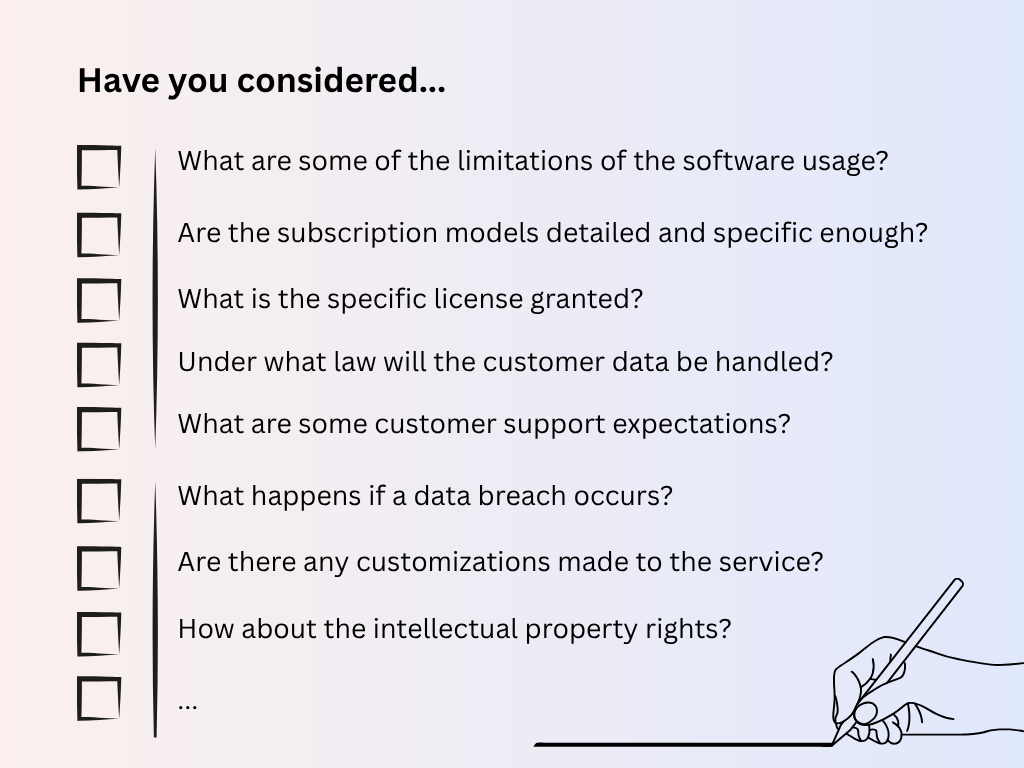
In addition, there are many legal AI tools on the market that can help. If you want to ensure your SaaS agreement is legally binding, effective, and tailored to your specific business needs, DocLegal.AI is here to help. As an AI-powered generation tool, DocLegal.AI allows you to create customized SaaS agreements and other legal documents with ease, ensuring that you’re always compliant and protected. Please see here for a SaaS agreement template and how DocLegal may help.
Cease and Desist Letter: What It Really Means, When to Use It, and a Simple Template (2026)
Learn what a cease and desist letter really means, when to use one for IP theft, defamation, harassment or contracts, and how to create an effective notice. Simple 2026 template included.
Cease and Desist Letter: What It Really Means, When it is Effective, and a Simple Template (2026)
What is a Cease-and-Desist Letter?
At its core, it’s just a formal way of telling someone to stop. Not politely asking. Not hinting. Just clearly: stop doing this, and don’t do it again.
Most people assume it’s some kind of enforceable legal order. It’s not. You’re not forcing anyone to comply just by sending it.
But here’s the part that matters—once it’s sent, the situation changes. It’s no longer informal. There’s a record. There’s intent. And if things escalate later, that moment becomes relevant.
In other words, it’s less about power and more about positioning.
It should be distinguished from a Cease-and-Desist Order.
A cease-and-desist letter is a formal written demand, usually drafted by an attorney (but not required), sent by one party (individual or business) to another. It is not binding and simply serves as a way of warning.
A cease-and-desist order an official directive issued only by a court (as a preliminary or permanent injunction) or a government/administrative agency (e.g., FTC, SEC, NLRB, or state regulators). It specifically orders the recipient to stop the prohibited conduct. It is fully binding and enforceable. Below is a quick comparison chart in the context of US:
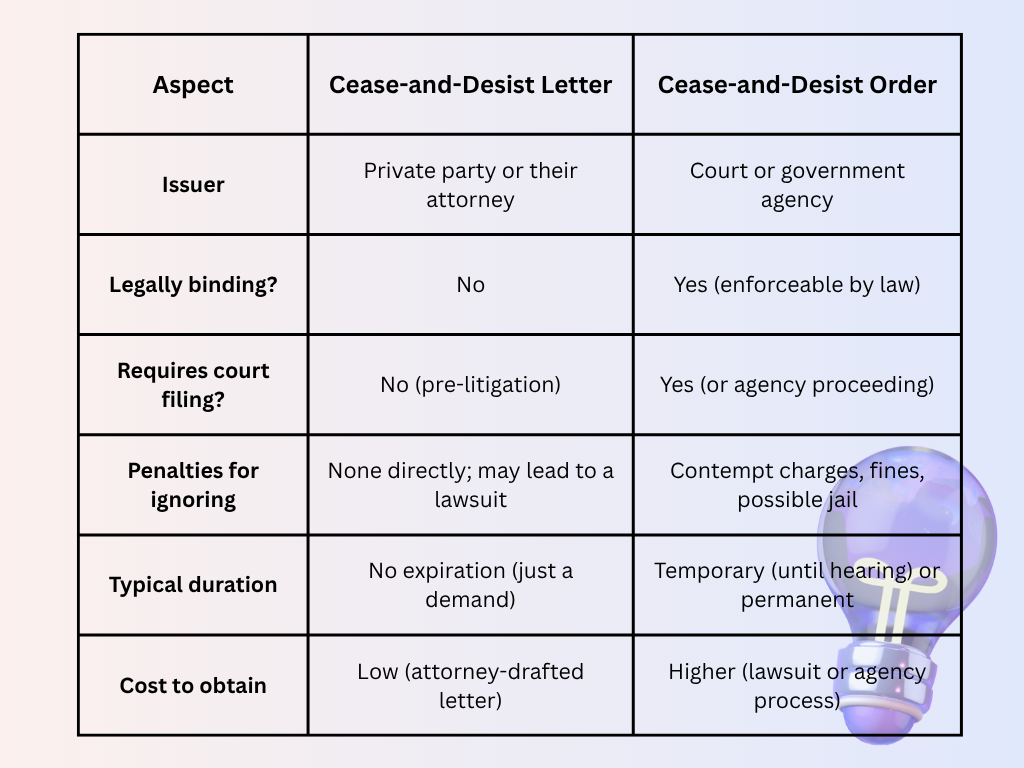
What are Some Situations Such Letter is Needed?
You’ll see cease and desist letters mentioned everywhere, but a few scenarios show up far more than others.
Someone is using your work without permission
This could be copied content, reused images, or branding that’s a little too close to yours.
It doesn’t always start as malicious. But if it continues after you’ve noticed it, that’s usually when a letter makes sense.
Someone is saying things that hurt your reputation
This one gets complicated quickly.
Not every negative comment is a legal issue. But if statements are clearly false and damaging, a cease and desist letter is often the first step before doing anything more serious.
Ongoing harassment
When communication crosses the line from annoying to persistent and unwanted, having a written demand to stop becomes important.
It’s not just about stopping the behavior—it’s about documenting that it was addressed.
A contract is being ignored
If there’s already an agreement in place, things are more straightforward.
You’re not arguing about what’s “fair.” You’re pointing to something that was already agreed to.
That could be:
- Confidentiality terms
- Payment obligations
- Usage restrictions
Payment problems
This is more common than people expect.
At some point, repeated reminders stop working. A cease and desist letter shifts the tone from “following up” to “this needs to be resolved.”
When is the Cease-and-Desist Letter Effective?
A lot of templates make this seem mechanical. It’s not. You’re trying to do two things at once:
- Be clear enough that there’s no confusion
- Be measured enough that it doesn’t escalate unnecessarily
Most solid letters include:
- Who’s involved
- What happened (with specifics)
- Why it’s a problem
- What needs to stop
- A timeframe
- What happens if it doesn’t
But structure alone isn’t what makes it work. Tone does a lot of the heavy lifting. Here is a few do’s and don’ts.
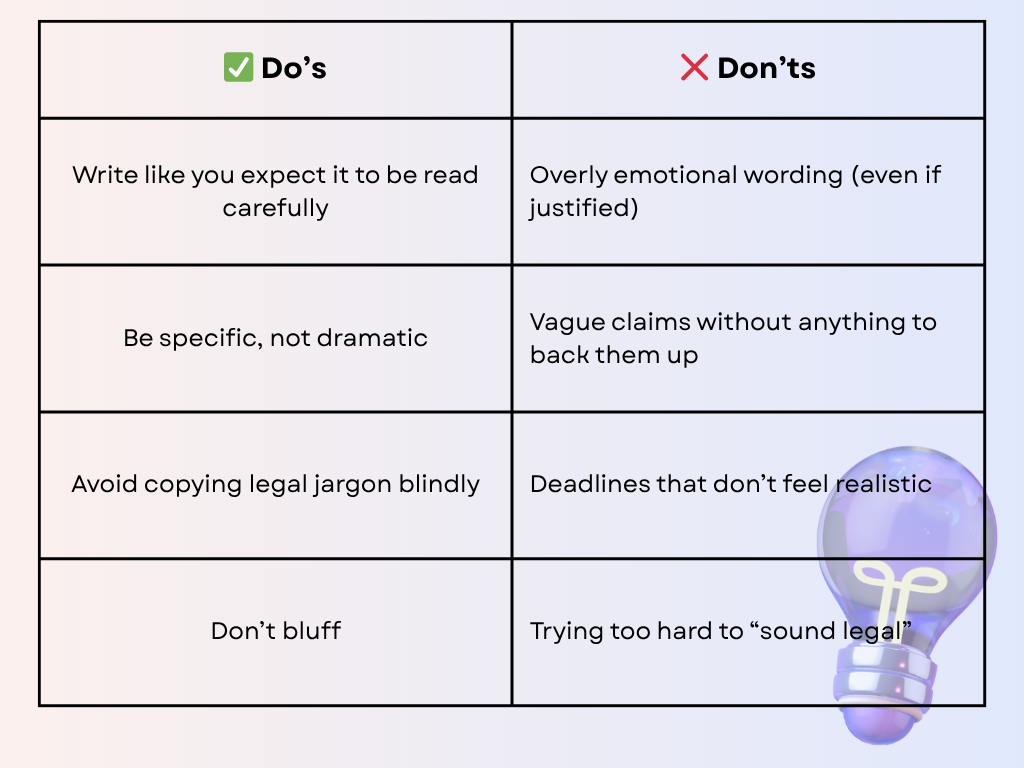
What Happens Next After?
It depends.
- Sometimes the person just complies and that’s the end of it.
- Sometimes they respond, and it turns into a short negotiation.
- Sometimes nothing happens.
At that point, you decide whether it’s worth pushing further. Not every situation is.
Do you actually need a lawyer?
Not always. A lot of people handle these on their own, especially for straightforward issues.
That said, there’s a noticeable difference between something that’s technically correct and something that’s convincing. If the stakes are higher, legal input helps. If not, having a solid structure to work from is usually enough.
How to Get a Cease-and-Desist Letter?
If you’ve ever tried writing one from scratch, you’ll know it’s not the easiest thing to get right.
That’s where tools like DocLegal.AI come in—not to replace judgment, but to give you a reliable starting point. Instead of figuring out structure and wording at the same time, you’re mostly focusing on the facts of your situation.
It’s especially useful if:
- You deal with similar issues more than once
- You want consistency across documents
- You don’t want to second-guess formatting or structure.
If you’d rather not start from zero, you can use Doclegal.ai - AI legal document generator for a customised Cease and Desist Letter.
Final thought
A cease and desist letter isn’t about winning a case. It’s about changing the direction of a situation early—before it becomes something bigger. Sometimes that’s enough. Sometimes it isn’t. But when it works, it saves a lot more than just time.

How is Trademark Important for Business Success
Protect your startup from brand theft and confusion. Learn essential IP strategies including trademark searches, federal filing, and digital asset security to gain competitive advantage, generate revenue, and boost valuation.
How is Trademark Important for Business Success
Trademark is important for business, especially start-ups, because the consequence can be devastating.
Imagine this: you are a start up company named “AI helper.” You have a great business acumen and your company is taking off. One day, some other person registered a company named “AI helper pro.” Some of your customers mistakenly thought this is also your business, and registered for their service. However, the quality of their service is bad, and your customers are disappointed in your business. You tried to explain to them, but you already started losing your customers. What’s worse is that the imposter company “AI helper pro” actually has trademark protection, and they’re now suing you for infringement.
How to avoid this from happening? There are several things you can do:
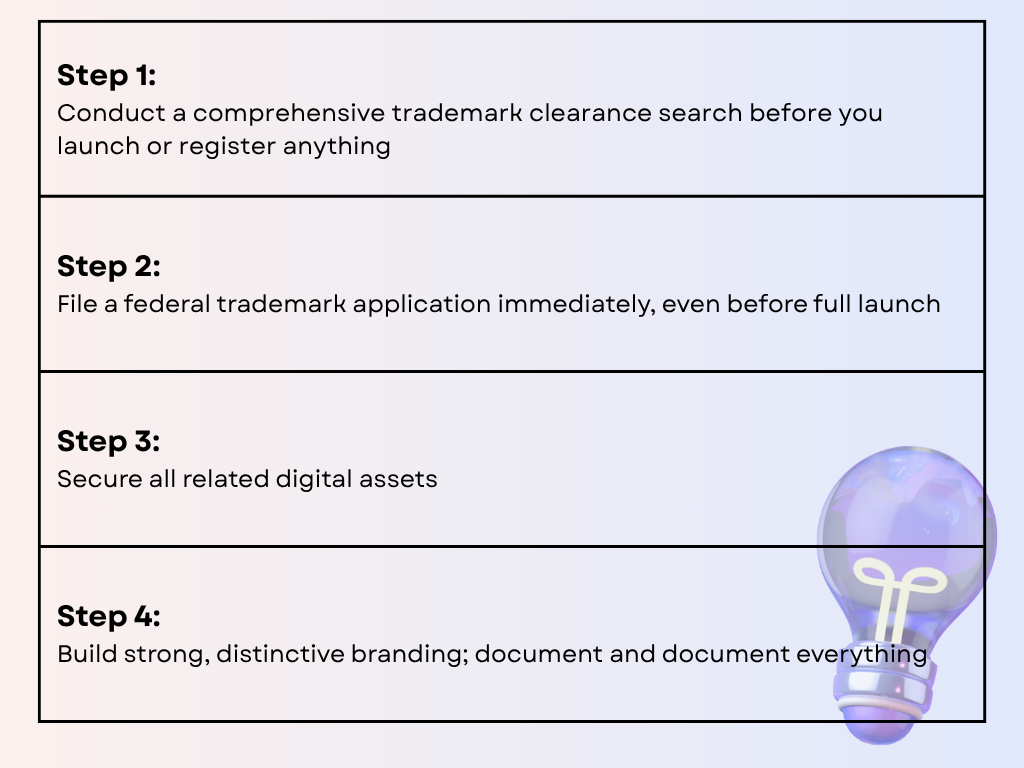
Step 1: Conduct Comprehensive Clearance Search
Never just pick a name and run with it. You may do this the the moment you narrow down the name:
- Search the USPTO Trademark Electronic Search System.
- Check state business registries and common law uses (Google, social media, app stores, industry directories, domains).
- Run a full professional search that includes pending applications, common-law users, and international risks
If you need further information on how to conduct clearance searches or how to use copyrighted materials without permission lawfully, check here.
Step 2: File a Federal Trademark Application Immediately
Federal registration gives you nationwide exclusive rights in your field.
- File an Intent-to-Use (ITU) application with the USPTO as soon as you have a bona fide plan to use the name in commerce. This gives you priority dating back to the filing date and blocks others from registering similar marks.
- Prioritize your exact company name, logo, and tagline. Cost: $250–$350 per class (online filing).
- Once approved, use the ® symbol (registered) or ™ (common-law claim) on everything.
Now, imposters could not register later without your consent, and you could easily oppose or sue them first to avoid confusion.
Step 3: Secure All Related Digital Assets at the Same Time
- Grab the exact domain (e.g., aihelper.com), social handles (@aihelper on X, Instagram, TikTok, etc.), and app store names before going public.
- Register variations and common misspellings to prevent typosquatting.
- File state business entity/ DBA papers after the trademark search (state registration is cheap but secondary)
Step 4: Build Strong, Distinctive Branding and Document Everything
- Use ™ on all marketing from day one.
- Keep records of first use in commerce (website launch dates, customer invoices, ads).
- Train your team and contractors with IP assignment agreements so you own everything they create.
- Set up Google Alerts, USPTO watch services, and brand-monitoring tools for similar names.
- If confusion appears (as in your scenario), send a cease-and-desist letter immediately via an attorney—most copycats fold without a fight. Do not ignore it.
Why protecting your own trademark matters for business success
Strong IP protection turns creative ideas and innovations into enforceable business assets. Below are some reasons that you should take it seriously:
- It gives you competitive advantage and market differentiation: as we know, IP prevents competitors from copying your products, processes, brands, or creative works. This allows pricing power, customer loyalty, and barriers to entry.
- It can generate revenue: businesses can license their IP (e.g., patent licensing fees or trademarks franchises) for ongoing income without selling physical goods. In that case, you will need to draft an IP assignment agreement. Check out some of the templates here.
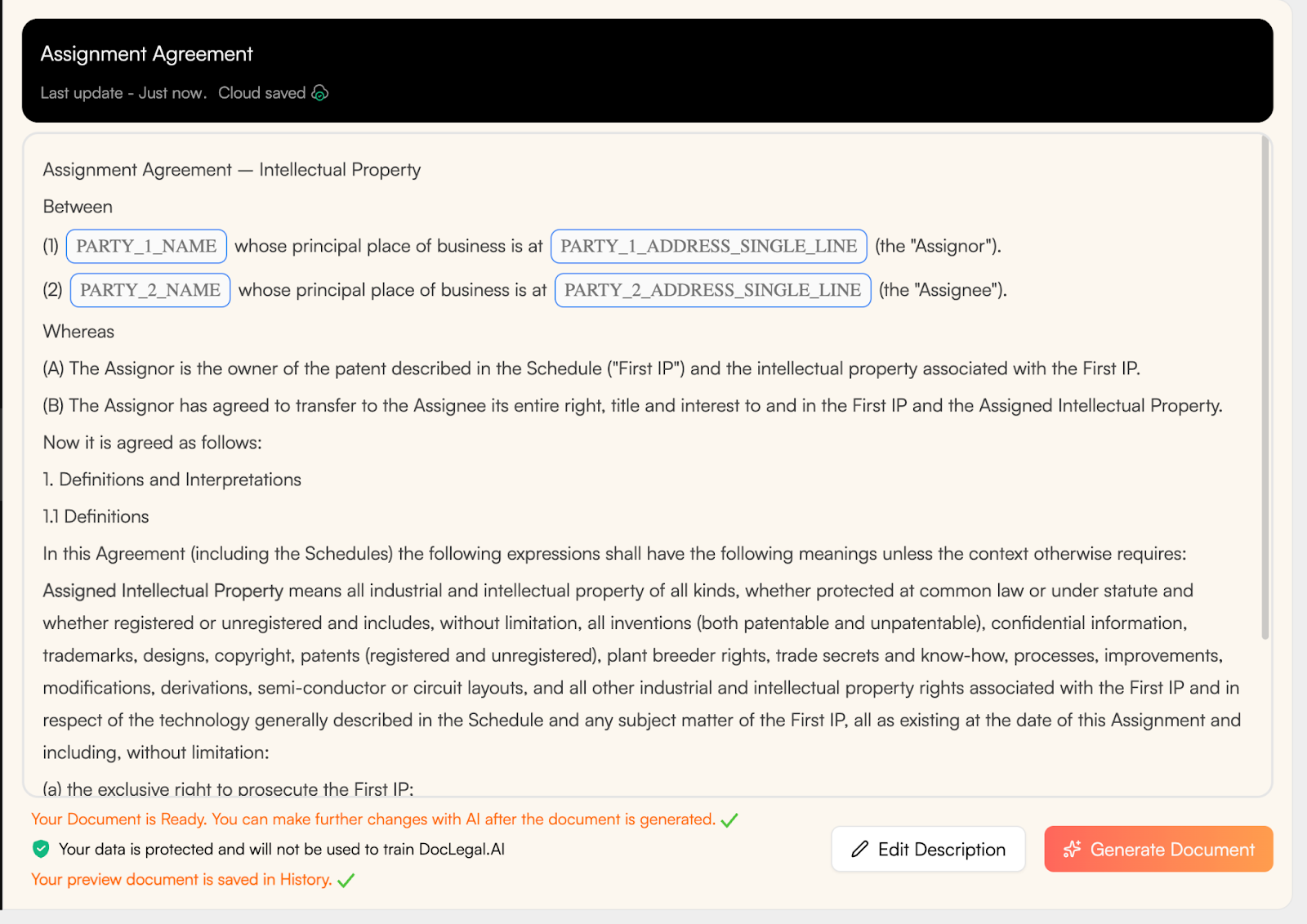
- It relates to your valuation, funding and growth: investors and acquirers view registered IP as a sign of strategic maturity. Startups with strong IP portfolios are significantly more likely to attract venture capital, secure loans, or achieve high valuations in mergers/acquisitions.
Start defending your IP today with DocLegal.AI! Click here to learn more about our services and pricing. Limited offer awaits.

What is Intellectual Property (IP) and How to Protect it?
Learn how to protect your IP, spot infringement, use fair use defenses, and perform quick clearance searches. Essential 2026 guide for creators and businesses
What is Intellectual Property and How to Protect it?
Intellectual property (IP) refers to creations of the human mind: intangible assets that have value because they result from creativity, innovation, or ingenuity. It includes inventions, literary and artistic works, designs, symbols, names, and images used in commerce. The core idea is that these creations deserve legal protection, similar to how physical property (like land or a car) is protected from theft or unauthorized use.
Similar to any other property, IP can be bought, sold or licensed, both domestically and internationally. Owners can sue for infringement (copying, selling fakes, etc.) and seek damages, injunctions, or seizure of counterfeit goods.
However, IP rights are not absolute: there are several limitations of such rights. For example, fair use exceptions allow limited copying for purposes like education and criticism, and after the protection period ends, the work enters the public domain where anyone can use it freely.
In this article, we will discuss what is IP, what constitutes IP infringement and how to avoid it. Click here to see how this is important for your business success.
What are some examples of IP?
There are several primary categories of IP. The exact rules may vary slightly by country, but these categories are: copyrights, patents, trademarks, and trade secrets.
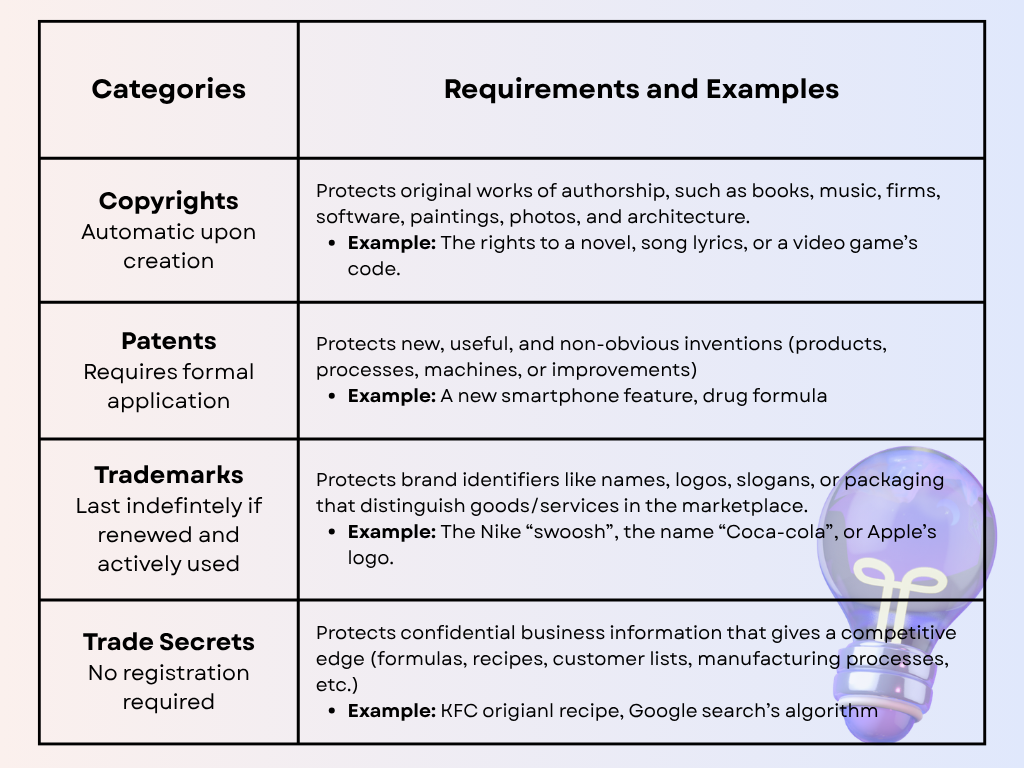
In addition, different types of IP have different durations. For example, the duration of copyrights is usually the creator’s life plus 70 years, the duration of a patent is typically 20 years from the filing date, and the protection of trade secrets lasts as long as the information remains secret.
Can I use someone’s IP?
Generally, no. You cannot use someone else’s IP without their permission. That will be IP infringement, and it may lead to lawsuits.
However, there are some situations where you can legally use it without permission.
Using copyrighted material
The primary way to use copyrighted material without permission is fair use under Section 107 of the Copyright Act. It will not be infringement if your use qualifies:
- Purpose and character of the use (including commercial vs. nonprofit/educational) — Favors transformative uses that add new meaning, expression, or message (e.g., criticism, parody, commentary). Nonprofit/educational uses are more likely to qualify than purely commercial ones. Recent cases (as of 2025–2026) have held that using lawfully acquired copyrighted works to train AI models can qualify as highly transformative fair use when the output does not substitute for the original.
- Nature of the copyrighted work — Creative/fictional works (e.g., novels, songs) get stronger protection than factual ones (e.g., news articles).
- Amount and substantiality of the portion used — Less is better; using the "heart" of the work hurts your case. However, even the entire work can sometimes be fair if necessary for the purpose.
- Effect on the potential market — Does your use harm (or potentially harm) the owner's sales or licensing market? This weighs heavily against fair use if it acts as a substitute.
Using trademarks
You may use another’s trademark without permission under these judge-made and statutory defenses if it does not cause consumer confusion about source or sponsorship:
- Nominative fair use: Using the mark only to refer to the owner's actual goods/services (e.g., "We repair iPhones" or comparative advertising).
- Requirements: (1) The product/service isn't easily identifiable without the mark; (2) You use only as much as reasonably necessary; (3) Nothing suggests sponsorship/endorsement by the owner.
- Descriptive (classic) fair use: Using the mark in its descriptive sense (not as a brand identifier) and in good faith (e.g., describing your own product as "apple-flavored" even if someone owns "Apple" for computers).
- Parody as fair use: Humorous or satirical commentary that pokes fun at the brand, as long as it doesn't confuse consumers or dilute the mark.
Using patents and trade secrets
Patents has extremely narrow experimental use exception, and it rarely applies. It covers uses done solely for amusement, curiosity, or philosophical inquiry—not for commercial purposes, testing for market readiness, or refining an invention to sell it.
Trade secret protection ends if the information becomes public or is discovered lawfully.
Important to note
- These exceptions are defenses only—you bear the risk and cost of litigation.
- They do not apply if you had a contract (e.g., NDA, license terms) prohibiting the use.
- Commercial or large-scale use is far less likely to qualify.
- AI-generated content based on IP can still trigger claims if not transformative.
How do I know it is someone’s IP?
To determine if something is someone else’s IP, you need to perform a “clearance search”. There is no single universal database that covers every possible right worldwide (IP is territorial), but you can check the major public records and look for quick visual or practical indicators. This is relatively easy, and you do not need a lawyer.
Quick practical indicators
- Looking for legal symbols or notice on the item itself:
- © (copyright notice) + year + owner name.
- ® (registered trademark) or ™ (common-law trademark claim).
- "Patent No." or "Pat. Pending" + number (on products, packaging, or labels).
- Watermarks, credits, or "All Rights Reserved" on images/text.
- Check the source: Visit the website/app where you found it and read the Terms of Use, Copyright Policy, or License (e.g., Creative Commons).
- Assume modern creative works are protected: In the U.S., almost everything created after 1928 (books, articles, photos, music, code, videos) is automatically copyrighted by the creator or their employer—no registration required. Protection lasts for the author's life + 70 years (or 95–120 years for corporate works). Only works explicitly in the public domain or under a free license are safe to copy freely.

Type-specific search steps (for US)
1. For copyrights (books, articles, images, music, videos, software, etc.)
- Go to the U.S. Copyright Office Public Records Portal
- Search by title, author, claimant/owner, or registration number (covers 1978–present; older records are also available).
- For images specifically: Use reverse image search tools:
- In Google Images or TinEye, upload the image or paste its URL to find the original source and owner.
- Check EXIF metadata (right-click image → Properties on Windows, or use online tools like Jeffrey's Image Metadata Viewer).
- Limitation: Not all works are registered, so absence of a record doesn't mean it's free to use.
- For a more comprehensive introduction and guide of copyrights clearance search, please refer here.
2. For patents (inventions, processes, machines, designs)
- Use the USPTO Patent Public Search
- Search by keyword, patent number, inventor, or assignee (owner).
- To check current ownership: Go to Patent Assignment Search, this shows if the patent was sold, licensed, or transferred.
- Quick tip: Google Patents is a user-friendly alternative that includes international patents too.
- For a more comprehensive introduction and guide of patent clearance search, please refer here.
3. For trademarks (brand names, logos, slogans, packaging)
- Search the USPTO Trademark Search system
- Use Basic Word Mark Search or Advanced options; it shows live registrations, pending applications, and owner details.
- For logos/designs: Use the image-search capabilities or filter by design codes.
- Trade secrets are not publicly searchable; if you encounter something confidential, you should already know it’s protected.
- For a more comprehensive introduction and guide of trademarks clearance search, please refer here.
If you have any doubt, Doclegal.ai provides an introduction and a guide to IP, including free templates that you may use in your business. Click here to check it out.
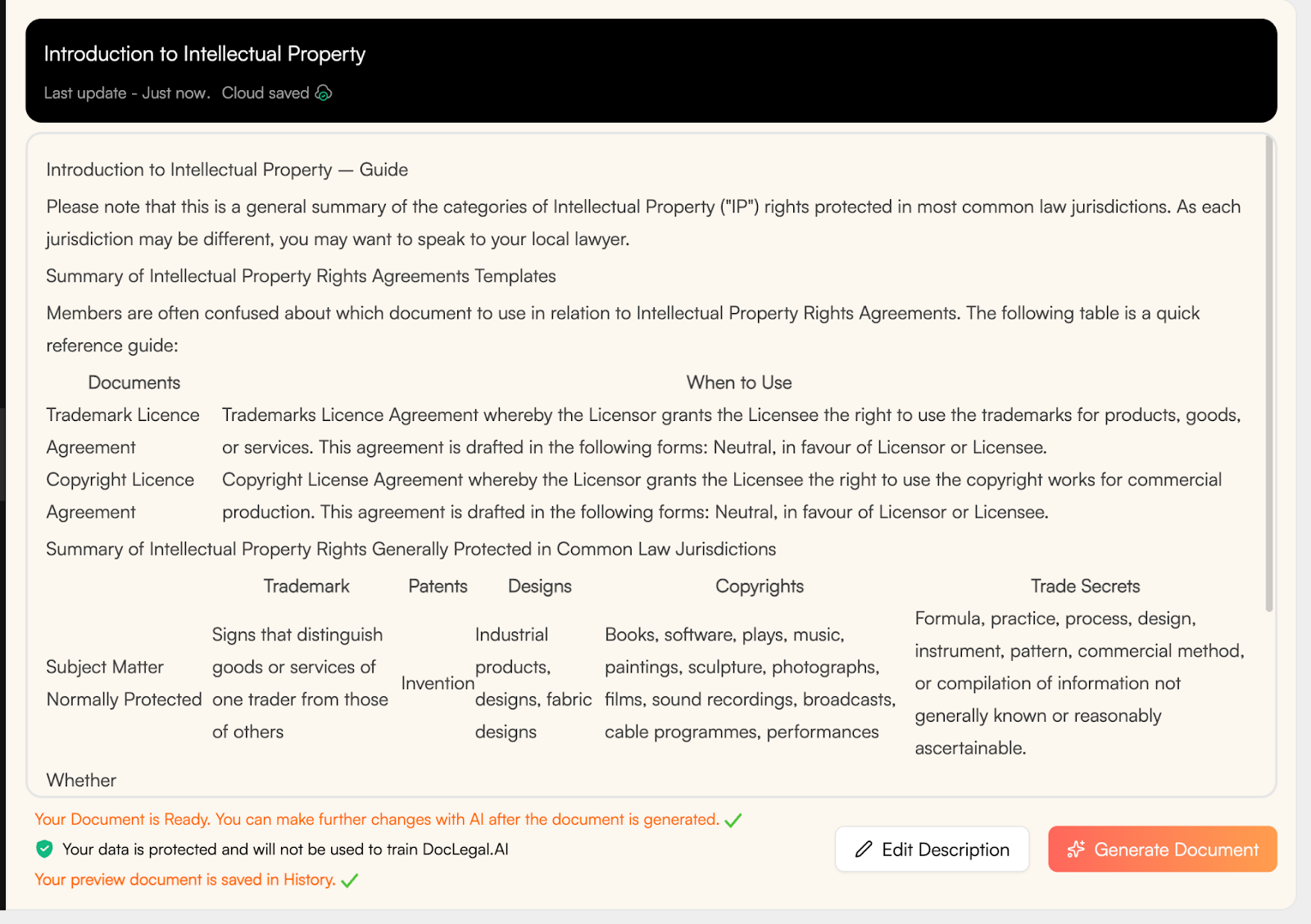

Which Legal Document Is Required for Private Car Sale?
Bill of Sale for Private Car Sale | Free Lawyer-Vetted Template
Which Legal Document Is Required for Private Car Sale?
Selling a car privately? A Bill of Sale is a key legal document you should sign with the buyer to protect yourself from future risk.
Key Takeaways:
- Bill of Sale records the transfer of title and protects the seller and buyer
- It should be signed by both the buyer and seller to make it enforceable
- It is not always required by law. Check state requirements if mandatory by law.
- A Sample Car Bill of Sale Form template is included at the end
Private car sales are common: listing a vehicle, agreeing on a price, and arranging payment and handover often feels straightforward. It’s important to cover the potential risk that can arise after the deal is “done.” Hence, Bill of Sale becomes an essential legal doc for private care sale transactions.
Bill of Sale protects the seller as:
- It documents the sale transaction and serves as the evidence of the transaction
- Record the the terms of sale including the sale price
- Most importantly records the transfer of title of the car to the other party including the date of the title transfer
Let’s see how Bill of Sale can help a seller in real life scenarios:
- Accident Immediately After Car Sale:
The seller receives payment, hands over the keys and documents, and considers the deal complete. Just minutes later, the buyer gets into an accident that destroys the car. The buyer then disputes the transaction, claiming the sale was not finalized.
Tip: A signed Bill of Sale establishes the exact time of transfer and protects the seller from liability.
- Traffic Violations After Sale:
After selling the car, the seller starts receiving traffic fines, parking tickets, or even penalty notices linked to the vehicle.
Tip: The Bill of Sale is evidence that the seller no longer owned the vehicle at the time of the violations.
- Payment Dispute or Chargeback Claim:
The buyer takes possession of the car but later claims they never agreed to certain terms or initiates a payment reversal (e.g. cheque bounce).
Tip: The Bill of Sale documents the agreed price and other terms of sale.
Do I need a lawyer to draft a Bill of Sale for Car?
No, you don’t need a lawyer to write a bill of sale for your car transaction. There are various online Bill of Sale forms available, which you can use. It is essential that you choose the Bill of Sale form that is approved by a lawyer and includes the essential key elements listed below.
Bill of Sale form must include:
- Vehicle Description
- Full Purchase Price + Payment Method
- Seller Warranty regarding ownership and condition of the vehicle
- Buyer confirmation on vehicle inspection
- Disclosure from the seller of any liens or encumbrances on the vehicle
- Odometer reading, especially if required by state laws
- Any other terms of sale agreed by the parties
- Signature block for both seller and buyer with date
Who signs the Bill of Sale?
Both Seller and Buyer should sign the bill of sale document.
When to Sign the Bill of Sale?
It is ideal and more convenient to have both parties sign at the time payment is made and car keys are handed over. Once the payment and car key handover process is complete then there is little incentive for the parties to sign a document.
Why Choose Doclegal.ai’s free Bill of Sale template?
Doclegal.ai is the best value legal AI tool that is developed by legal professionals and provides instant access to 2800+ legal templates and the ability to upload your own legal contracts for AI review and customization. It may also assist you in understanding the contract before you sign.
- Motor Vehicle Bill of Sale Template You can trust: This template is vetted by a legal professional so you can use it with confidence.
- Easily Customizable: Simply copy, paste, and tailor the Bill of Sale form using AI with clear, simple prompts. There is no legal expertise required to use Doclegal.ai
- Affordable: You can generate any AI legal document using Doclegal.ai starting from USD 10/month
- Secure : Doclegal.ai is 100% secure and your data is never used for AI training.
Free MOTOR VEHICLE BILL OF SALE
This Bill of Sale is made on [Date], between:
Seller:
Full Name: ________________________________
Address: _________________________________
Buyer:
Full Name: ________________________________
Address: _________________________________
1. VEHICLE DESCRIPTION
The Seller agrees to sell and the Buyer agrees to purchase the following vehicle:
- Year:
- Make:
- Model:
- Colour:
- Vehicle Identification Number (VIN):
- Registration Number:
The above vehicle (the “Vehicle”) is as further described in the official records of the [Jurisdiction] Vehicle Registry.
2. PURCHASE PRICE & PAYMENT TERMS
Option A – Full payment
The total purchase price of the Vehicle is [Currency] [Amount]. The Buyer has paid the full purchase price of [Currency] [Amount] in a single payment to the Seller on [Date] via ☐ Cash ☐ Bank Transfer ☐ Cheque ☐ Other: _______
Option C – Instalment / Deferred Payment:
- Total Price: [Currency] [Amount]
- Deposit Paid: [Currency] [Amount] on [Date]
- Remaining Balance: [Currency] [Amount]
- Balance Due Date: [Date]
- Payment Method: __________________
3. TRANSFER OF OWNERSHIP
Ownership of the Vehicle shall transfer to the Buyer:
☐ Upon full payment
☐ Upon signing of this agreement
☐ Other: __________________
Risk of loss passes to the Buyer upon: __________________
4. SELLER WARRANTIES
The Seller represents and warrants that:
- The Seller is the lawful owner of the Vehicle
- The Vehicle is free from all liens and encumbrances
OR (if applicable):
The Vehicle is subject to the following encumbrances: __________________
The Seller agrees to discharge all such encumbrances by [Date]
5. CONDITION OF VEHICLE
Option A – “AS IS” Sale (Most Common):
The Vehicle is sold “AS IS”, with no warranties or guarantees, express or implied, including but not limited to condition, performance, or fitness for purpose.
Option B – Limited Warranty (Optional):
The Seller warrants the Vehicle as follows: ___________________________
6. BUYER ACKNOWLEDGEMENTS
The Buyer confirms that:
☐ The Buyer has inspected the Vehicle and accepts its condition
☐ The Buyer has had the Vehicle independently inspected by: __________________
☐ Inspection report is attached (if applicable)
7. Odometer Reading
The odometer reading of the Vehicle is: [Number]
The Seller certifies that, to the best of their knowledge, this reading is the actual mileage
8. ADDITIONAL TERMS (OPTIONAL)
Include any additional agreed terms:
9. SIGNATURES
Seller:
Signature: ________________________________
Name: ___________________________________
Date: ___________________________________
Buyer :
Signature: ________________________________
Name: ___________________________________
Date: ___________________________________
Tips:
- This document serves as proof of sale and transfer of ownership
- Always attach:
- Copy of ID (Seller & Buyer)
- Vehicle registration
- Inspection report (if any)
- Check local laws for Odometer Declaration Statement requirement and notarization
Click here to [Edit Bill of Sale Form]

Employee Separation Letter Guide For 2026
Use our Employee Separation Letter 2026 template and compliance checklist to make the process simple, and protect your business from disputes.
Employee Separation Letter Guide For 2026
Morgan Stanley lays off 2500 employees across its major divisions. The affected employees now will undergo a separation process guided by the HR policy of Morgan Stanley
The affected employees will receive an employment separation notice or termination letter, which serves as a form record of the separation and provides guidance on the next steps including the rights and responsibilities of the employee.
This guide provides information on the employee separation letter, covering the types of employment separation, essential requirements, and employee separation letter template you can use and customise today
What is a Separation Letter for an Employee?
A separation letter for an employee is a formal notice that is issued by the employer to confirm the end of an employment relationship. It provides a record of the:
- Last day of employment
- Reason for separation
- Final paycheck details and benefits
- Instructions for returning company property
- Acknowledgement by Employee
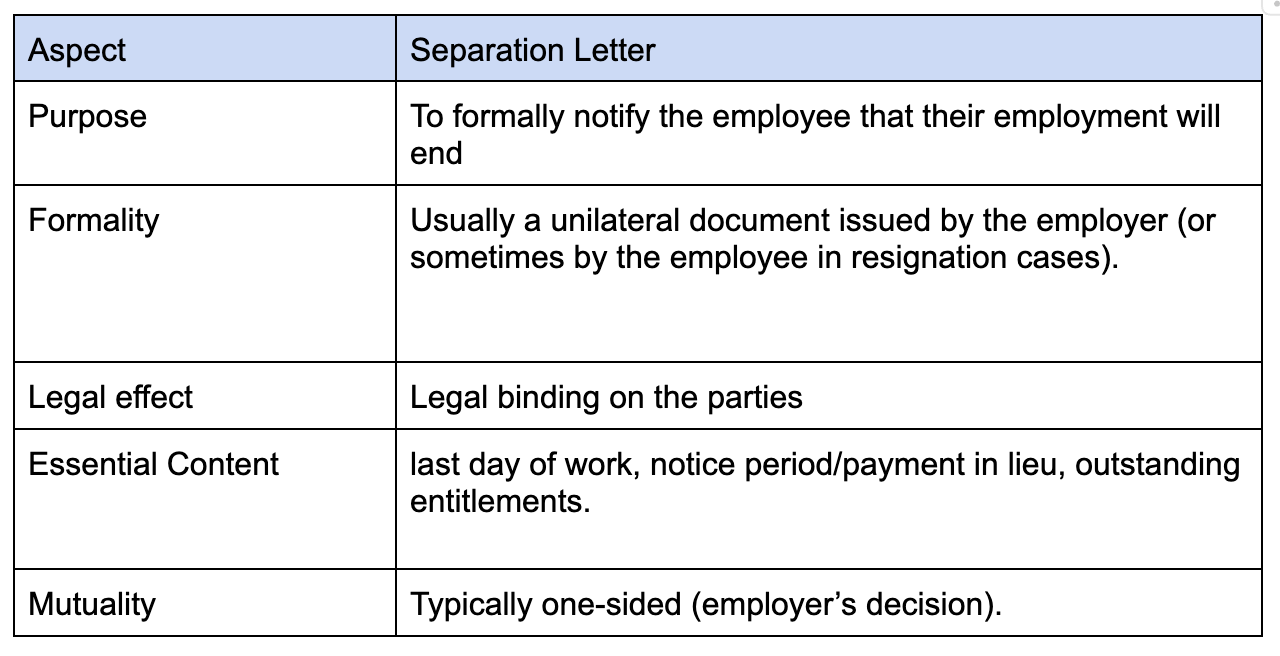
Two Types of Employment Separation
There are two types of Employment Separation: Voluntary and involuntary Separation of Employee
Voluntary Employment Separation : Voluntary separation occurs when the employee self chooses to end the employment. This process is self initiated by the employee.
Common forms of voluntary employment separation are: employee resignation, retirement, choosing not to renew a fixed term contract.
The key document in voluntary employment separation is the written resignation letter from the employee, which acts as a record that the termination was self initiated rather than fired or forced out by the employee.
Involuntary Employment Separation: Involuntary separation occurs when the employer makes the decision to terminate the employment. This process is initiated by the employer on the following two grounds:
- Termination of Employment For Cause (Poor Performance or Misconduct)
This occurs when an employee has failed to meet the expected performance standards or has violated the company policy (e.g. harassment etc.)
- Termination of Employment Due to (Restructuring, Layoff, Redundancy)
The employee is dismissed by providing a required notice or payment in lieu of notice without needing a specific reason for termination This occurs when an employee is no longer needed due to downsizing or restructuring.
When is a Separation Letter Required?
Employer must issue a separation notice or separation letter to the employee in the following situations
- Resignation - confirm the final working day and notice period
- Lay off
- Mutual Separation
- Termination for reasons such as poor performance, misconduct etc
My client in sustainability business in Hong Kong had the most commonly asked employee separation enquiry:
“One of our employees has significant skill gaps, poor collaboration with the team, and has entered a ‘complaint loop’ where every resolved grievance was immediately replaced by a new one, consuming all of management's time without any performance improvement. We need guidance on employee separation.”
(a) Is it okay to skip the Performance Improvement Plan and request a "Mutual Separation"?
My response: Yes, it is legally permissible to skip the PIP and propose a mutual separation, but the process must be consensual and well-documented to avoid later disputes.
A “mutual separation” is essentially a termination by mutual agreement, often documented in a settlement agreement. If properly executed, it can validly end the employment without following a PIP process. The key is that the employee must genuinely agree to the arrangement, and for the employer to prepare a mutual separation agreement covering:
- Last day of employment
- Final payments (including accrued entitlements)
- Waiver of claims
- Confidentiality and return of company property
(b) Does the employee need to serve a notice period if we agree on mutual separation?
My response: The parties can mutually agree to waive notice entirely.
- If parties mutually agree to waive, no notice is required.
- If the parties do not agree to waive the notice period, then the contractual / statutory notice period applies.
How to write a Separation Letter?
1. Before Drafting, key Legal Considerations for Employee Separation Letter are:
- Check the employment contract and confirm the notice period and termination provisions
- Avoid unlawful dismissal i.e. ensure the reason for termination is not prohibited (e.g., pregnancy, paid sick leave, trade union activities).
- Ensure compliance with local law requirements (e.g. final wages and statutory entitlements)
2. To be valid and reduce dispute risk, the employee separation letter template should clearly cover:
- Date of the letter
- Employee’s full name and position
- The statement of termination i.e. clearly states that the employment will end.
- Specify Last working day
- Specify the Notice period or payment in lieu: state whether notice is being served or wages in lieu will be paid (as per contract or statutory minimum).
- Final payments: mention that outstanding wages, accrued annual leave pay, and any other entitlements will be settled within # days after the termination date in accordance with the applicable laws).
- Require the Return of company property i.e. return of keys, devices, documents
- Confidentiality reminder: restate ongoing obligations if any
- Contact point: who to contact for HR or payroll queries.
- Signature of employer’s authorised representative.
- Acknowledgement section: for the employee to sign to confirm receipt (not mandatory for validity, but useful for records).
- Reference to mutual separation agreement: if the letter is part of a negotiated exit.
Sample Template Letter of Separation For Employee No longer needed
(Employer Letterhead)
[Employer Name]
[Address]
[Telephone] | [Email]
Date: [Date]
Dear [Employee Name]
Re: Notice of Redundancy
We regret to confirm that your position has been made redundant due to [Reason]
Please select and retain one of the following options:
Option A – Work Notice
You will be required to work your notice period. During this time, you may take reasonable paid time off to look for alternative employment or attend job interviews, subject to your manager’s agreement. Your final day of employment will be: [Date]
Option B – Payment in Lieu of Notice
Your employment will terminate on [Date]. You will not be required to work your notice period and the organisation will make a payment in lieu of notice to you.
Option C – Garden Leave
You will not currently be required to work during your notice period. However, you must remain available should the organisation require you to return to work during this period. You are entitled to a reasonable amount of paid time off to look for alternative employment or attend interviews, subject to your manager’s prior agreement.
Your final day of employment will be: [Date]
Untaken Annual Leave and other Contractual Entitlements
Any annual leave you have accrued but not taken at the end of your employment will be paid together with other contractual entitlements to you as part of your final salary payment.
Redundancy Payment
[Please select one of the following options]
Option A: Statutory Redundancy Payment
Due to your length of service, you are entitled to a statutory redundancy payment of [Amount], which will be paid to you with your final salary payment.
Option B – No Redundancy Payment
Due to your length of service, you are not entitled to a statutory redundancy payment.
Return of Company Property
You are required to return all company property in your possession. Please arrange to return these items to your manager or the HR department on or before your final day of employment. Failure to return company property may result in deductions from your final pay in accordance with applicable laws.
Right to Appeal
If you believe you have been selected unfairly for redundancy, you have the right to appeal the organisation’s decision.
Any appeal must be submitted in writing within [X] days of receiving this letter and should clearly state the reasons for your appeal. Appeals should be addressed to [Name / HR Department / Appeal Manager].
You will then be invited to attend an appeal meeting where the grounds of your appeal will be discussed and considered.
Support and Further Information
If you have any questions regarding this decision or the contents of this letter, please contact [your manager / HR department].
We understand that this may be a difficult time and we encourage you to make use of the support services available to you, including the Employee Assistance Programme.
Thank you for your contribution to the organisation, and we wish you the best for the future.
Yours sincerely,
[Employer Name]
[Position]
Acknowledgement of Receipt
Please sign below to acknowledge receipt of this notice of redundancy
[Employee Signature]
[Employee Name]
Edit Employee Separation Letter

Foreclosure Letter - A Complete Guide For HomeOwner
A foreclosure letter is a formal communication sent to your bank to initiate the prepayment of a loan. In this context, we are specifically discussing a home loan.The borrower initiates the foreclosure process by informing the bank of their intention to prepay the loan and requesting clarity on the required documents, forms, and procedures.
What is a Foreclosure Letter?
A foreclosure letter is a formal communication sent to your bank to initiate the prepayment of a loan. In this context, we are specifically discussing a home loan.
The borrower initiates the foreclosure process by informing the bank of their intention to prepay the loan and requesting clarity on the required documents, forms, and procedures.
What information to include in the Foreclosure Letter?
1. Address it to the Lender
The foreclosure letter should be addressed to your lender, typically the Bank Manager at the branch where your loan is maintained. Include the full branch address to ensure proper delivery.
2. Provide Your Loan Account Information
Clearly mention your loan account number and any other relevant identifiers. This information is essential to process your request efficiently. If you are attaching supporting documents, reference them in the letter.
For example, you can instruct: “A copy of the supporting document to validate the loan account number is attached as Annex A.” Tools like Doclegal.ai’s AI Contract Review can help automate this step.
3. Request Clarity on the Outstanding Amount Payable
The outstanding amount for foreclosure may differ from the total amount of EMIs paid so far. Request written confirmation from the bank of the exact amount needed to close your loan. This ensures there are no future disputes or misunderstandings.
4. Express Your Intention to Prepay the Outstanding Amount
Clearly state your intent to prepay the loan. This helps the bank initiate the foreclosure process and informs them to provide you with all necessary forms or instructions.
5. Request Information on the Next Steps
While foreclosure is a common procedure, each bank may have unique processes, fees, or documentation requirements. Request the bank to provide details about the next steps, including how and when your property documents will be returned after the loan is closed.
How to Write A Foreclosure Letter?
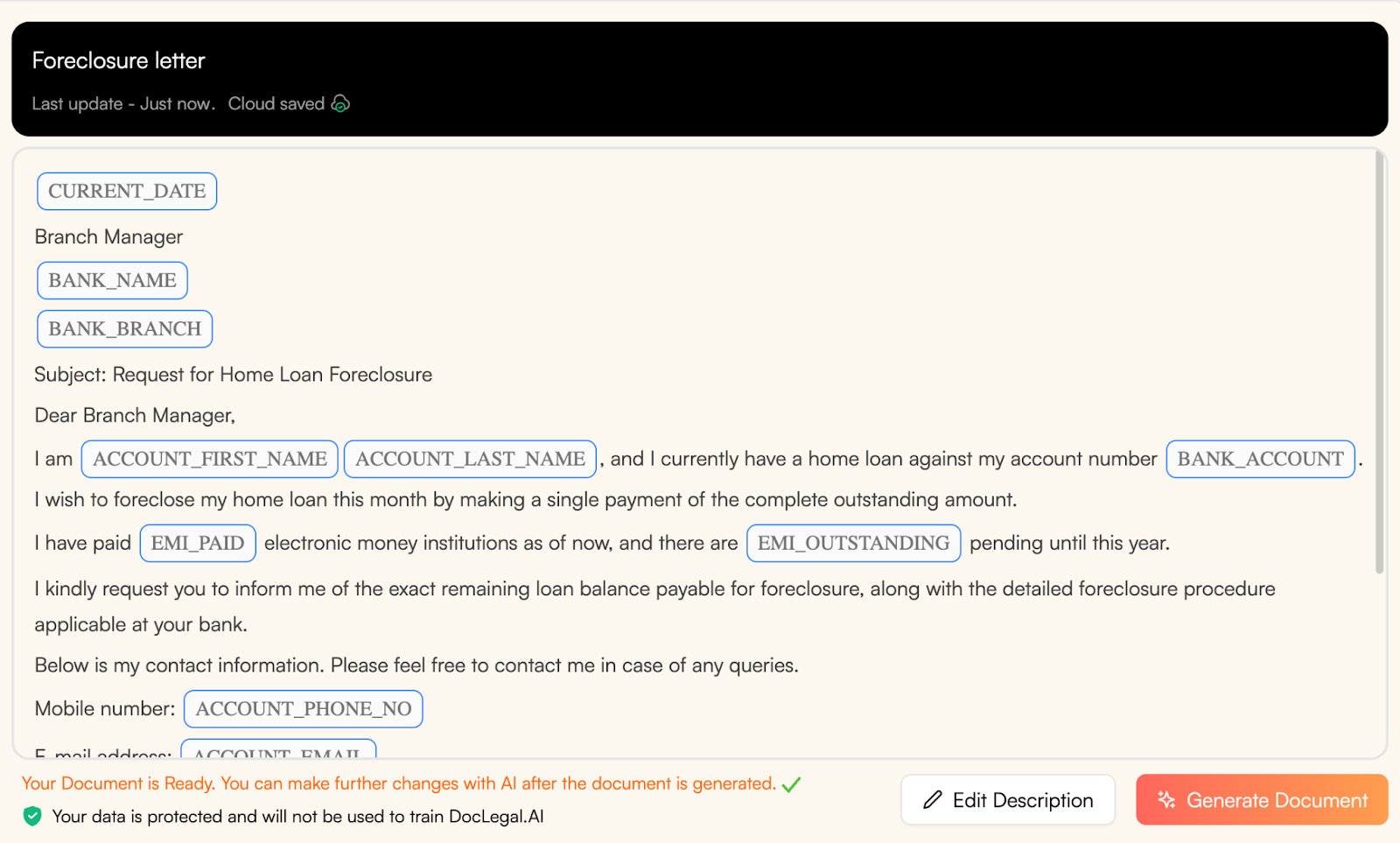
Begin the process by requesting for information on the forms needed to complete the process and communicating your intent to initiate the process and documenting the amount hat has been paid already.
Sample ForeClosure letter template - copy in Word
This document is not an AI generated document. It is vetted by a legal profession and is ready for your use.
How to Review and Edit the Foreclosure Letter with an AI Legal Tool?
With Doclegal.ai, your trusted AI Contract Review tool, you provide a simple prompt and let the chatbot make it ready for your circumstances. Just provide the placeholder details and see AI fill it in minutes. Need more modifications - just simply provide your instruction in plain language and let AI incorporate the language needed.
For instance, you know about the outstanding balance and instead want to initiate the request to issue you a No object Certificate and Return all documents submitted at the time of the loan approval.
Here’s how it works
- Ask Doclegal.ai to
- Download the customized ready to use Foreclosure letter in minutes
Doclegal.ai - AI Contract Review Tool
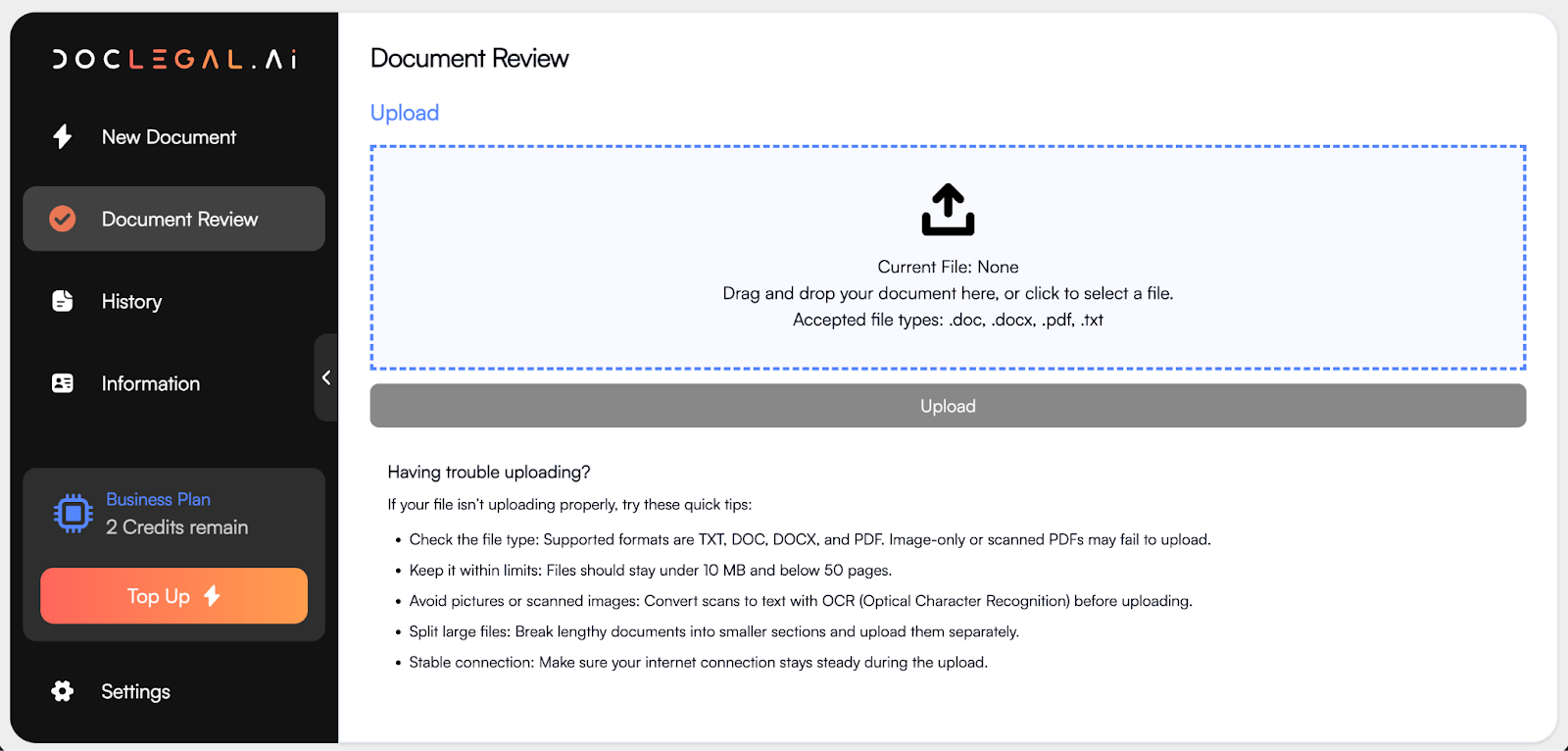
Common Questions Answered about Foreclosure
Q1: Can I foreclose a home loan before the tenure ends?
Yes. Early foreclosure is allowed but may include prepayment charges depending on your bank.
Q2: How long does foreclosure take?
Typically 7–15 business days after payment and submission of all required documents.
Q3: Will foreclosure affect my credit score?
No, as long as all dues are cleared. It may even improve your creditworthiness.
Q4: What documents do I need?
Usually: Loan account statement, ID proof, address proof, and any bank-specific forms.

How to Create Sale and Purchase Agreement with AI: Step-by-Step Guide
Streamline Your Sales Operations with DocLegal's Sales Document Generator
How to Create Sale and Purchase Agreement with AI: Step-by-Step Guide
A sales contract (also known as a sales agreement) is a legally binding written agreement between a seller (or supplier) and a buyer (or customer) that outlines the specific terms and conditions for the sale and purchase of goods, services, or both. It serves as an official record of what both parties have agreed to, making the obligations enforceable under law. Once signed (or otherwise accepted according to the contract’s terms), it protects each side by clearly defining expectations and providing a reference point if disagreements arise. A typical example is the Private Car Sale contract.
Some of the common elements of sales contracts include: parties involved, description of goods or services, price and payment timers, delivery or performance schedule, warranties and guarantees, risk of loss and title transfer, as well as return, refund, cancellation policies and liabilities.
How Can Sales Documents Accelerate Business Growth?
Having sale and purchase agreements is absolutely essential for running a successful business. They reduce misunderstandings, help prevent disputes, and provide legal protection for both sides.
1. Formalize Obligations of Parties — Sales contracts and other written documents serve as a written record of the expectations agreed upon by both parties. Once signed, they become legally binding and both parties can be held accountable for their obligations.
2. Increase Revenue — Professionally drafted contracts make processes more efficient and speed up business transactions. This increases client satisfaction, conversion rates and ultimately drives revenue growth.
3. Limit Liability and Protect Business Interests — Sales documents play a key role in limiting a company’s liability. The terms and conditions clearly outline payment terms, delivery schedules, return and refund policies to minimize risk and safeguard business interest.
4. Prevent Conflicts — Written business contracts provide a structured approach to business transactions. It ensures both parties have a clear understanding of their respective obligations. In the event of a dispute, these contracts include dispute resolution provisions such as arbitration or mediation, enabling businesses to avoid costs and complexities of litigation.
5. Foster Strong Customer Relationships — It is important to ensure all communication with customers and clients is professional and consistent to establish trust and foster long-term business relationships. Our AI-powered sales documents generator platform provides standardized business templates that reflect brand values while allowing customization for different scenarios.
How to Create a Simple Sales and Purchase Contract?
- Identify the parties: Clearly write the full legal names of the seller and buyer, plus their addresses (and company details if they are businesses).
- Describe the goods or services: Be specific: list exactly what is being sold (model numbers, quantities, descriptions, quality standards).
- Set the price and payment terms: State the total price, currency, deposit (if any), payment schedule, and acceptable methods (e.g., wire transfer, check). Include any taxes or fees.
- Outline delivery and performance: Specify when, where, and how the goods will be delivered (or services performed), who pays for shipping, and what happens if there are delays.
- Add key protections Include short sections on:
- Warranties (or “as-is” if none)
- Return/refund policy
- Risk of loss (when ownership transfers)
- Limitation of liability
- Include dispute resolution and governing law: State which state’s laws apply and how disputes will be handled (e.g., mediation first, then court in a specific county).
- Add signatures and date: Both parties (or their authorized representatives) must sign and date the contract. Electronic signatures are usually valid under U.S. law (ESIGN Act).
Common Questions
How specific does the description of goods or services need to be?
It needs to be very specific, and as specific as you can be. For example, if you are selling electronics, include model numbers and quality standards. If you are selling services, list exact deliverables and timelines. If your transaction is more complex (international services, software, etc.), the contract may need extra sections like confidentiality or termination clauses.
Does the contract need to be notarized or signed in a special way to be valid?
Usually, no. For most simple sales of goods and services, a written agreement with signatures is enough. Electronic signatures are legally valid in all 50 states under the ESIGN Act.
Do I need a lawyer to create a simple sales and purchase contract?
No. For low-value or straightforward contracts, there is no need to look for a lawyer. Templates online or AI-generated ones suffice.
Businesses can create legally compliant contracts, agreements, and transactional documents quickly with DocLegal.ai’s online sales documents generator. It offers a comprehensive legal template library, and is especially beneficial for sales teams, as it simplifies contract management, speeds up deal closures, and ensures that sales agreements align with business objectives. Here is a screenshot of such a document.
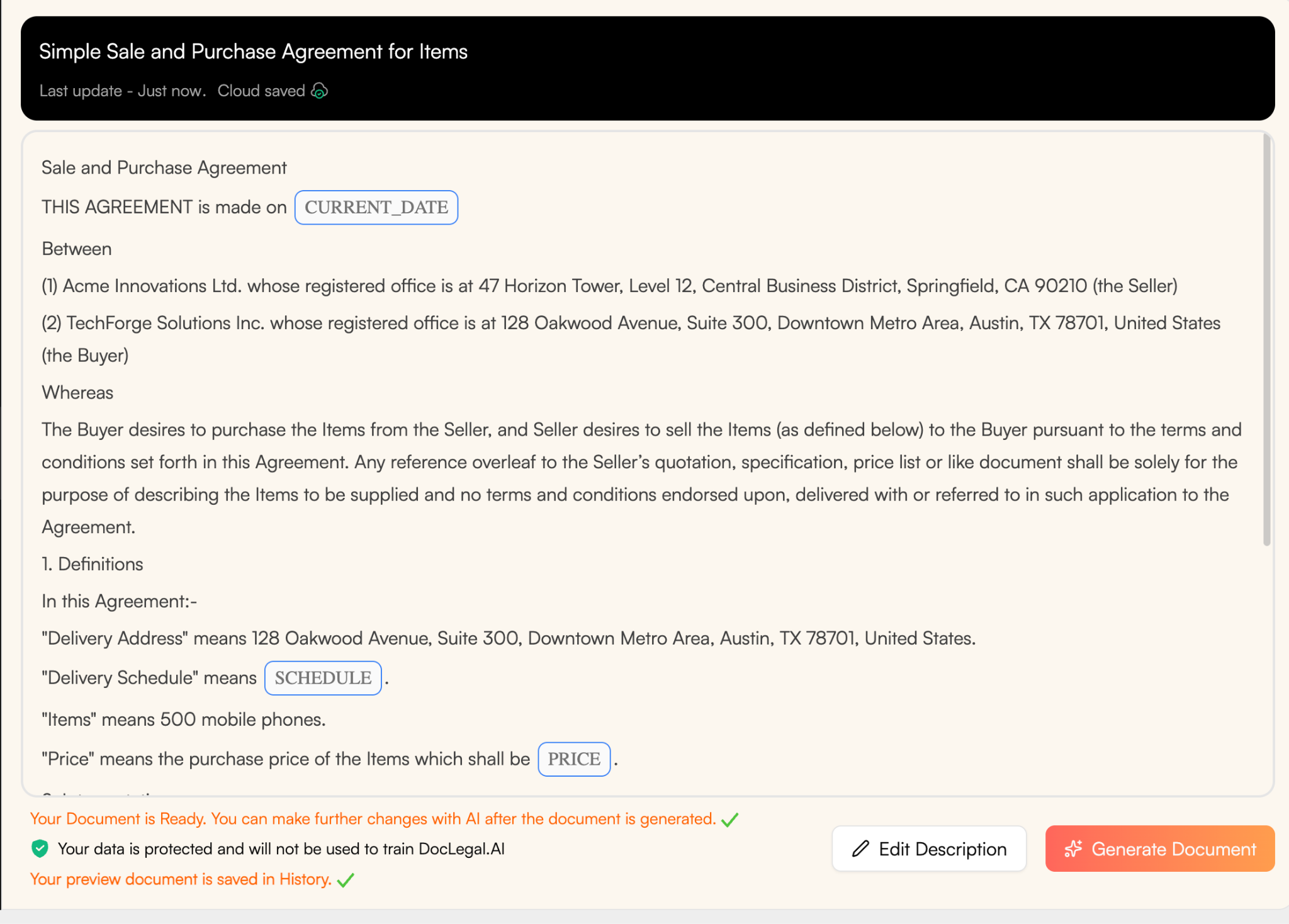
Whether it is sales and distribution, order management and invoicing, or customer support, DocLegal.ai can streamline legal documentation for your business. Some of the other key legal templates we offer include:
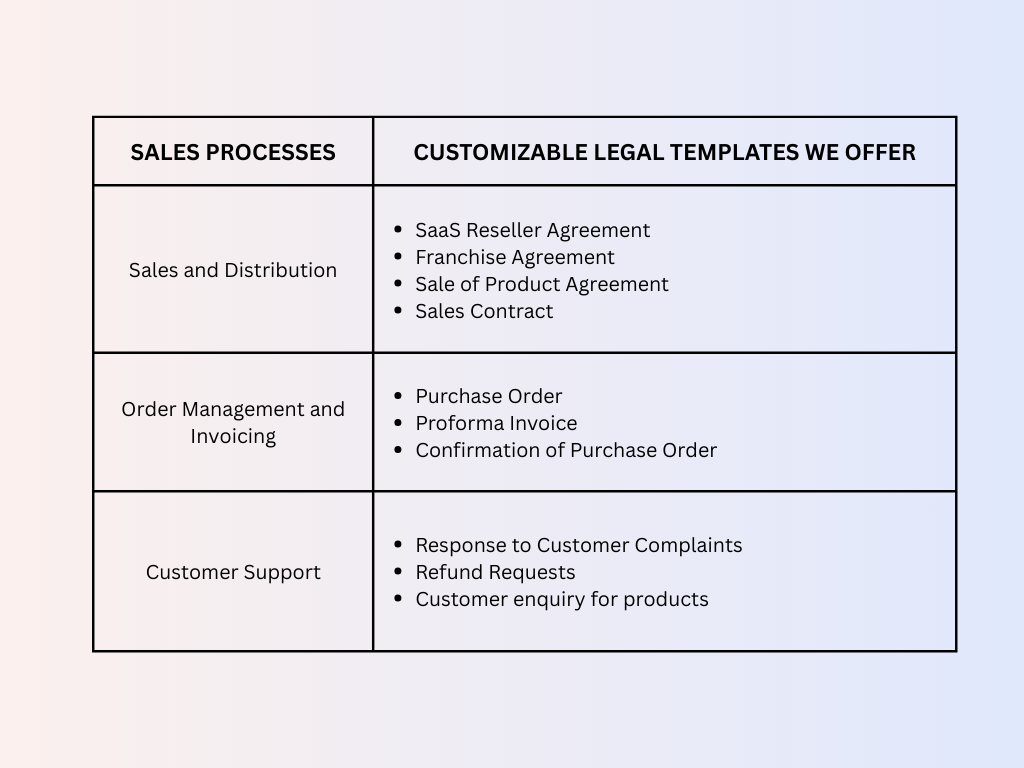
Check out our template here for free.

How to Create Social Media Marketing Agreements (2026 Template)
Learn how to create compliant social media marketing agreements and Instagram giveaway rules fast with Legal AI. Get 2026 DocLegal.ai templates for FTC & CCPA compliance.
How to Create Social Media Marketing Agreements (2026 Template)
Hello, I’m Mia Torres, Marketing Lead at EcoGlow Inc., a sustainable-home-goods startup based in San Francisco, California. We’re about to launch our biggest-ever Instagram giveaway: 3 lucky winners get a full set of our new solar-powered smart lamps (total prize value around US$4,500).
The campaign goes live in 48 hours. Our social team already has the creative assets ready, but I still need a clean, professional “Official Rules & Terms and Conditions” document to post in the caption and link in bio. It has to:
- Comply with FTC guidelines (no misleading claims)
- Respect U.S. data privacy laws (including CCPA where applicable)
- Include all the standard legal protections any U.S. marketer needs
- Sound friendly and on-brand, not like a scary lawyer letter
What is the most efficient way to do this?
You may open ChatGPT and enter your prompt, but you will not be able to ensure that ChatGPT has all the legal knowledge you need to draft this very important document.
Here is where some legal AI may help you. Many legal AIs, including DocLegal.ai, have tailored templates precisely for this scenario:
If you are not entirely sure which document to choose, you may also go with the “AI mode,” by clicking “Start with AI”. A dialogue window will pop up and you may copy-paste your requirements into the chat:
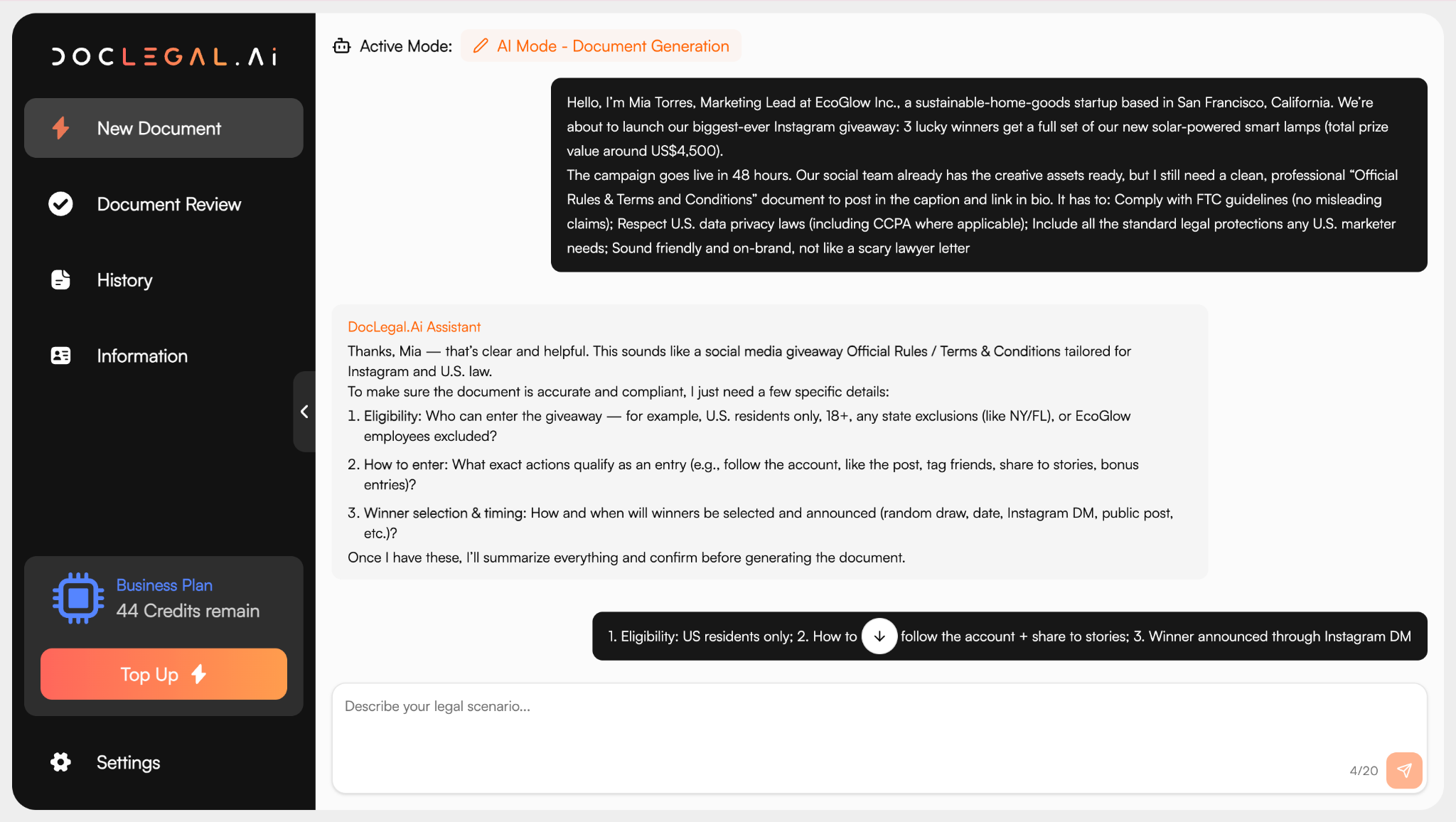
Now, lay back and grab a coffee. The legal AI will take care of the rest. You just need to follow the instructions given by AI and finish up providing information about your request.
Below is the template generated:
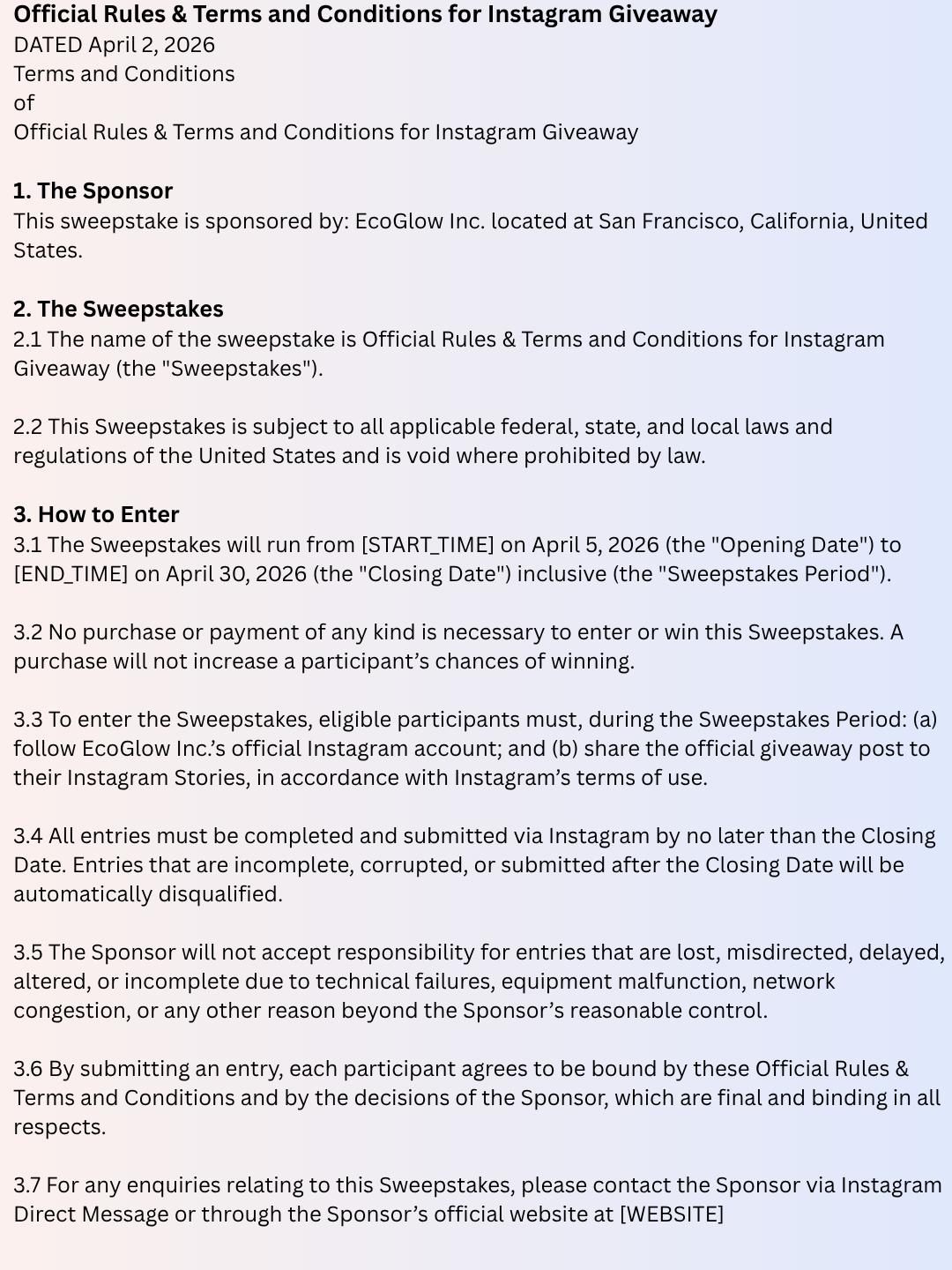
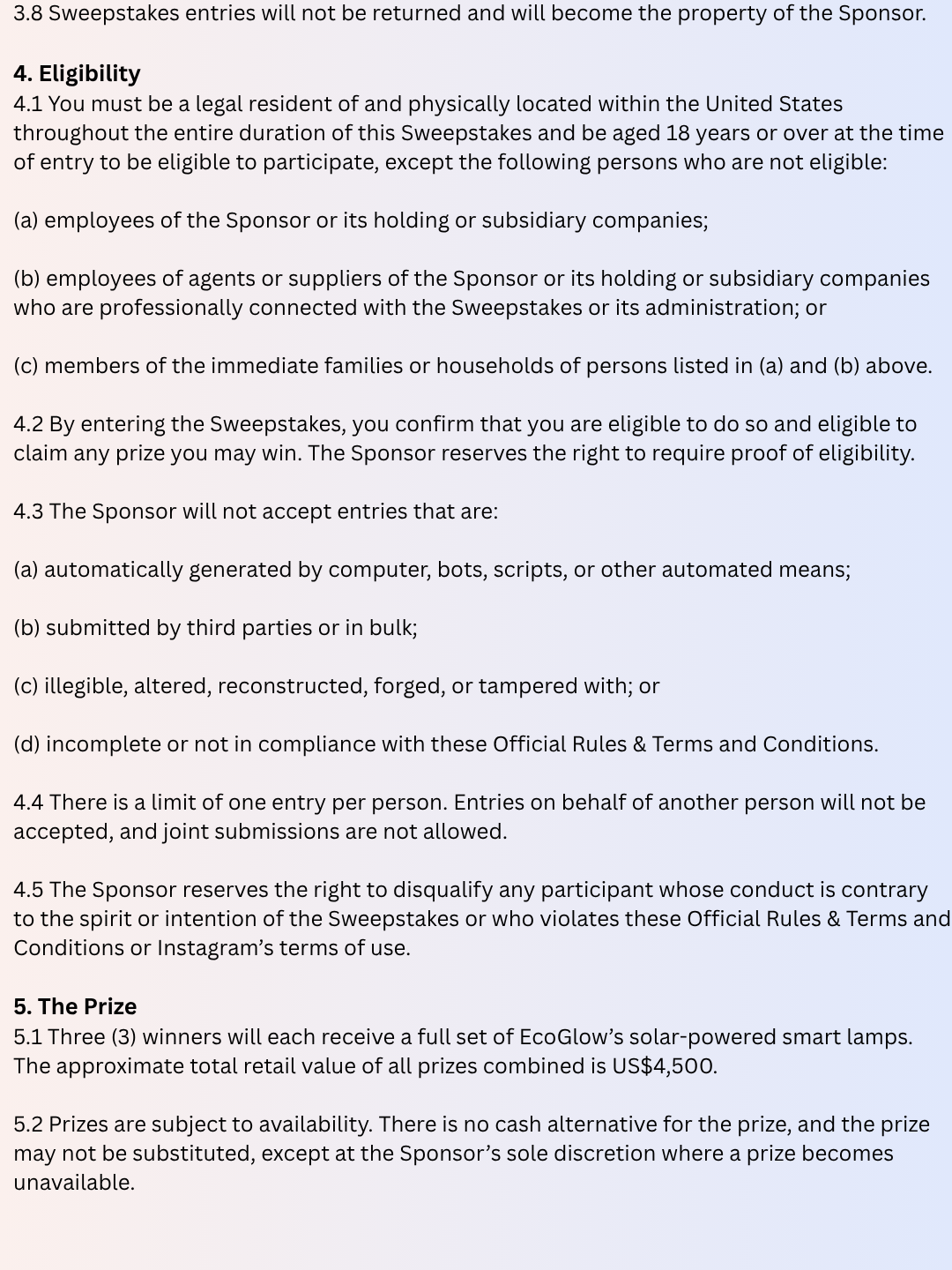
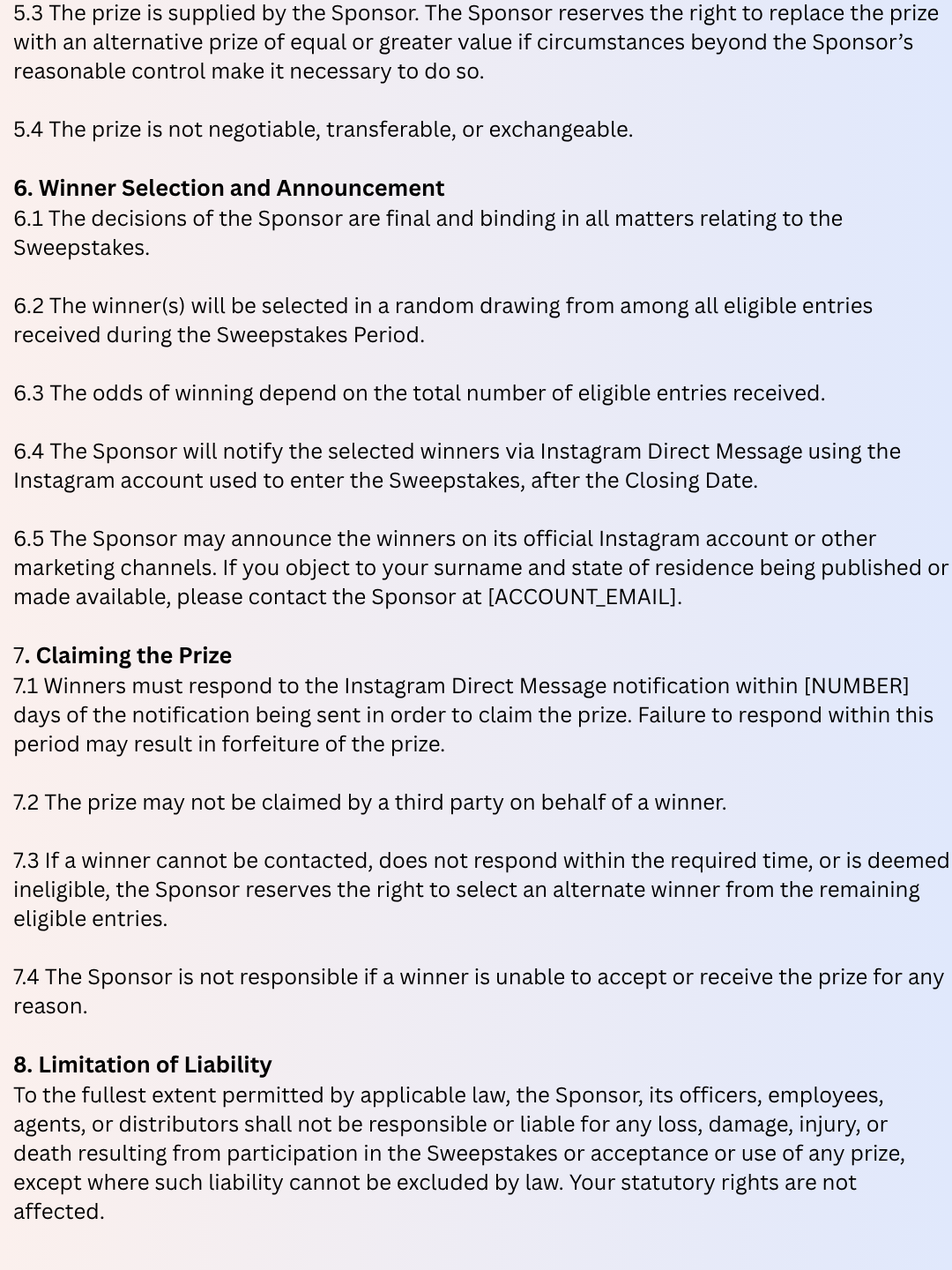
Why Use Legal AI for Legal Documents in Digital Marketing?
1. Must-Have Clauses for Marketing Contracts
In many marketing contracts, there are essential provisions or clauses that help protect your business from risks and limit liability. These provisions typically include Content Guidelines, Commissions Payment Terms, IP rights and liabilities. Legal AI’s marketing services agreement generator provides templates with these clauses pre-written, ensuring that your marketing contracts include necessary protections.
2. Speed up Campaigns
Having a contract repository for all marketing initiatives and engagements can effectively streamline operations. If your team has easy access to standardized, lawyer-approved contracts and templates, they can quickly finalize agreements and move forward with campaigns. This can increase operational efficiency by over 50%, as it allows business teams to execute and close marketing operations more quickly and effectively.
3. Consistency in Marketing Materials and Communications
Using standard templates that can be tailored to business requirements ensure there is consistency in all communications.
4. Regulatory Compliance
Marketing activities, such as online content, advertisements, and other initiatives need to adhere to legal regulations and internal company policies. For example, marketing campaigns must include proper disclaimers, follow advertising standards, and ensure that they comply with both legal requirements and company guidelines.
Here are some popular legal templates that we offer in key marketing processes:
1. Strategic Planning and Management
Businesses of all sizes need effective marketing strategies to reach their target audience. With the right legal templates, marketing teams can plan the marketing campaigns more effectively and ensure compliance with the internal policies and procedures.
- Marketing Budget Plan
- Marketing Policy
2. Brand Management
Marketing teams engage in various activities to develop and nurture the brand image of the business. Brand management involves smart marketing activities to manage how a brand will be perceived by the target audience and enable a business to build brand awareness and a loyal customer base. Key legal documents include:
- Advertising Agreement for Brand Development Services
3. Content Marketing
Content Marketing has become a core function for businesses. Whether it’s blogs, videos or influencer partnerships, content marketing requires legal documents to mitigate risks and safeguard intellectual property:
- Brand Ambassador Agreement
- Disclaimer Templates
- SEO Service Agreement
4. Digital Marketing
Digital marketing involves online campaigns, email marketing and such other activities that drive engagement and sales. To effectively collaborate with service providers with expertise in digital marketing, it is essential to have contracts that clearly define expectations, roles and responsibilities:
- Digital Analytics Consulting Agreement
- Social Media Marketing Agreement
- Social Media Disclaimer
- Privacy Policy
5. Event Marketing & Sponsorship
Event marketing & sponsorship focuses on organizing and promoting events, as well as securing sponsorships to increase brand visibility. This requires clear agreements to manage the partnership terms and event logistics:
- Sponsorship Agreement
- Event Planning Agreement
- Venue Rental Agreement
- Speaker Agreement
6. Agency Management
Managing relationships with external agencies is critical for successful marketing campaigns. Legal agreements with agencies help define roles, expectations, and compensation, ensuring a smooth collaboration:
- Marketing Agency Agreement
7. Public Relations
Public relations play a significant role in managing the brand’s reputation and connecting with the public. Press releases are an essential part of PR efforts, and they require a formalized structure to ensure consistent messaging:
- Event Press Release
With DocLegal.ai’s marketing services agreement generator, marketing teams can effortlessly create agreements like brand ambassador contracts, sponsorship deals, and digital marketing service agreements in just minutes. This AI-powered solution ensures consistency, compliance, and efficiency, allowing businesses to focus on running successful campaigns without getting bogged down by legal paperwork.
Try out our Doclegal.ai to accelerate your marketing business here. Limited offer awaits.

Legal Agreement Template For Businesses
How can DocLegal.ai's free legal template help your business?
What is a Legal Agreement Generator?
A legal agreement generator is an AI-powered online tool that automates the creation of legal contracts and agreements. Instead of drafting documents from scratch or hiring a lawyer for every contract, businesses can use this tool to quickly generate customized, legally compliant agreements.
DocLegal.AI’s online legal agreement generator provides ready-made templates tailored for different industries, including technology, manufacturing, e-commerce, real estate, and law firms. Our online tool allows businesses to customize contracts based on specific needs while ensuring legal accuracy and compliance.
Using a legal agreement generator tool saves time, reduces errors, and ensures consistency across all legal documents, making it an essential solution for businesses looking to streamline their legal processes efficiently.
For Technology Business
Technology business primarily develops, sells, or provides products or services that utilize technology to solve problems, improve efficiency, or create value. Whether you are software developer, a SaaS provider, or a tech reseller, DocLegal.AI’s legal agreement generator has templates to support the growth of all businesses, we have templates that are a must-have for a tech company.
In today's digital world, technology is unquestionably a key competitive advantage for every technological firm. Whether you're a software developer, SaaS provider, or technology distributor, DocLegal.AI’s legal agreement generator online tool has extensive templates to help you build your organization. Our template collection covers everything from contracts to agreements, guaranteeing that technology firms may receive legal assistance at every level of growth. DocLegal.AI not only assists businesses with everyday operations, but also with innovation and business expansion within the legal framework, guaranteeing that every step of the technological firm is sturdy and dependable.
If you are looking to grow your start-up business and want to know how Doclegal.ai can help, please see here. We also offer a detailed guide on contracts involved during fundraising.
Popular Documents Include:
- Software Development Agreement
- Software as a Service (SaaS) Agreement
- Software License Terms and Conditions
- Request for Proposal (RFP)
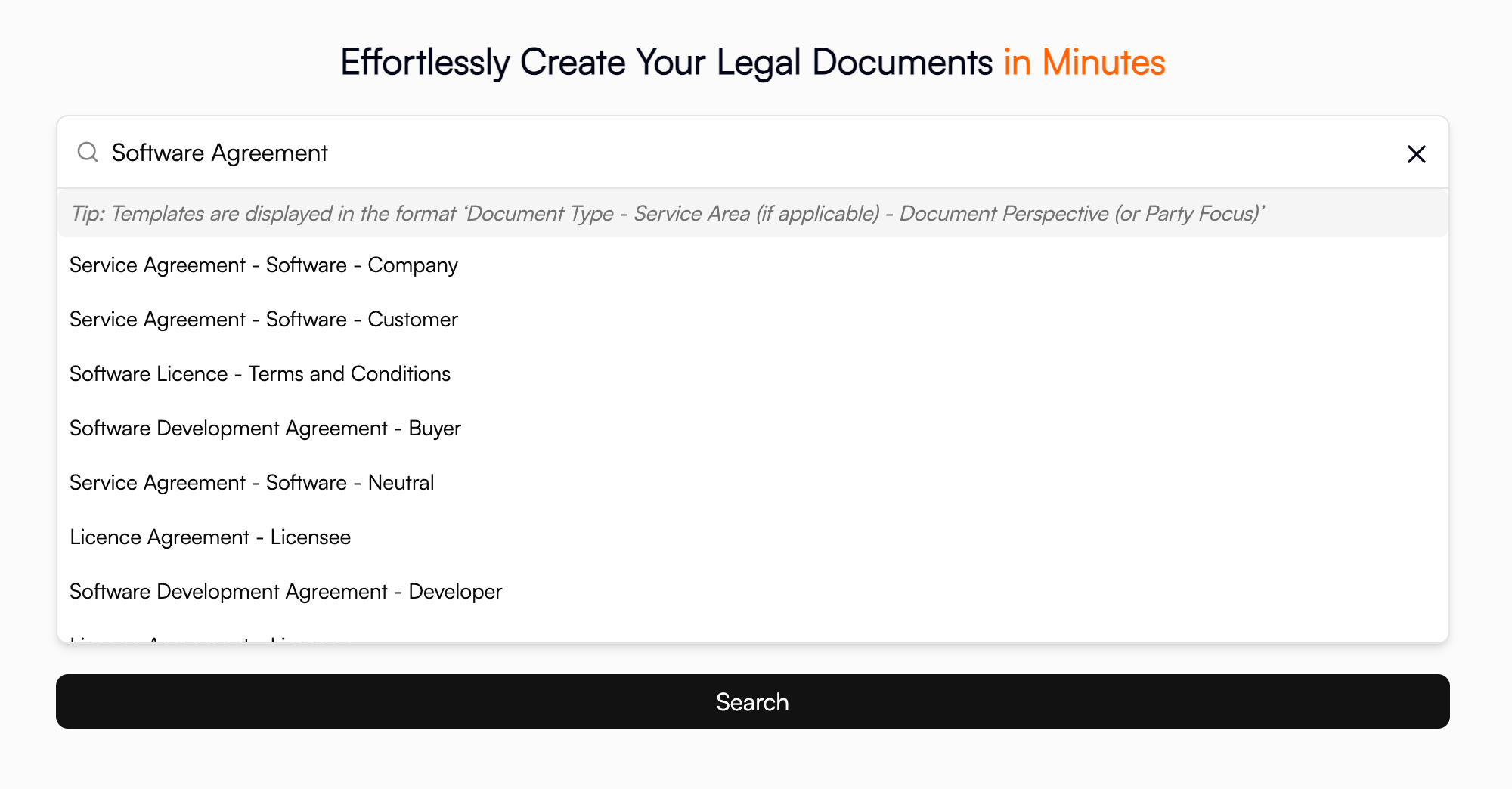
Software Development Agreement
This legal document outlines each party's rights, duties, and responsibilities during the software development process. It can also cover intellectual property rights ownership in addition to outlining the project's precise specifications, deadlines, and payment options. Future disagreements may be avoided by making sure that every aspect is specified in the agreement. Using a legal agreement generator AI tool ensures accuracy and efficiency in drafting such contracts.
Software as a Service (SaaS) Agreement
A legal agreement outlining the rules of usage and provision of SaaS services between a provider and a user is called a SaaS Agreement. It lays down the legal rights and interests of both parties in the cooperation, as well as service level agreements, privacy protection, data security, and other essential components.
Software License Terms and Conditions
The conditions of usage between the software creator (licensor) and the user (licensee) are outlined in a Software License Terms and Conditions, a formal document. This agreement gives the user explicit use and compliance instructions while safeguarding the developer's rights.
The agreement outlines the user's rights and responsibilities when using the program, including the terms of the license, use constraints, intellectual property rights protection, confidentiality provisions, and liability limitations. Using DocLegal.AI's legal agreement generator tool, software businesses can automate the creation of this essential contract.
Request for Proposal (RFP)
This RFP invites vendors to submit confidential proposals for a project, detailing objectives, specifications, timelines, and budget requirements. Key elements include proposal structure, evaluation criteria (e.g., cost, past performance, project plan), and binding terms such as confidentiality, intellectual property rights, and no obligation to accept submissions. The RFP ensures transparency in technology vendor selection, compliance with legal standards, and contractual protection of the parties.
For Manufacturing Business
Manufacturing business produces goods or products by transforming raw materials, components, or parts into finished goods through the use of tools, machines, labor, and processes. DocLegal.AI offers legal templates to support these processes and enables you to manage your relationship with suppliers, distributors and customers effectively.
In contemporary manufacturing, organizations often cover essential linkages such as product design, production, assembly, and quality inspection. DocLegal.AI offers complete legal templates to help guarantee that these processes run smoothly and that relationships with suppliers, distributors, and consumers are managed efficiently. These templates not only include legal papers such as contracts and agreements, but also assist users in swiftly reviewing and managing documents using AI technology to assure compliance and efficiency. Within a legal agreement generator tool, Manufacturing businesses can focus more on their main business while guaranteeing correct legal management, helping them stay ahead of the competition.
Popular Documents Include:
- Consignment Agreement
- Subcontractor Agreement
- Distribution Agreement
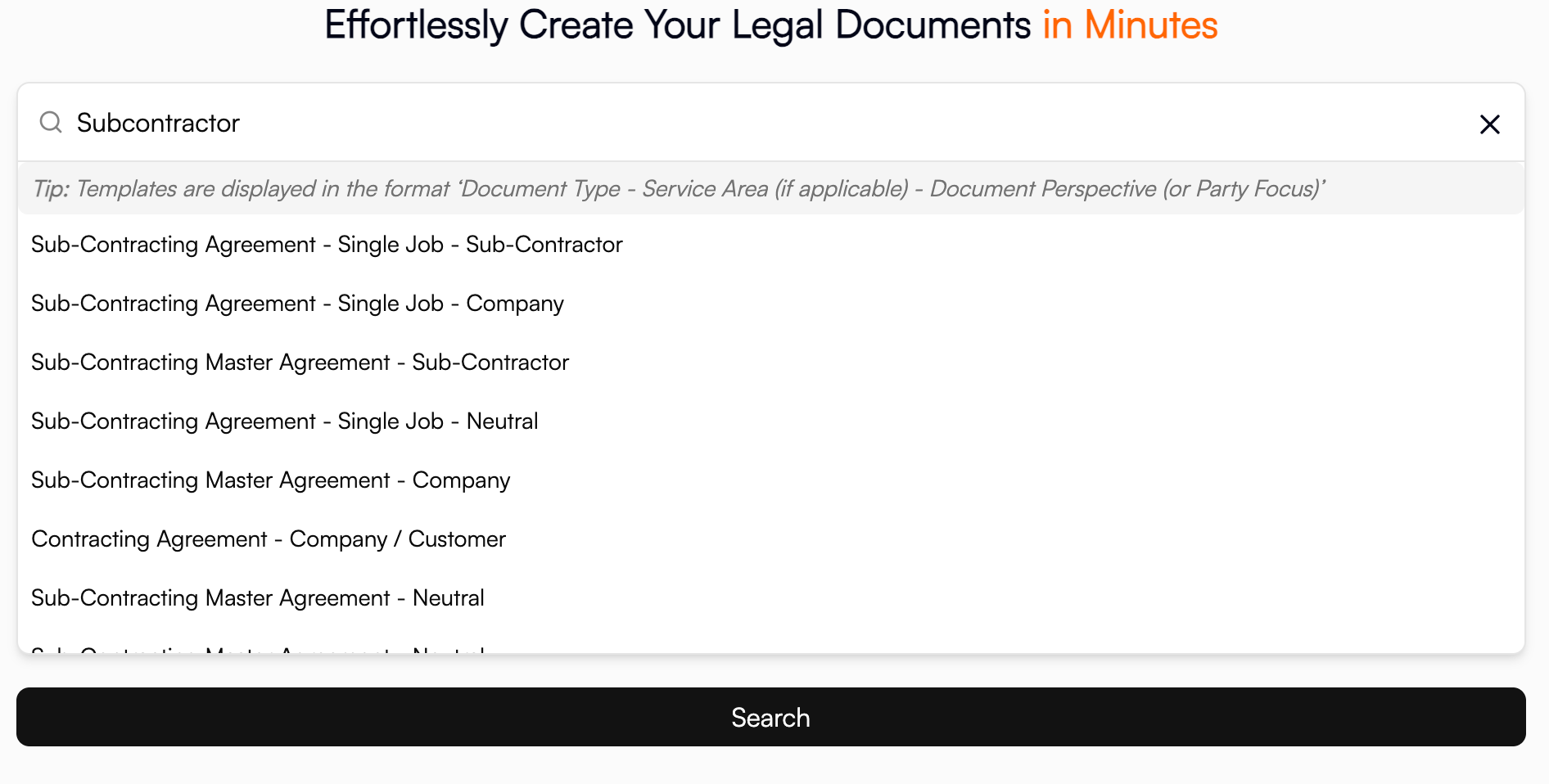
Consignment Agreement
The term "consignment" refers to a situation in which the exporter does not sell goods abroad directly, but rather through its overseas agents in the form of spot sales of a transaction, whereby the consignee agrees to the terms of the consignment agreement on behalf of the sale of goods and then pays the owner of the goods.
A consignment agreement is a contract that outlines the terms of the consignment as well as the rights and responsibilities of the consignor and the consignee. The connection between the consignor and the consignee is one of entrustment and trust rather than one of sale and purchase, and the consignment is executed in compliance with the agreement that both parties have signed. An online legal agreement generator can help you draft such agreements with ease.
Subcontractor Agreement
A subcontractor in the information technology industry may offer services like technical assistance, systems integration, or software development. Subcontractors collaborate on the project and are in charge of their respective fields of expertise.
They have particular legal obligations during this procedure, thus the contract outlines both parties' rights, obligations, and responsibilities, including established quality standards. Using an AI legal agreement generator, businesses can automate the drafting process with precision and accuracy.
Distribution Agreement
Suppliers and distributors typically sign a Distribution Agreement to ensure the smooth development of their business. This contract covers a number of matters, such as the extent of cooperation between the two parties (e.g., the specific areas in which the products will be sold and promoted), the products' price and the method of payment, order and delivery arrangements, marketing, and after-sales services.
E-Commerce Business
An e-commerce business operates online, selling goods or services through digital platforms and leveraging the internet to reach customers. These businesses conduct transactions electronically, often via their websites or third-party marketplaces, with some essential legal terms and conditions. DocLegal.AI’s legal agreement generator has all the legal templates you need for your e-commerce business.
With the advent of digital platforms and technology, many firms have shifted to this easy mode of trading. However, for any e-commerce firm to be effective and sustainable, it must adhere to regulatory regulations. That's where DocLegal.AI comes in: a one-stop shop for all your legal document requirements, particularly built for e-commerce firms. In this fast-paced market, our platform provides a simple approach to acquire all required legal templates, allowing you to focus on building your online business while remaining compliant with laws. Let us handle the legal requirements while you focus on offering high-quality goods and services to your consumers.
If you are a start-up looking to sell safely online, we can also help! Please see a detailed guide here.
Popular Documents Include:
- Website Advertising Agreement
- Terms and Conditions for Online Marketplace
- Cookie Policy for Website
Website Advertising Agreement
A Web Advertising Agreement is an agreement between an online advertiser and a website that outlines the requirements for the advertising space that the website offers the advertiser, as well as the service standards that the advertiser must meet. An online legal agreement generator enables quick, customized contracts for advertising deals.
Terms and Conditions for Online Marketplace
The Terms and Conditions for Online Marketplace is a legal contract that establishes the rights, duties, and responsibilities of both the User and the Online Marketplace. Before utilizing marketplace services or registering as a marketplace user, users must carefully read and accept all of the terms and conditions of the Agreement. This includes transaction rules, user eligibility, and rights and duties, etc.
Cookie Policy for Website
A Cookie Policy outlines a website’s guidelines for using cookies - small data files stored in a user’s browser to perform functions like tracking user preferences or actions. It details how the website collects, stores, and processes user data through cookies.
Real Estate Business
The Real Estate business is a multifaceted industry that involves the buying, selling, leasing, and management of properties, including residential, commercial, and industrial real estate. Real estate professionals play a pivotal role in navigating complex transactions that involve high-value assets and a diverse range of stakeholders, such as buyers, sellers, landlords, tenants, investors, and regulatory bodies.
With a legal agreement generator tool, real estate professionals can automate the generation of legally compliant documents, reducing preparation time while minimizing the risk of human error. This streamlined approach allows real estate professionals to focus on what matters most: serving clients and closing deals.
Key Documents include:
- Property Listing Agreement
- Property Sale and Purchase Agreement
- Broker Agreement
- Lease Agreement
- Real Estate Commission Split Agreement
- Transaction Coordinator Agreement for Real Estate
Property Listing Agreement
The Property Listing Agreement represents the starting point of most real estate transactions, formalizing the professional relationship between the property owner and real estate agent. It defines the terms of the listing, including the duration, commission structure, and a comprehensive scope of the agent’s marketing and sales responsibilities, setting clear expectations from the outset.
Property Sale and Purchase Agreement
The Property Sale and Purchase Agreement anchors every real estate transaction, documenting the transfer of ownership between parties. It captures all crucial elements of sale and property specifications, creating a legally binding framework that protects all parties involved. With DocLegal.AI’s legal agreement generator, Property Sale and Purchase Agreements can be drafted efficiently.
Broker Agreement
The Broker Agreement structures the relationship between real estate brokers and their agents, outlining commission splits, responsibilities, and terms of representation, ensuring smooth operations within real estate organizations.
For Law Firms
Law firms provide legal services and assist their clients in navigating legal issues, resolving disputes, and ensuring compliance with laws and regulations. Businesses, individuals, and entities often reach out for expertise in specific areas of law, such as corporate law, intellectual property, family law, real estate law, or tax law. DocLegal.AI's legal agreement generator can support legal professionals and law firms with a document repository and access to an AI tool for quick contract review.
DocLegal.AI provides a comprehensive document repository and advanced AI tools for legal professionals and law firms in today's complex business environment, where organizations are frequently confronted with corporate matters and litigation challenges that necessitate specialized legal expertise. With these resources, clients can rapidly and effectively review contracts and ensure the precision and compliance of legal documents, making DocLegal.AI not only more efficient but also a crucial assistant to legal practitioners in their hectic schedules, helping organizations stay on track with their legal affairs. Whether handling corporate law, real estate, or intellectual property, our legal agreement generator tool is an essential resource for modern legal practitioners.
Popular Documents Include:
- Arbitration Agreement
- Data Processing Agreement
- Security Trust Deed
Arbitration Agreement
An Arbitration Agreement is a written agreement that the parties have discussed and signed, with the intention of subjecting any current or future conflicts to the decision of an arbitration institution. Important aspects such as the subject matter of the dispute and the arbitration institution chosen are explicitly stated in this agreement, making conflict resolution clear and straightforward to implement. A legal agreement generator tool ensures that all necessary matters are covered.
Data Processing Agreement
A Data Processing Agreement is a set of normative rules and process agreements between two or more data exchangers designed to ensure consistency, security, and validity in the data processing process.
Security Trust Deed
A securities trust deed is a formal document that defines the rights, duties, and responsibilities of investors, fund managers, and fund trustees. This type of deed is commonly used to establish contractual funds, also known as unit trusts.
Try Doclegal.ai’s Effortless Contract Generator Now
Doclegal.ai provides over 2800 lawyer-reviewed contract templates at a very affordable price. The user may also DIY their own contract with the embedded AI assistant on the platform, and ask Doclegal.ai to explain complex contract terms to you, before you sign.
For more, please see: Is DocLegal.ai better than other AI tools? Google AI Overview Responds.

How to Streamline HR Processes: Legal Documents and Templates
Automate Your Legal Document Requirements With HR Document Generator Online
How to Streamline HR Processes: Legal Documents and Templates
Job offer letters, employment agreements, onboarding forms, termination notices, and compliance policies…for start-up companies, HR work can be time consuming and exhausting. Using legal AI will eliminate the need for manual document creation, ensuring compliance, consistency, and efficiency in human resource management.
Here are some key HR processes and the legal documents that they involve. From initial hiring and onboarding to resolving workplace grievances and remote work arrangements, see how many agreements and letters you need to prepare:
1. Hiring Stage
The HR department’s core task is to identify and hire qualified candidates for the organization. The hiring process involves recruiting, interviewing, and offering employment to the suitable candidate. Key legal documents include:
- Job Offer Letter
- Employment Agreement
- Work for Hire Agreement
- Non-Disclosure Agreement (NDA)
2. Onboarding Stage
A structured onboarding process increases employee retention and enhances productivity. It enables new hires to adjust to their new roles and understand company culture. Key legal documents include:
- Onboarding Letter for Employee
- Employment and Declaration Form
- Employee Handbook
3. Workplace Conflicts
HR has the responsibility to actively address workplace conflicts. Clear policies and procedures are essential to guide the employers and employees, and ensure efficient resolution of the conflicts. Key legal documents include:
- Grievance Policy and Procedures
- Employee Warning Letter
- Investigation Report
4. Offboarding Procedure
Offboarding is a process of managing an employee’s exit from your organization which may be voluntary (resignation) or involuntary (termination). A smooth and well-documented offboarding process protects the organization and the employee. Key legal documents include:
- Settlement Agreement
- Termination Notice to Employee
- Full and Final Settlement Letter
- Employee Termination Letter
5. General Compliance Policy
HR also ensures that the organization’s operations are in compliance with various corporate and employment laws, including labor regulations, and corporate social responsibility. Key legal documents include:
- Corporate Social Responsibility (CSR) Policy
- Environment, Social and Governance Policy
- Employee Equipment Agreement
- Remote Work Agreement
How will Legal AI Help Streamline HR Processes?
Standard online documents for HR enable organizations to build a positive culture that ensures transparency and consistency in the employee management processes and legal compliance.
1. Standardization of HR Processes
Legal templates ensure that HR processes are standardized across the organization. With DocLegal.AI’s HR documents generator online tool, businesses can customize templates to align with the organization’s values and requirements.
2. Transparency in communication
Well-crafted policies, procedures, and agreements foster transparency in operations and ensure employees understand their roles and responsibilities.
3. Legal and Regulatory Compliance
By using DocLegal.AI legal templates approved by legal professionals you can ensure accuracy and adherence to legal requirements.
4. Employee Satisfaction
Properly drafted legal templates for contracts, benefits, and performance expectations contribute to a positive work environment leading to higher employee satisfaction.
Try out Doclegal.ai’s document generator here. Limited offer awaits!
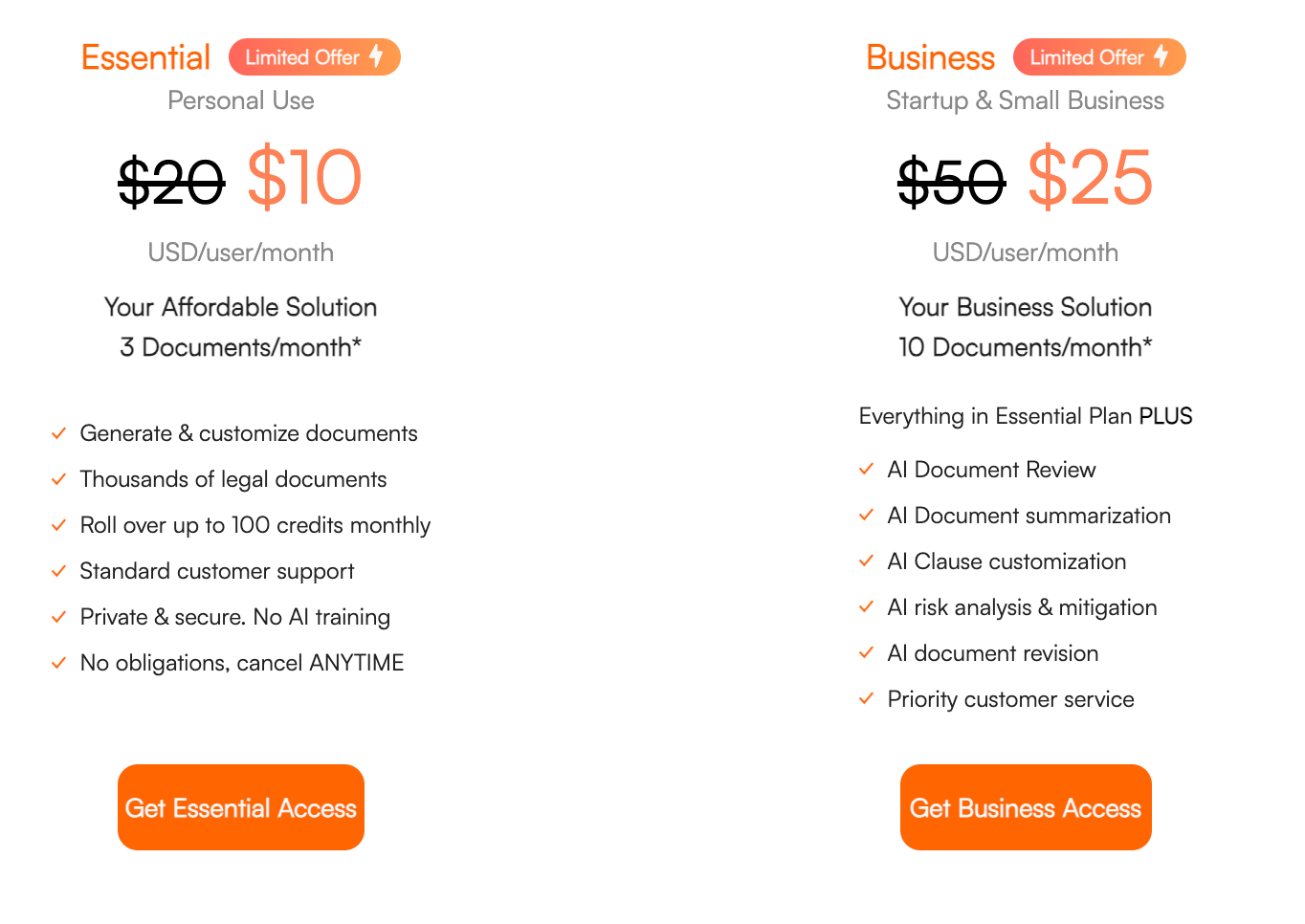

An AI Finance Documents GenHow to Use Legal AI for Business Finance Documents: A 2026 Guide
Explore legal AI tools for business finance documents in 2026. Reduce review time by 90%, flag risks, and ensure compliance with Doclegal.ai, LEGALFLY & more
An AI Finance Documents GenHow to Use Legal AI for Business Finance Documents: A 2026 Guide
In the fast-paced world of business finance, legal documents like loan agreements, derivatives contracts, investment memoranda, M&A due diligence files, and compliance reports can pile up quickly. Traditional manual review is time-consuming, error-prone, and expensive, often tying up in-house counsel or external lawyers for hours or days per document. Enter legal AI: specialized artificial intelligence tools designed to analyze, draft, review, and manage legal text with speed and precision. By 2026, these tools have become essential for finance teams, slashing review times by up to 80-90% while improving consistency and regulatory compliance.
Legal AI leverages natural language processing (NLP), machine learning, and domain-specific training on legal and financial data to handle complex finance documents. It doesn't replace lawyers—it augments them, freeing professionals to focus on strategy, negotiation, and high-stakes decisions.
Why Legal AI Matters for Business Finance Documents
Finance documents are dense with risks: hidden liabilities in loan covenants, non-standard terms in ISDA agreements, or regulatory gaps in securities filings. Legal AI excels here by:
- Flagging risks instantly: Detecting deviations from your internal playbooks (e.g., liability caps or payment terms).
- Extracting key data: Pulling out clauses on interest rates, repayment schedules, or termination rights for bulk analysis.
- Ensuring compliance: Mapping documents against evolving regulations like GDPR, Basel III updates, or local financial laws.
- Generating drafts and redlines: Creating first drafts or suggested edits in Microsoft Word.
- Handling volume: Reviewing portfolios of contracts simultaneously for M&A or portfolio management.
The payoff? Faster deal closings, reduced legal spend, fewer errors, and better risk management: critical in volatile markets.
Top 3 Legal AI Tools for Finance in 2026
Several platforms stand out for finance workflows, especially those with strong Word integration, playbook customization, and data security:
DocLegal.ai stands out as a powerful, affordable legal AI solution that can transform how businesses handle finance documents. Whether drafting loan agreements, commercial financing contracts, factoring arrangements, invoices, or letters of guarantee, this platform uses advanced generative AI and over 2,800 lawyer-reviewed templates to generate, review, customize, and summarize documents in minutes—simply by describing your needs in plain language
Built specifically for finance, it reviews complex agreements (credit facilities, derivatives, outsourcing contracts), applies custom playbooks, flags risks with auditable explanations, and includes regulatory monitoring. It integrates seamlessly with Microsoft Word, SharePoint, and Teams, with anonymization for sensitive data.
Ideal for transactional lawyers; excels at drafting, redlining, and benchmarking contracts directly in Word.
Choose based on your needs: enterprise security for banks, Word-native tools for in-house teams, or scalable CLM (contract lifecycle management) like Ironclad for high-volume finance ops.
Ready to dive in? Evaluate platforms with a demo focused on your finance document types, build a simple playbook, and run a pilot. Try out DocLegal here.
.jpg)
Launch, Build, and Grow Your Startup
An AI Startup Legal Documents Generator is an automated tool that helps startups create legal documents using artificial intelligence. It streamlines the drafting process by providing customizable, lawyer-reviewed templates tailored to different stages of a startup’s lifecycle, including incorporation, funding, growth, expansion, and exit.
What Is an AI Startup Legal Documents Generator?
An AI Startup Legal Documents Generator is an automated tool that helps startups create legal documents using artificial intelligence. It streamlines the drafting process by providing customizable, lawyer-reviewed templates tailored to different stages of a startup’s lifecycle, including incorporation, funding, growth, expansion, and exit.
By leveraging AI, startups can quickly generate essential legal agreements such as Articles of Association, Operating Agreements, NDAs, Investment Agreements, and SAFE Notes without the need for expensive legal consultations. A legal document generator for startups ensures efficiency and accuracy, allowing founders to focus on scaling their businesses while mitigating legal risks.
How Are Businesses Using DocLegal.AI to Create Startup Legal Documents?
Startups rely on DocLegal.AI to streamline the creation of essential legal documents throughout their business lifecycle. From the founding stage to expansion and exit, DocLegal.AI provides customizable, lawyer-reviewed legal document templates tailored for each growth phase.
Founding Stage
The founding stage represents the critical moment when you transform your business concept into a legally recognized entity. DocLegal.AI provides essential legal documentation to ensure a solid foundation. During this phase, businesses establish their legal structure, set up governance frameworks, and protect stakeholders’ interests.
Essential documents include:
- Articles of Association: Official document filed with the state to legally create a corporation, outlining the company’s name, purpose, structure, share issuance, and initial directors.
- Operating Agreement: Governs internal LLC operations, ownership structure, procedures, and member rights.
- Partnership Agreement: Defines partners’ roles, contributions, profit-sharing, and procedures for adding or replacing partners, ensuring clarity across business situations.
- Shareholder Agreement: Outlines shareholders’ rights, responsibilities, and share transfers to protect their interests.
Seed Funding Stage
The seed funding stage is where you secure initial capital to develop the product and start market testing. This phase focuses on raising capital from early investors, protecting intellectual property, and sharing the business vision with stakeholders. DocLegal.AI provides legal templates that signal professionalism and preparedness for successful fundraising.
Key must-have documents include:
- Business Plan: Written strategy outlining financial projections, marketing, and operational plans to help the business get started.
- Non-Disclosure Agreement (NDA): Protects confidential information shared with co-founders, partners, or collaborators.
- Investment Agreement: Final contract outlining investment amount, equity allocation, rights, protections, and exit provisions.
- Simple Agreement for Future Equity (SAFE): Grants rights to future equity without a fixed price per share, simplifying early-stage fundraising.
- Convertible Promissory Note: Debt instrument converting to equity upon triggers, offering investor security with potential upside.
- Deed of Adherence: Binds new investors to existing shareholder agreements, ensuring consistent rights and obligations.
Growth Stage
The growth stage marks a startup’s transition from validation to active expansion. Focus areas include building operational infrastructure, establishing business relationships, expanding the workforce, enhancing digital presence, launching products or services, and managing risks. DocLegal.AI supplies documents to keep expansion orderly.
Essential documents include:
- Employment Agreement: Defines the relationship between the startup and its employees, covering roles, responsibilities, and compensation.
- Consulting Agreement: Sets scope, payment, deliverables, and timelines when hiring external expertise.
- Intellectual Property Assignment Agreement: Ensures IP created by employees belongs to the company.
- Vendor / Supplier Agreement: Details product/service specs, pricing, payment, delivery, and protection clauses.
- Website Terms and Conditions: Establishes rules for using digital platforms, covering user rights, liabilities, and IP.
- Privacy Policy: Explains how the business collects, uses, and protects personal information.
- Lease Agreement: Governs terms for occupying commercial space, including rent, duration, maintenance, and usage.
Expansion Stage
The expansion stage is when companies extend market reach and scale operations for greater efficiency. Strategies may include franchising, distribution partnerships, joint ventures, or acquisitions to enter new markets and strengthen competitive advantage. DocLegal.AI offers documents that support these efforts.
Popular documents include:
- Franchise Agreement: Details the franchisor-franchisee relationship, brand usage rights, business model, and operations to standardize practices.
- Distribution Agreement: Frames distribution relationships, covering inventory, pricing, payment, delivery, and quality controls.
- Joint Venture Agreement: Structures strategic collaborations, outlining objectives, responsibilities, and contributions.
- Share Sale and Purchase Agreement: Governs acquisitions or sales of company shares, ensuring smooth transitions and risk management.
- Referral Fee Sharing Agreement: Defines referral commissions, eligibility, confidentiality, and governing law to protect both referrer and service provider.
Exit Phase
The exit phase is when founders, investors, and stakeholders seek to realize the value created from the company. This could involve acquisitions, mergers, public offerings, or orderly dissolutions. Careful documentation maximizes value and eases the transition or closure.
Popular documents include:
- Company Acquisition Agreement: Details the sale transaction structure, price, payment terms, and post-closing adjustments.
- Asset Transfer Agreement: Covers the transfer of specific assets, their valuation, and associated terms.
- Business Acquisition Agreement: Focuses on transferring relationships, contracts, employees, and operational assets.
- Guarantee Document: Provides security for extended payment terms to protect sellers.
- Joint Venture Dissolution Agreement: Guides the orderly separation when unwinding joint ventures.
FAQs
Q: What types of AI startup legal documents can I generate with DocLegal.AI?
A: DocLegal.AI provides legal templates for founding, funding, hiring, scaling, and exiting a business. From Articles of Association to Investment Agreements, you’ll find documents tailored to every stage of your startup.
Q: How does DocLegal.AI help startups during the fundraising process?
A: The platform offers investment-ready legal templates, including SAFE Notes, Convertible Promissory Notes, and NDAs, ensuring that funding agreements are legal and investor-friendly.
Q: Can I customize startup legal documents with DocLegal.AI?
A: Yes! The AI-powered generator lets you modify agreements, add specific clauses, and tailor contracts to fit your startup’s unique requirements.
Q: How does DocLegal.AI ensure legal compliance?
A: All templates in the startup legal documents AI library are lawyer-reviewed and reduce the risk of legal disputes for startups.
.jpg)
Before You Sign: The AI Tool That Explains Your Contract Clauses
Have you ever stared at a contract, unsure what a clause really means or whether you should sign? You’re not alone. Contracts are filled with dense language and legal jargon that can leave anyone feeling confused. But what if you had a helpful guide to explain things in plain English and highlight what matters most to you? That’s where DocLegal.ai steps in, transforming how everyday people understand and make decisions about contracts. This guide will show you how AI is transforming the way we interact with contracts.
Have you ever stared at a contract, unsure what a clause really means or whether you should sign? You’re not alone. Contracts are filled with dense language and legal jargon that can leave anyone feeling confused. But what if you had a helpful guide to explain things in plain English and highlight what matters most to you?
That’s where DocLegal.ai steps in, transforming how everyday people understand and make decisions about contracts. This guide will show you how AI is transforming the way we interact with contracts.
Common Issues You May Face in Reading Contracts
Common issues people face include:
- Boilerplate language and legal jargon: Standard clauses that seem unimportant but can have big implications.
- Dense language: Contracts are often written in long, complex sentences that can be hard to follow.
- Ambiguous terms: Phrases like “reasonable efforts” or “material breach” that are open to interpretation.
- Hidden risks: Obligations or liabilities buried deep in the document.
Read more about how Contract Review Work Slows You Down. AI-powered tools are built to spot and explain these issues in seconds.
How Generative AI Lends a Hand
First, let’s break down what we mean by “legal tech” in simple terms: technology designed to make legal processes easier. For contracts, this often involves tools that can read, explain, and analyze documents for you.
Generative AI, which is the technology behind chatbots we have grown familiar with, can be trained on thousands of legal documents. DocLegal.AI was trained on a library of 2,800+ documents vetted by legal professionals, so you can generate and review documents with greater trust and clarity.
Here’s what generative AI can do for you:
1. Instant translation from "legalese" to plain English
Simply upload a contract to DocLegal.ai’s Document Review, highlight a confusing clause (like an “indemnity clause” or “force majeure”), and ask, “What does this mean in simple terms?” The AI can provide a clear, concise explanation of the clause's purpose and real-world effect.
2. Summarizing key points fast
Instead of reading 20 pages, you can get a one-page summary highlighting the essential terms: parties, payment schedules, key deadlines, termination rights, and major obligations. DocLegal.ai has summarize-specific mode, further enhancing its capabilities and ensuring that its responses are precise and contextual. This can aid you to be more fully informed prior to making decisions based on the document.
3. Proactive risk flagging
The AI can scan for clauses that are often problematic, like automatic renewal terms, excessive liability, or unusual confidentiality requirements. DocLegal.ai will alert you with a note like, “This clause may allow the other party to terminate the agreement with only 7 days' notice, which is shorter than standard.”
4. Answering your specific questions
You can ask direct questions about your document: “Is there a penalty if I cancel early?” or “What are my obligations if the project is delayed?” The AI finds the relevant sections and explains them in context.
Read more about The Top 5 Features Every Legal Document Generator Online Should Have.
Seeing AI in Action: A Practical Example
To see this in action, let’s look at a common but complex scenario: a non-compete clause in an employment contract.
Clause:
“During the term of the employment, the Employee shall not, except (a) as a representative of the Company; (b) previously notified to the Company; or (c) or with the prior written approval of the Company, whether paid or unpaid, be directly or indirectly engaged or concerned or have any financial interests as agent, consultant, director, Employee, owner, partner, or shareholder, or in any other capacity in any other business, trade, profession, or occupation (or the setting up of any business, trade, profession, or occupation).”
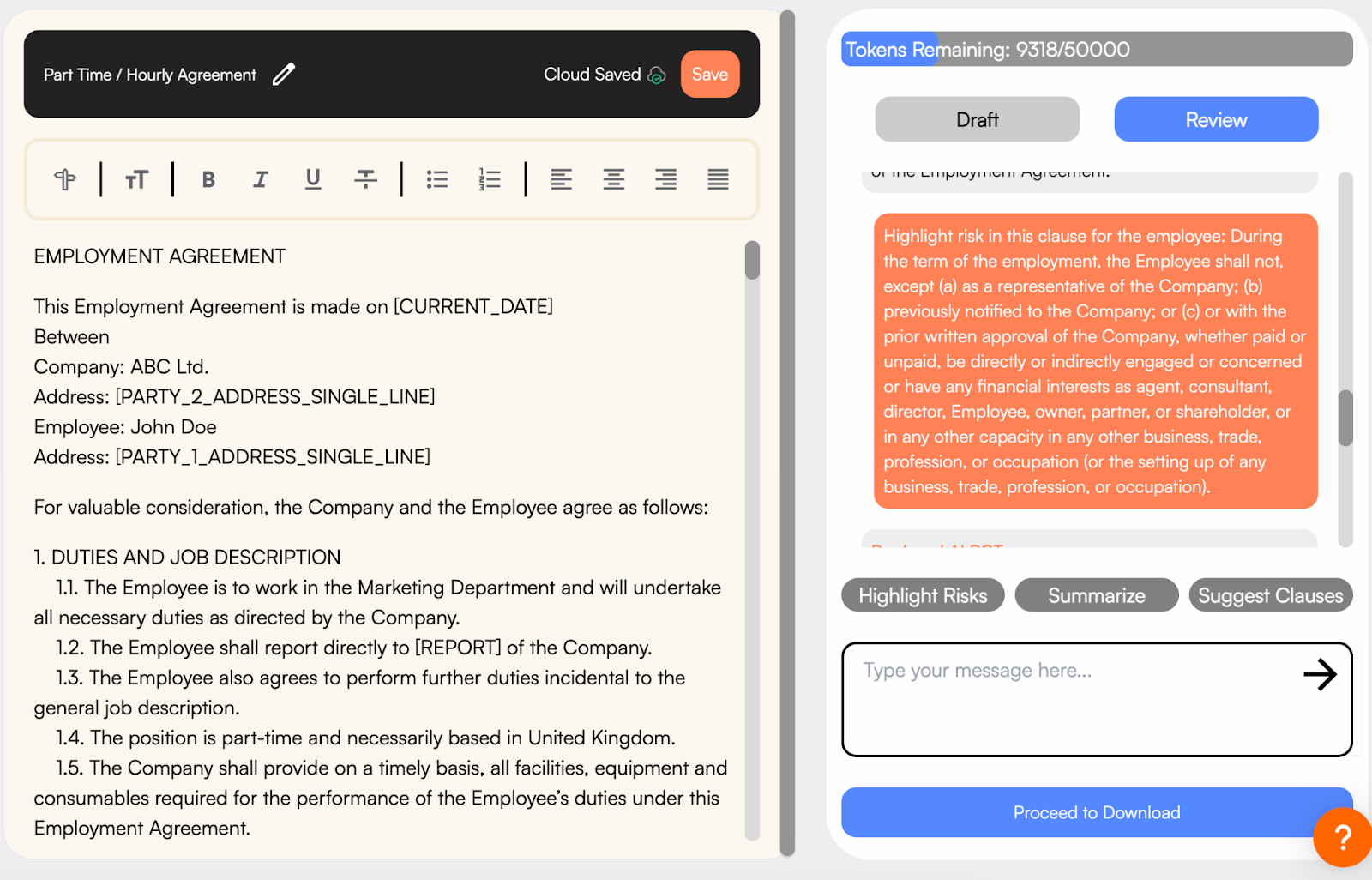
DocLegal.ai’s analysis:
- Broad restriction on outside work – The clause prohibits almost all outside business or employment without prior written approval.
- Ambiguity in scope – Terms like “directly or indirectly engaged” may cover unrelated activities, creating uncertainty.
- Financial interests restriction – Even passive investments could be caught, unless approved.
- Approval discretion – The Company has sole discretion to grant approval, which could unfairly limit the Employee.
- Potential disciplinary consequences – Breach could be considered misconduct, leading to termination or loss of post-termination entitlements.
This example illustrates how AI doesn’t just explain the clause — it flags potential risks, helping you understand the impact and make informed decisions.
How you can act:
Based on DocLegal.ai’s analysis, you can use the platform to propose more balanced alternatives, such as:
- Limit the clause to competitive activities only, so unrelated work or passive investments aren’t restricted.
- Require that the Company exercise approval reasonably, rather than at sole discretion.
- Remove the post-termination entitlements restriction so the Employee’s rights after leaving the company aren’t unfairly limited.
This example illustrates how AI doesn’t just explain the clause — it flags risks and suggests practical changes, helping you negotiate smarter and protect your interests.
Here’s a revised, practical version of the clause:
Revised Non-Compete Clause:
1. Non-Competition Clause
The Employee undertakes and agrees that, during the term of their employment with the Company, they will not engage in any competitive activities that directly conflict with the business interests of the Company. Competitive activities are defined as any actions or endeavors that involve establishing, operating, or participating in a business that offers products or services similar to those provided by the Company, within the geographic area where the Company operates.
The Company agrees to exercise reasonable approval in determining whether an activity constitutes a competitive activity. The Employee may seek prior written consent from the Company for any activity that may potentially fall within the scope of this clause.
This revised clause:
- Limits scope to competitive activities only.
- Requires the Company to exercise reasonable approval, rather than having sole discretion.
- Removes post-termination entitlements and overly broad restrictions, protecting the Employee’s rights.
By using DocLegal.ai, you can not only identify the risks in a clause but also draft safer, more balanced language that protects both parties’ interests.
Decision-making after Understanding
After the AI explains the clauses and flags risks, it can help you:
Compare to Standards: Some tools can show how a clause compares to common market standards, letting you know if a term is typical or one-sided.
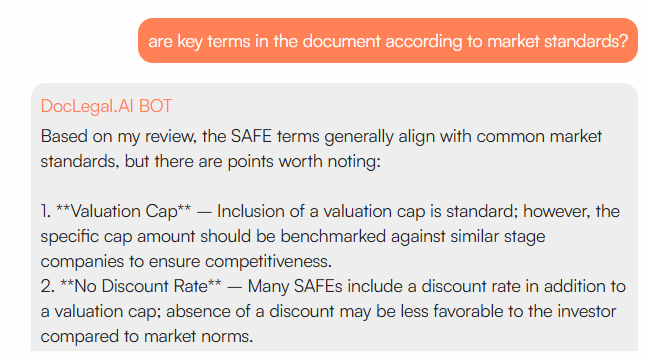
Taking Control of Your Contracts
Legal technology and generative AI are powerful tools for demystifying the agreements we encounter in business and life. They empower people to move swiftly from the initial “What does this mean?” to the informed “Is this fair?” and finally, to a confident “Should I agree?”
By providing instant clarity and highlighting potential pitfalls, AI tools like DocLegal.ai puts the power of understanding back in your hands, making contract review faster, less intimidating, and more effective for everyone.
Ready to look at your next contract with more confidence? Try DocLegal.ai’s contract generator and reviewer to experience how AI can bring clarity and control to your legal documents.
Read more: How to Manage Documents & Templates for Startups
Best Value legal tools for 2026
71% use AI regularly, up from 37% in 2024. These tools save 8-10 hours weekly per lawyer on routine tasks, freeing them to focus on high-value strategy and client work.
Best Value legal tools for 2026
Just like any other industries, the usage of AI in law firms had been rapidly increasing: now 71% use AI regularly, up from 37% in 2024. These tools save 8-10 hours weekly per lawyer on routine tasks, freeing them to focus on high-value strategy and client work.
However, despite the convenience it brings, it is crucial to choose the right tool for your legal AI research. A wrong choice may results in accuracy issues and data breaches - for example, in the 2025 Mata v Aviance case, the court ruled that generic AI had fabricated case citations, resulting in malpractice risks. This guide evaluates the top 6 tools for 2026, starting with standout value options for practical legal workflows.
The top 7 legal AI tools for 2026:
1. DocLegal.Ai
DocLegal.AI is capable of generating customized legal documents based on a prompt or scenario with its AI powered document generation function. Designed and trained by legal professionals, DocLegal.AI’s capability of editing, reviewing and summarizing legal documents meets high standards required for the legal industry. Its customizable legal templates provide instant versatility, helping users to effectively eliminate hours of manual drafting and reviewing while maintaining consistency across all outputs.
DocLegal.AI also highlights legal risks and provides clause suggestions for legal documents. This is important in mitigating risks in law firm’s daily operations and provides an edge during the negotiation process. After Mata v Aviance, it is recommended that you choose a tool that eliminates risks.
Pricing: DocLegal.AI stands out as the market's most affordable high-quality legal AI platform for 2026. Starting from $10 per month, DocLegal.AI is an affordable platform for solo practitioners, SMEs, and even larger teams handling variable workloads.
Limited-Time Exclusive Offer: For a short time, secure an even deeper discount on DocLegal.AI via DealFuel. Click here to access the offer.
2. Doculex.ai
DocuLex.ai is a cloud-based litigation document management and drafting platform designed specifically for litigators. It combines case file organization with AI-powered document generation, so the AI drafts from your actual case data rather than generating content from scratch.
DocuLex.ai stores evidence, medical records, pleadings, and other case materials in a structured, searchable database. The platform processes documents page by page and medical records visit by visit, then stores them as vector embeddings for fast retrieval. When you generate a document, the AI pulls from verified case data to produce drafts.
Pricing: $99 per attorney seat per month, which includes unlimited matters, 250 GB storage, and one free staff seat. Additional staff seats cost $29 per month (maximum two per attorney). AI processing uses token-based pricing: $3.75 per million input tokens, $15.00 per million output tokens, and $0.05 per million tokens for document embeddings.
3. Harvey AI
Harvey AI is a tool aimed at providing services to larger legal professionals and firms which tackles intricate regulatory and tax matters. Instead of a fixed pricing, Harvey offers a custom pricing, which reflects deep customization for contract review, drafting, and analysis.
For environments with advanced collaborations, Harvey AI is a useful tool in enhancing work efficiency. Its drafting and analysis abilities in contract making and forming answers to legal questions helps individuals to make in-depth data analysis of contracts, identify legal issues and provide key insights.
Pricing: Harvey’s pricing has not been shared publicly on the website. You may contact their Sales team for more details.
4. Spellbook
Spellbook’s core function is its contract drafting and review ability. Its strength lies in sophisticated document analysis for mid-to-large practices. Upon uploading the drafts of the contract, users will receive newly drafted clauses generated by Spellbook. The tool integrates seamlessly into everyday workflows, allowing attorneys to receive contextual suggestions as they type without switching applications or disrupting their creative process. The function of detecting unusual terms, listing missing clauses and suggesting negotiations helps users to shorten the process of manual review of every legal document.
Pricing: Spellbook offers a 7-day free trial. Spellbook’s pricing has not been shared publicly on their website. You may reach out directly on their website.
5. CoCounsel
CoCounsel appeals to legal tax and accounting professionals through its $279 monthly starting price. The platform's strength lies in its seamless integration of Thomson Reuters' trusted legal database with conversational AI, enabling tax lawyers to quickly extract key provisions from complex agreements, generate compliance checklists, or research jurisdictional nuances across cases and regulations. Its strong database of cases allows streamlining workflows that traditionally consume hours of manual verification.
Pricing: CoCounsel offers a free trial. CoCounsel’s pricing has not been shared publicly on the website. You may contact their Sales team for more details. The platform's moderate SME pricing makes it viable for growing firms, though it requires tech support that may slow initial rollout compared to more self-service options.
6. Superlegal
Superlegal caters to small to large businesses with AI contract drafting starting at $799 per month, emphasizing four free templates as an entry point. This focus on practical collaboration tools, such as unlimited users, integrations, user permissions, approval flows, and personalized reviewer names in higher tiers. Superlegal serves commercial users well, from startups managing vendor agreements to enterprises handling supplier contracts and NDAs at scale. Businesses appreciate Superlegal's Organize Pro and negotiation support in the Premium plan, which streamline review workflows and enable faster deal closures without sacrificing oversight. The platform's structure suits teams prioritizing end-to-end contract lifecycle management, where AI accelerates drafting and review while human approval maintains control.
Pricing: Superlegal charges different prices for different amount of credits. You may refer to their website for more details.
7. Robin AI
Robin AI addresses legal professionals needing custom-priced AI contract review, positioning itself for targeted document management. Its core functions are AI Contract Review, AI Query AI Reports and customizable templates. The platform's tech support demands align it with firms prioritizing specialized analysis over general accessibility.
Pricing: Robin AI’s pricing has not been shared publicly on their website. You may reach out directly on their website.
Choosing the Right Tool for Your 2026 Practice
Success hinges on matching capabilities to your workflow realities. DocLegal.AI dominates for most firms due to its $10 entry point, extensive 2,800+ templates, 15 free documents, and full SME compatibility. Together, they remove the usual budget and high costs that comes with many legal tech platforms. For smaller firms, this means partners can pilot AI on live matters and standardize frequently used documents, instead of locking into costly long term contracts.
Because DocLegal.AI does not require legal AI expertise or heavy technical support to get started, it fits seamlessly into busy teams that cannot spare staff for lengthy implementation projects. Users benefit from instant access, predictable low pricing, and industry-agnostic templates that cover common needs actress real estate, e-commerce, tech and professional services.

How Startup Founders Can Sell Safely with Agencies, Contractors, and Partners
Contracts with partners, agencies, and contractors are where your startup’s secrets, reputation, and cash flow are either protected or quietly put at risk. Getting NDAs, MSAs, and contractor agreements right early lets you sell safely, move faster, and avoid firefighting legal disputes later.
Contracts with partners, agencies, and contractors are where your startup’s secrets, reputation, and cash flow are either protected or quietly put at risk. Getting NDAs, MSAs, and contractor agreements right early lets you sell safely, move faster, and avoid firefighting legal disputes later.
NDAs: what to look for (and avoid)
When working with agencies, contractors, investors, or potential partners, Non‑Disclosure Agreements (NDAs) control how your confidential information is used and protected. Sloppy NDAs can either leak your IP or scare off counterparties with unrealistic obligations.
Use this table to decode the most important NDA choices:
Read more about how to use an AI legal documents generator for NDAs: AI Legal Document Generator For Non-Disclosure Agreements
DocLegal.ai offers NDA templates that you can configure, and then automate a clause‑by‑clause review to spot risky scope or missing exclusions before you sign.

MSAs, contractor and service agreements
Master Service Agreements (MSAs), contractor agreements, and service agreements set the rules for ongoing work with agencies, freelancers, and implementation partners. They normally work together with Statements of Work (SOWs) that define specific projects, timelines, and deliverables.
Core clauses founders should focus on:
- Services and SOWs: what is included, what is out of scope, change‑control process, and service levels (if any).
- Fees and expenses: rates, billing cycles, milestone vs time‑and‑materials, expense approvals, and late‑payment rules.
- IP ownership: who owns deliverables, pre‑existing materials, and any jointly developed IP; assignment clauses and licenses back to the service provider if needed.
- Confidentiality: cross‑reference or incorporate the NDA terms.
- Warranties: what the provider warrants (e.g., professional quality of services, non‑infringement of third‑party rights) and what is explicitly excluded.
- Indemnity: who covers third‑party claims (e.g., IP infringement, data breaches caused by the vendor).
- Limitation of liability: caps on total liability (often tied to fees), exclusions for indirect or consequential damages, and carve‑outs (e.g., for data breaches or IP infringement).
- Data protection: if the contractor handles personal data, you may need a Data Processing Agreement (DPA) aligned with GDPR/CCPA obligations.
- Term and termination: duration, auto‑renewal, termination for convenience vs cause, and what happens to IP and data on termination.
Where founders often get this wrong:
- Letting agencies own core IP (e.g., code, branding, or templates) needed to run the business.
- Accepting unlimited liability or very high caps that are disproportionate to the contract value.
- No clear data protection schedule despite the vendor handling customer personal data.
DocLegal.ai can generate founder‑friendly MSAs and contractor agreements with balanced indemnity, liability caps, and IP clauses, and can flag the risks of vendor‑drafted MSAs so you see exactly where the risk sits.
Indemnity: who pays if things go wrong
Indemnity clauses decide who picks up the bill if a third party sues or suffers loss because of the contract. In startup deals with agencies and contractors, you will typically see indemnities for:
- IP infringement: the agency or contractor should indemnify you if their work infringes someone else’s rights.
- Data breaches, negligence, or regulatory violations caused by the service provider’s acts or omissions, especially where they handle your customer data or brand.
Red flags include one‑sided indemnities where you indemnify the agency for almost everything but they give you nothing in return, or indemnities that are uncapped while your partner’s liability is heavily limited elsewhere in the contract. DocLegal.ai can highlight asymmetric indemnities and suggest more balanced alternatives while still keeping the deal alive.
Limitation of liability
Limitation of liability clauses cap the maximum financial exposure each party faces. Common approaches include:
- A cap at the fees paid or payable over a recent period, such as the last 12 months of the contract.
- Exclusions of indirect or consequential damages (like lost profits or loss of business), with carve‑outs where the cap does not apply, such as for IP infringement, data breaches, or gross negligence.
As a founder, you generally want to:
- Avoid accepting a liability cap that is disproportionately low (e.g., a few months of fees) where the potential damage from a catastrophic mistake is much higher.
- Ensure that your key risks (like misuse of confidential information, security incidents, or infringement by the agency’s work) sit outside any low liability cap, or at least have a higher special cap.
DocLegal.ai can scan clauses and flag where your downside is dramatically larger than your partner’s, so you can renegotiate before signing.
Warranties and disclaimers
Warranties are the promises each party makes about their services or deliverables, such as that work will be performed with reasonable skill and care and will not knowingly infringe third‑party rights. Many MSAs then include strong “as‑is” disclaimers, stating that apart from the express warranties in the agreement, no other warranties apply and all implied warranties are disclaimed.
For founders hiring agencies or contractors, watch for:
- Warranties that are so weak that you have almost no recourse if work is defective or unusable.
- Over‑broad disclaimers that wipe out any implied standards of quality while you still commit to significant non‑refundable fees.
With DocLegal.ai, you can ask in plain language whether the warranties in a draft service agreement give you realistic protection or leave you paying for sub‑standard output.
Where to get reliable templates
Random NDA templates and service agreements from generic template sites can leave serious gaps in risk allocation, IP, and data protection. Safer options for founders include:
- Curated startup‑oriented libraries from reputable legal or SaaS providers that explain when to use each template and what each clause does.
- AI‑assisted tools that customise templates for your jurisdiction, business model, and counterparties, and that explain the trade‑offs behind mutual vs one‑way NDAs, indemnity structures, and liability caps.
DocLegal.ai is designed exactly for this:
- Generate NDA templates (mutual and one‑way) with clear scope of confidential information, sensible durations, and practical breach remedies tailored to your use case.
- Build MSAs, contractor agreements, and service agreements with tuned indemnity, limitation of liability, and warranty provisions that match your risk appetite.
- Upload third‑party contracts from agencies, contractors, and partners for instant AI review, with plain‑English issue lists and suggested edits you can paste back into Word or Google Docs.
If you are ready to sell safely with partners, use DocLegal.ai to create your NDA, MSA, and contractor agreement stack now, then run all future contracts through it as a “first‑line legal reviewer” before involving outside counsel.
.jpeg)
Incorporation Essentials And What Truly Matters in Your First 90 Days of Business Launch
Incorporating is the easy part; the hard part is knowing which formation and governance documents actually matter in the first 90 days and which can wait without scaring off investors or tripping compliance landmines. This guide breaks down bylaws, operating agreements, and shareholders’ agreements in practical, early‑stage terms and ends with a lean post‑incorporation checklist you can use as a data room starter pack. Along the way, there are prompts to speed everything up using DocLegal.ai, your AI legal document generator and reviewer, so you are “due‑diligence ready” much earlier than your peers.
Incorporating is the easy part; the hard part is knowing which formation and governance documents actually matter in the first 90 days and which can wait without scaring off investors or tripping compliance landmines. This guide breaks down bylaws, operating agreements, and shareholders’ agreements in practical, early‑stage terms and ends with a lean post‑incorporation checklist you can use as a data room starter pack. Along the way, there are prompts to speed everything up using DocLegal.ai, your AI legal document generator and reviewer, so you are “due‑diligence ready” much earlier than your peers.
Bylaws, operating agreements, shareholders’ agreements
For early‑stage founders, the simplest model is:
- Corporations: bylaws (for internal governance) and, separately, a Shareholders' Agreement (for owner-to-owner relationships).
- LLCs: operating agreement, which serves as the single, comprehensive document covering both internal governance and the relationships among members.
Bylaws (for corporations)
- Internal “constitution” that covers board structure, officer roles, meeting mechanics, and voting rules.
- Typically required or strongly expected at formation and often requested by banks, investors, and regulators as part of the corporate records.
Use DocLegal.ai to generate jurisdiction‑specific agreements aligned with your needs, or have it run an automated review for your scenario.
Find out more about How to Use DocLegal.AI's Document Review Feature?
Operating agreement (for LLCs)
- Contract among LLC members that sets ownership percentages, profit‑sharing, decision‑making, and exit and buy‑out mechanics.
- Not always mandatory, but strongly recommended; it is often the key governance doc for multi‑member LLCs and a main item in due diligence.
Use DocLegal.ai to draft a operating agreement that clearly ties economics (who gets what) to control (who decides what), then sanity‑check every revision in minutes instead of days.
Shareholders’ agreement (for closely held corporations)
- Critical contract among the owners of a closely-held corporation. It is essential for defining what happens during critical, often contentious, events like a founder's departure, a share transfer, or a deadlock in decision-making..
- Sits on top of bylaws: bylaws handle “how the company runs day‑to‑day”; the shareholders’ agreement handles “what happens between the owners when things get messy or strategic (funding, exits, deadlock)”.
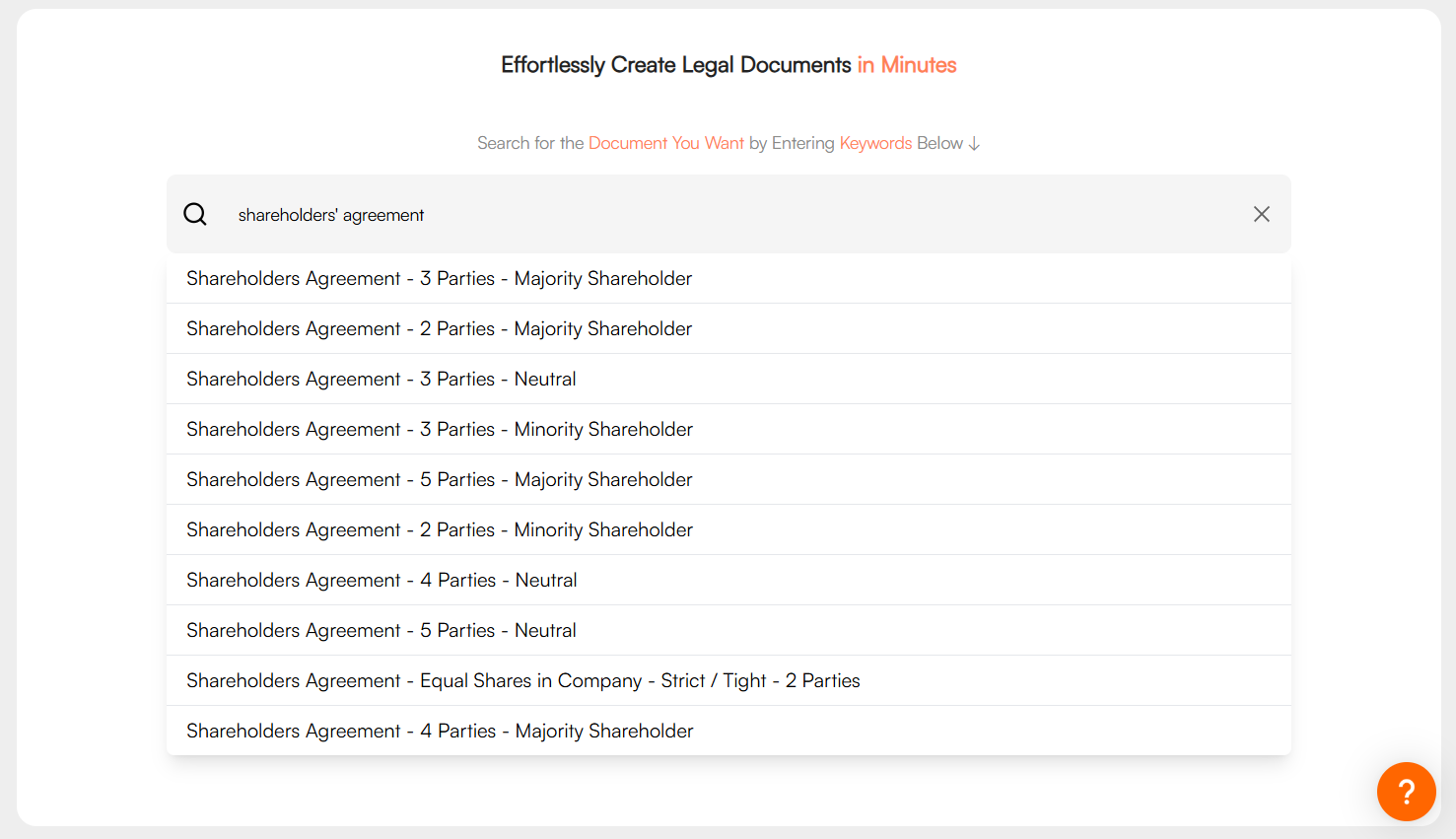
DocLegal.ai can propose a shareholders’ agreement tailored to founder‑friendly outcomes (vesting, good/bad leaver treatment, basic drag/tag), then highlight any conflicts between that agreement and your existing bylaws.
First 90 days of business launch: what is truly essential?
Think of the first 90 days as the “minimum viable governance + compliance” window: get the essentials in place, avoid fines, and be ready to onboard your first investors and key hires. Everything else is nice‑to‑have but can be sequenced to later milestones.
High‑priority formation and governance documents (Day 0–90)
These usually should not wait:
- Charter / Certificate of Incorporation or Articles of Organization (already filed to incorporate or form the LLC).
- Bylaws (corporation) or Operating Agreement (LLC) should be adopted as one of the very first actions by the board or members, contemporaneously with the filing of the formation documents. Delaying this creates a governance gap and is a red flag for investors..
- Initial board and shareholder actions: first board consent or minutes appointing officers, approving equity plan, authorizing bank account, confirming registered agent.
- Equity‑related docs: founder stock purchase/issuance docs, vesting schedules, option plan approval, 83(b) filing support where applicable.
All of these belong in your post‑incorporation checklist and in a simple “data room starter pack” folder structure that investors will recognize immediately. Use DocLegal.ai to:
- Generate initial resolutions, consents, and officer appointment docs from prompts describing your board and share structure.
- Review bank board resolutions, equity plan approvals, and founder share purchase agreements for missing clauses or inconsistent dates.
Important but can often wait (Day 90 onwards or tied to milestones)
- Shareholders’ agreement: often triggered by a priced round, adding external investors, or co‑founder departures.
- Advanced governance policies: board committee charters, information rights policies, more formal conflict‑of‑interest and related‑party transaction procedures.
- Expanded IP assignment and invention policies for broader teams once you go beyond a handful of founders and early employees.
Registered agent, foreign qualification, multi‑state compliance
Once your startup starts hiring remotely or selling across borders, state‑level compliance quickly becomes a real risk area. The core concepts are:
- Registered agent: a person or service with a physical address in a state who receives legal notices and official mail on behalf of your company.
- Foreign qualification: registering your existing company to do business in another state, which typically requires a Certificate of Authority and naming a registered agent there.
- Multi‑state compliance: staying current on each state’s annual reports, franchise taxes, and any industry‑specific filings, usually managed through your registered agent or a compliance platform.
From a documents perspective, every foreign qualification adds to your corporate records and should go into the same governance docs/data room structure: formation docs, foreign qualification filings, proof of good standing, and agent appointments.
Building a data room starter pack and being due‑diligence ready
Investors increasingly expect even pre‑seed companies to be “due‑diligence ready” with a clean, navigable folder of corporate records. A practical data room starter pack for your first 90 days and beyond might include:
- Formation documents: certificate/articles, bylaws or operating agreement, any amendments.
- Governance docs: initial and subsequent board and shareholder consents, registers of directors and shareholders/members, foreign qualification and registered agent records.
- Equity and founder docs: cap table, stock or unit issuance docs, vesting terms, option plan and grants, 83(b) support materials if applicable.
- Key contracts and policies: IP assignment agreements, key customer or vendor contracts, and any shareholders’ agreement once adopted.
DocLegal.ai can walk you through generating and reviewing every essential formation and governance document over your first 90 days.
Read more about Founders’ Guide with AI Templates.

How Startups Can Sell Safely Online: Terms of Service, Privacy Policies (With Templates)
Startups selling online need contracts, website policies that actually match how the product works and how data and money move through the business. Done well, this reduces disputes, protects IP and data, and makes you look credible to customers and investors.
Startups selling online need contracts, website policies that actually match how the product works and how data and money move through the business. Done well, this reduces disputes, protects IP and data, and makes you look credible to customers and investors.
Making online sales safe
When you sell online (SaaS, marketplace, e‑commerce), your Terms of Service, payment terms, and liability disclaimers are your first line of defence. They should clearly set the rules for using your product, how billing works, and what your startup is and is not responsible for if something goes wrong.
Key essentials to cover in your ToS if you sell online:
- What you provide: a plain-English description of your product or service and its limits (e.g., “analytics tool”, not “financial advice”).
- Use rules: acceptable and prohibited uses (e.g., no scrapers, no illegal content, no account sharing beyond plan limits).
- Accounts and termination: when you can suspend or terminate accounts, and what happens to user data on termination.
- Payments and refunds: pricing, billing cycles, auto-renewals, late/non-payment, refunds, chargebacks.
- IP ownership: who owns your software, brand, and any content users upload; what license you give them; and whether you can use anonymised data.
- Disclaimers and warranties: clear “no guarantees” language about uptime, accuracy, and results, plus any limited warranties you do offer.
- Limitation of liability: caps on damages (often tied to fees paid), and exclusions for indirect or consequential loss, subject to local law.
- Indemnity: when a user must cover your losses (e.g., if they use your product illegally or infringe others’ IP).
Common mistakes founders make:
- Copy‑pasting another startup’s ToS that assumes different payment flows, jurisdictions, or risk profile.
- No clear refund/chargeback policy, leading to disputes with customers and payment processors.
- Vague limitation of liability wording that courts may ignore or local law may restrict if it is too broad or unfair.
Use DocLegal.ai to create a customized ToS and review it to flag gaps in payments, disclaimers, and liability caps.
Terms of Service that match your product
A “generic” ToS rarely fits a real product, because each startup handles accounts, data, pricing, and third‑party tools differently. The goal is not to have a long document but to have one that mirrors your actual user journeys and risk areas.
To make your ToS match your product:
- Map your flows: list what users can do (sign up, upload data, invite teammates, integrate APIs, pay, cancel, export data) and ensure the ToS covers each step.
- Match your pricing model: subscription vs pay‑as‑you‑go vs marketplace fees need different billing, tax, and refund clauses.
- Reflect third‑party services: if you rely on cloud providers, payment gateways, or analytics tools, your ToS should reference that some parts of the service depend on third parties.
- Align with your Privacy Policy: if your ToS says one thing about data ownership and your Privacy Policy says another, regulators and users will notice.
DocLegal.ai can generate ToS drafts using a simple description of what you sell, how you charge, and which countries you serve.
Privacy Policies tied to real data flows
Privacy laws (GDPR, CCPA, and newer state laws) assume your Privacy Policy accurately describes what personal data you collect, why, where it goes, and how long you keep it. A template that does not reflect your actual data flows can be worse than no policy at all, because it is both misleading and non‑compliant.
Essentials your Privacy Policy should cover:
- What you collect: identifiers (email, IP, device IDs), usage analytics, payment details, support logs, etc.
- Why you collect it: account creation, billing, security, analytics, marketing, product improvement.
- Legal bases and user rights: consent vs legitimate interests (GDPR), and rights to access, delete, or opt out (GDPR/CCPA).
- Cookies and tracking: what tools you use (analytics, ads, session recording) and how users can manage preferences.
- Sharing and processors: which third‑party vendors process data for you (cloud hosting, email, CRM, payment) and under what safeguards.
- Retention and deletion: how long you keep data and your deletion or anonymisation practices.
- Security: high‑level safeguards to protect data (without revealing operational secrets).
Common founder mistakes:
- Saying “we do not share data with third parties” while using multiple SaaS tools that clearly process personal data.
- Copying a privacy policy that references laws or rights not relevant to your users or your jurisdiction.
- Not updating the policy after launching new features or integrations that change data flows.
DocLegal.ai can generate a Privacy Policy that tracks your actual systems, plus red‑flag any claims in your existing policy that do not match your current stack.
Read about The Importance of a Privacy Policy for Your Business in 2025.
EULA vs ToS: what your app needs
End User License Agreements (EULAs) focus on licensing software, while Terms of Service govern broader platform use, web features, and commercial terms. Many B2B SaaS founders need both: a license for the app and a ToS that covers accounts, pricing, and support.
For desktop or mobile apps, a EULA should typically address:
- License scope: type of license (non‑exclusive, non‑transferable), number of users/devices, territory, and any usage restrictions (reverse engineering, resale, etc.).
- Updates and changes: whether updates are mandatory, and whether they may change features or requirements.
- IP and ownership: you retain ownership of the software; users get a limited license.
- Warranties and disclaimers: “as is” use, limited warranties (if any), and exclusions for certain types of loss, subject to local consumer law.
- Limitation of liability and indemnity: caps on damages and when users must cover your losses (e.g., user misuse or IP infringement).
Common pitfalls in EULAs and app ToS:
- Not aligning app store terms (e.g., Apple/Google) with your own EULA, causing conflicts.
- License scope too vague, causing disputes when customers exceed seat or usage limits.
- No clear statement on open‑source components and their licenses, where relevant.
DocLegal.ai can generate both EULAs and ToS from one set of inputs, so your web, mobile, and API surfaces share consistent rules and license terms.
Templates vs lawyers vs policy generators
Founders generally balance three options: free templates, manual law‑firm drafting, and automated generators or reviewers. The right mix depends on your risk tolerance, budget, and complexity.
Typical trade‑offs:
- Free templates: good as a learning tool or for simple, low‑value arrangements, but often misaligned with your jurisdiction, regulatory scope, or business model.
- Traditional lawyers: best for complex fundraising, cross‑border deals, or regulated industries, but more expensive and slower, especially when you iterate policies often.
- Policy generators and contract tools: efficient for standardised documents (ToS, Privacy Policy) if they allow enough customisation and are updated for new laws and norms.
DocLegal.ai is designed to sit between raw templates and bespoke legal advice:
- Generate tailored ToS, Privacy Policies, and EULAs from structured questionnaires that reflect your product, data flows, and jurisdiction.
- Run “red flag” reviews on templates you already use, showing gaps in indemnity, limitation of liability, warranties, and confidentiality scopes before they become real risk.
- Export clean drafts for your local lawyer to fine‑tune, reducing time and cost while keeping you in control.
If you want your online contracts and policies to actually match your startup and not some generic template, feed your needs into DocLegal.ai today, then use the generated, product‑specific versions as your new baseline.

The Ultimate Guide to Fundraising Documents for Startups
Raising capital is one of the most pivotal milestones for any startup. For founders navigating the early stages of fundraising, understanding the nuances and key terms of a SAFE vs convertible note is critical, as missteps can lead to a messy cap table and future headaches during your priced round. This comprehensive guide will walk you through the essential fundraising documents, explain the mechanics of each funding round, and highlight the critical clauses and “gotchas” that every founder must grasp before signing a term sheet.
Raising capital is one of the most pivotal milestones for any startup. For founders navigating the early stages of fundraising, understanding the nuances and key terms of a SAFE vs convertible note is critical, as missteps can lead to a messy cap table and future headaches during your priced round. This comprehensive guide will walk you through the essential fundraising documents, explain the mechanics of each funding round, and highlight the critical clauses and “gotchas” that every founder must grasp before signing a term sheet.
Introduction to Fundraising Instruments
At the pre-seed and seed stages, startups often raise capital through convertible securities rather than priced equity rounds. The two most commonly used instruments are:
- SAFE (Simple Agreement for Future Equity)
- Convertible Notes
These instruments allow startups to raise funds quickly without having to determine a valuation immediately. However, while they serve similar functions, they differ significantly in structure, legal implications, and investor rights.
Read more about How SMEs can use AI to Draft Sponsorship Contracts
SAFE vs Convertible Note: Key Differences
Understanding the distinction between a SAFE vs convertible note is critical for founders. Here’s a breakdown of the most important differences:
1. Legal Structure
- SAFE: Not a debt instrument. It’s a contract that converts to equity under specific conditions.
- Convertible Note: A form of debt that accrues interest and has a maturity date.
2. Interest and Maturity
- Convertible Note:
- Typically includes interest (5–8% annually).
- Has a maturity date (usually 12–24 months), after which repayment or conversion is triggered.
- SAFE:
- No interest.
- Typically has no maturity date and remains outstanding until a conversion event. But investors may request a maturity date be added to a SAFE to create a timeline for a liquidity event.
3. Conversion Triggers
- SAFE: Converts upon a priced equity round or liquidity event.
- Convertible Note: Typically converts upon a qualified financing. At maturity, the investor may have the right to demand repayment, or the note may convert based on pre-negotiated terms.
4. Investor Protections
- Convertible Notes may include default provisions, giving investors more leverage.
- SAFEs are simpler and more founder-friendly but may lack certain investor protections.
5. Complexity and Legal Costs
- SAFE: Simpler, cheaper to draft, and faster to close.
- Convertible Note: More complex, potentially requiring more negotiation and legal review.
Important Clauses in Startup Fundraising Documents
Regardless of the instrument, certain clauses dramatically impact the startup’s future. Founders must understand these terms to avoid unpleasant surprises.
🔑 Key Clauses to Understand
1. Valuation Cap
The valuation cap sets the maximum valuation at which the instrument converts. It protects early investors from dilution if the company’s valuation skyrockets.
Pro Tip: A lower cap favors investors. Negotiate a fair cap based on traction, team, and market size
2. Interest Rate (Convertible Notes Only)
Convertible notes accrue interest, which can either convert into equity or be repaid. Typical rates range from 2% to 8%.
3. Maturity Date (Convertible Notes Only)
The maturity date is the deadline for conversion or repayment. If no priced round occurs before this date, the investor may demand repayment or force conversion.
4. Pro-Rata Rights
Pro-rata rights allow investors to maintain their ownership percentage in future rounds. These are especially important to institutional investors.
5. Triggered Conversion
Some instruments convert automatically upon certain events, such as:
- Qualified financing
- Acquisition
- IPO
Make sure you understand what triggers conversion and at what terms.
Term Sheet “Gotchas” First-Time Founders Must Understand
A term sheet is a non-binding agreement outlining the key terms of an investment. While it may seem straightforward, several provisions can significantly affect control, dilution, and future fundraising.
⚠️ Common “Gotcha” Provisions
- Liquidation Preference:
- Determines how proceeds are distributed in a sale or liquidation.
- A 1x non-participating preference is standard, but participating preferences can be punitive.
- Anti-dilution Protection:
- Protects investors from dilution in down rounds.
- Full ratchet vs. weighted average (the former is more aggressive).
- Board Control:
- Investors may request board seats, affecting governance and decision-making.
- Veto Rights / Protective Provisions:
- Allow investors to block certain corporate actions (e.g., selling the company, issuing new shares).
- Information Rights:
- Give investors access to financials, budgets, and other company data.
Read more about our Founders’ Guide with AI Templates
Series Funding Rounds Explained
Understanding how series funding rounds work is crucial for planning your startup’s capital strategy.
Seed Round
- Often raised via SAFE or convertible notes, which defer the formal valuation until the next round. However, the valuation cap serves as a key metric for dilution. Priced seed rounds with a formal valuation are also common.
- No formal valuation
- Documents: SAFE/Note, Cap Table, Investor Agreements
Series A
- First priced round
- Valuation negotiated
- Preferred shares issued
- Documents:
- Stock Purchase Agreement (SPA)
- Amended & Restated Certificate of Incorporation
- Investor Rights Agreement
- Voting Agreement
- Right of First Refusal and Co-Sale Agreement
- Diligence Checklist
Series B and Beyond
- Larger checks, institutional investors
- More complex governance
- Increased scrutiny on financials and IP
Use DocLegal.ai
Navigating the legal landscape of startup fundraising is no small feat. That’s where DocLegal.ai comes in.
Why Use DocLegal.ai?
- 🧠 AI-powered document generation & review
- 📄 Ready-to-use templates for startups
- 🔍 Clause analysis and risks detection
Whether you're drafting your first SAFE or negotiating a Series A term sheet, DocLegal.ai is your legal assistant.

How to Manage Documents & Templates for Startups: A Complete Legal Guide
Launching a startup is exhilarating, but amidst the hustle of product development and fundraising, legal documentation often becomes an afterthought. However, poor legal document management can lead to costly mistakes, compliance issues, and even litigation. This guide will walk you through how early-stage startups should organize, store, and track critical legal documents, how to safely use template libraries, and when to bring in legal counsel.
Launching a startup is exhilarating, but amidst the hustle of product development and fundraising, legal documentation often becomes an afterthought. However, poor legal document management can lead to costly mistakes, compliance issues, and even litigation. This guide will walk you through how early-stage startups should organize, store, and track critical legal documents, how to safely use template libraries, and when to bring in legal counsel.
Why does legal document management matter?
Startups operate in fast-paced environments where decisions are made quickly, often with limited resources. This makes having a robust legal document management system essential. Here's why:
- Compliance: Proper documentation ensures compliance with corporate, tax, and employment laws.
- Investor Readiness: Investors conduct due diligence. Missing or poorly organized documents can delay or derail funding.
- Risk Mitigation: Accurate contracts and agreements protect your IP, define responsibilities, and reduce liability.
- Efficiency: A centralized system saves time and reduces human error.
How should an early startup organize, store, and track legal documents so nothing falls through the cracks?
A well-structured digital filing system is the backbone of legal document management. Here’s how early-stage startups should approach it:
Categorize by Document Type
Use a consistent folder structure to separate documents by category:
- 🗂 Corporate Governance (e.g., bylaws, board resolutions)
- 📄 Employment & Contractor Agreements
- 💼 Intellectual Property (IP assignments, NDAs)
- 📊 Fundraising Documents (term sheets, SAFE notes)
- 🤝 Commercial Contracts (customer/vendor agreements)
Implement Naming Conventions
Use clear, date-stamped file names for easy retrieval. Example:
2024-01-15_Employment_Agreement_JohnDoe_Signed.pdf
Are free or low‑cost template libraries safe to use, and how should founders vet them?
Free or low-cost template libraries can be a lifesaver for bootstrapped startups—but only if used wisely.
✅ Pros
- Cost-effective
- Quick to implement
- Useful for standard agreements (e.g., NDAs, offer letters)
⚠️ Cons
- May not comply with your jurisdiction
- Often lack customization for specific business models
- Risk of outdated or incomplete clauses
🔍 How to Vet Templates
Before using a template, check:
- 🚩 Lawyer Involvement: Check whether the templates have actually been drafted or approved by lawyers.
- 📅 Last Updated: Ensure it's recent and reflects current laws
- 🌍 Jurisdiction Fit: U.S. templates may not apply in Canada or the EU
- 📜 Clause Coverage: Are key terms like indemnity, IP ownership, and termination included?
DocLegal.ai provides users with access to 2800+ lawyer-reviewed templates, across various jurisdictions and clauses that can be customized to your specific needs.

When is it okay to use a template, and when should a startup hire a lawyer to draft or review key documents?
Startups often walk a fine line between budget constraints and legal risk. While traditional legal counsel remains essential for complex matters, innovative tools like DocLegal.ai are transforming how early-stage companies manage legal documents.
📄 Use DocLegal.ai When:
In these cases, it's wise to run the document through a review tool like DocLegal.ai to flag risks or outdated clauses:
- Drafting simple, low-risk documents like:
- Standard NDAs
- Offer letters
- Basic consulting agreements
- You have internal legal knowledge and need speed over customization
DocLegal.ai is also especially useful when:
- You want to generate legally sound documents tailored to your jurisdiction and use case
- You need AI-powered clause analysis to spot red flags or missing provisions
- You’re reviewing third-party contracts and want instant insights before negotiating
- You want to save on legal fees without compromising on quality
DocLegal.ai bridges the gap between DIY templates and full-service law firms by offering:
- Smart document generation based on your inputs
- AI-driven risk detection and clause comparison
- Context-aware customization
⚖️ Hire a Lawyer When:
- Dealing with an especially complex point of law
- About to start a lengthy litigation or regulatory scrutiny process
- Navigating a wide-ranging multi-jurisdictional highly-specific contract
Even when working with legal counsel, DocLegal.ai can complement their work by preparing drafts and reducing billable hours.
Read more about how DocLegal.ai is used in modern law firms: The Power of a Legal Document Generator AI in Modern Law Firms.
How much do startup legal documents typically cost, and what affects price?
Legal fees vary widely based on complexity, geography, and the attorney’s experience.
💰 Typical Cost Ranges
🧾 Fixed-Fee vs. Hourly
Fixed-Fee: Predictable, good for standard documents
Hourly: Flexible, better for complex negotiations
Tip: Ask for a flat-rate package for early-stage legal needs.
Using DocLegal.ai, you can generate documents for as little as USD$10/month.



.jpg)